



A viral video on TikTok has reignited the debate over the pink tax in the fashion industry, highlighting a stark disparity in material quality between men’s and women’s knitwear. The controversy centers on Abercrombie & Fitch, where a fashion content creator noticed that identical price points yielded vastly different material compositions. A men’s jumper priced at $95 was made of 100% merino wool, while a women’s jumper at the same price contained only 30% wool.
The Abercrombie & Fitch Discrepancy
Rachael Brownfield, the creator behind the video, pointed out the oddity of a synthetic women’s garment costing the same as a pure wool men’s item. Although the styles differed, the brand marketed them together in a social media post. The video garnered nearly two million views and sparked thousands of comments, with many consumers questioning the fairness of the pricing structure. The Guardian reached out to Abercrombie & Fitch for comment regarding the specific items.
This incident is part of a broader pattern of gender-based price disparities. Women have long reported paying more for deodorant, razors, and dry-cleaning services. The knitwear gap, however, raises additional concerns about durability and material quality, not just sticker price.
Data Reveals a Material Gap
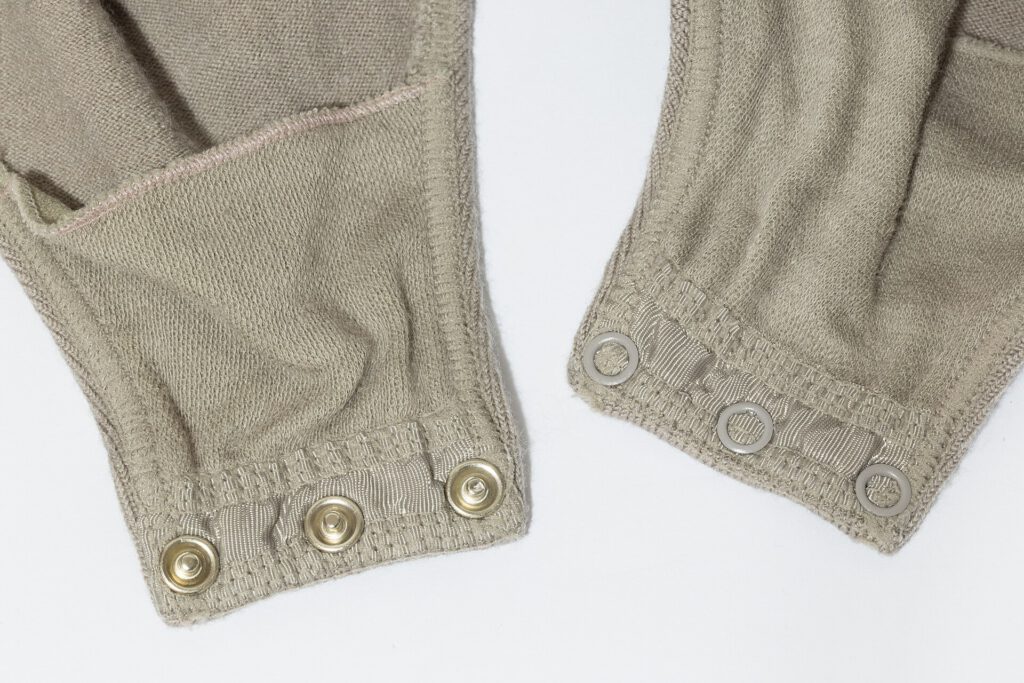
In response to the viral post, the data platform Style Analytics conducted a review of the full-price knitwear offerings on the US websites of six major fashion brands. The findings were striking. For jumpers priced under $100, men’s options were up to five times more likely to be made of 100% natural fibers, such as wool, cotton, or cashmere, compared to women’s options.
Molly Rooyakkers, founder of Style Analytics, described herself as “floored” by the results. Her analysis also showed that women’s jumpers in the under-$100 bracket were twice as likely to contain polyester. The data suggests that the material gap only begins to close when consumers spend $100 or more. While the study covered only a snapshot of six brands on a single day, it has fueled a wider conversation about why women’s clothing often relies more heavily on cheaper synthetic blends.
Fast Fashion and Production Costs
Industry experts point to several factors driving this trend. Roni Brunn, a fashion educator, notes that the rapid cycle of women’s fashion trends incentivizes the use of synthetics like elastane, nylon, and polyester. These materials are inexpensive and can add stretch or fluidity to garments. In contrast, men’s fashion tends to be more utilitarian and less subject to rapid trend changes, allowing brands to buy yarn in bulk and optimize production costs.
Aja Barber, a sustainable fashion writer, argues that the pressure to keep up with the trend cycle forces brands to cheapen women’s products. “Men have never been targeted by the trend cycle in the way women have, and the only way you can keep up with that churn is if you cheapen the product,” Barber said. She noted that her best-made clothing items are often menswear, citing better construction and fit for plus-size bodies.
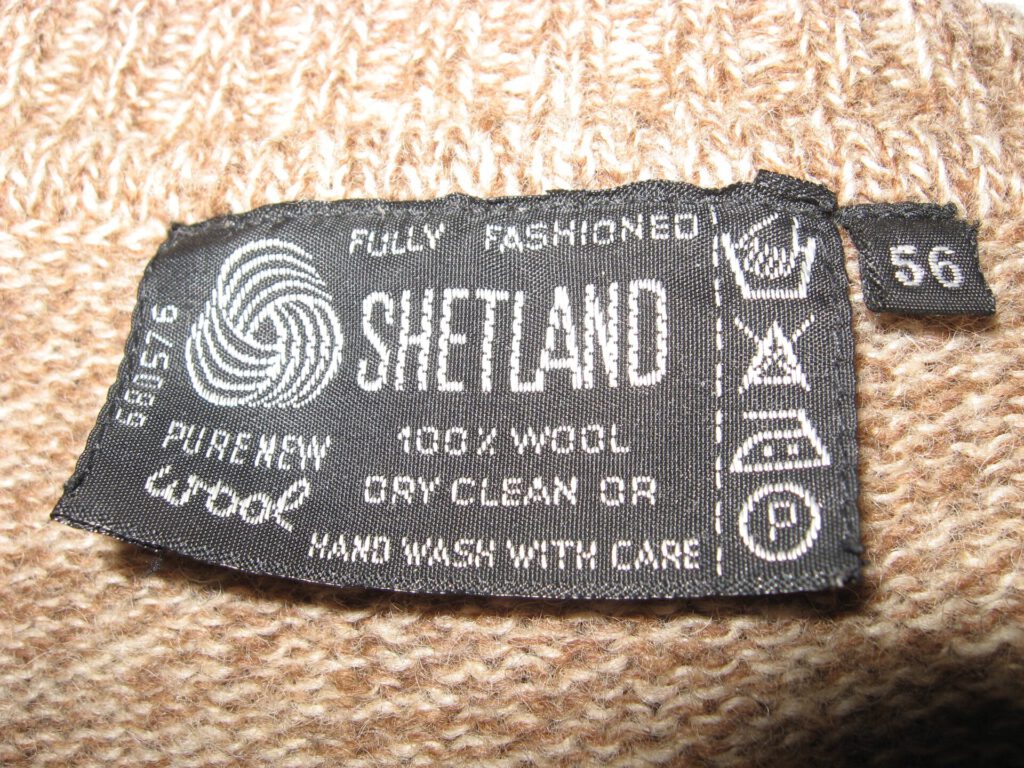
However, Brunn warns that simply switching to menswear is not a universal solution. Men’s cuts often do not accommodate different body shapes, particularly regarding hip size and sleeve length. She advises shoppers to understand the trade-offs between price, durability, and care requirements. The issue is further complicated by marketing terms like “wool blend,” which can contain as little as 15% wool, or ranges like Gap’s CashSoft, which uses cotton, nylon, and acrylic instead of cashmere.
As consumer confidence remains low in a tough economic climate, brands continue to look for ways to reduce costs. The debate over the pink tax in knitwear underscores the need for greater transparency in labeling and a reevaluation of how quality is marketed to different genders.
Source: The Guardian
