


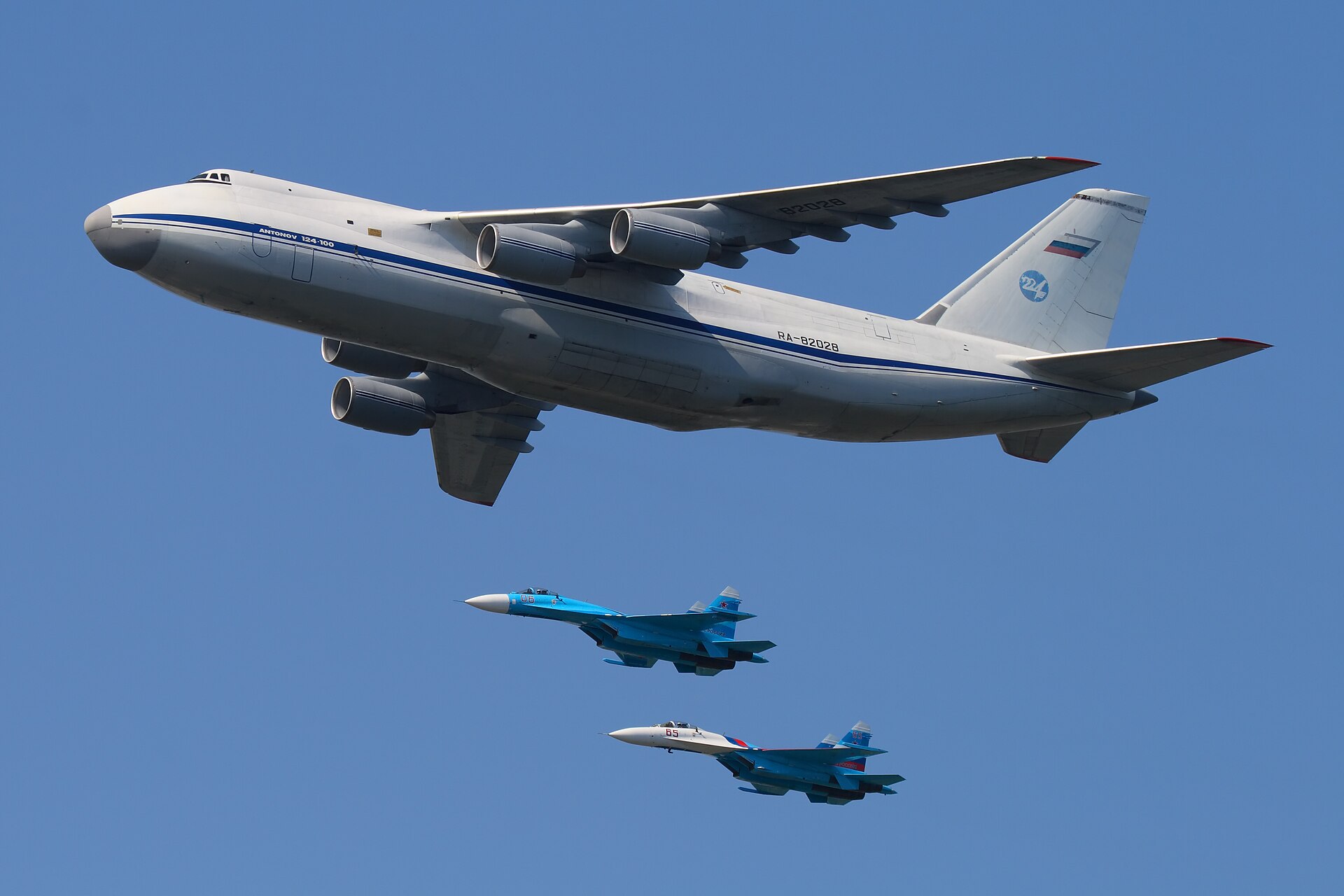
An Antonov Airlines An-124 cargo jet lost a part of its structure shortly after lifting off from Chubu Centrair International Airport in Nagoya, Japan, on November 10. The aircraft, registered as UR-82007, continued its flight to Clark International Airport in the Philippines, where it landed safely approximately five hours later. The incident has resulted in the aircraft remaining grounded at its destination.
Video footage and social media reports from the scene showed debris falling to the ground as the quadjet climbed. While some online observers identified the falling object as a section of the fuselage, these claims have not been independently verified. The flight, identified as ADB357F, departed for the Philippines without further incident, though the event caused a temporary disruption at the Japanese airport.
Runway Closure and Safety Concerns
The presence of foreign object debris on the runway necessitated a 50-minute closure of runway 18/36 at Chubu Centrair Airport. The 3,500-meter (11,483-foot) runway was shut down to allow ground crews to clear the area. Safety experts note that debris left on runways poses significant risks to other aircraft, a danger historically illustrated by incidents such as the 2000 crash of Air France Flight 4590 in Paris.
Chubu Centrair International Airport, which is built on an artificial island, has now experienced two notable incidents involving Antonov Airlines cargo jets within a single month. The November 10 event follows an incident on October 22, when another An-124, registered as UR-82029, caught fire upon landing in Nagoya.
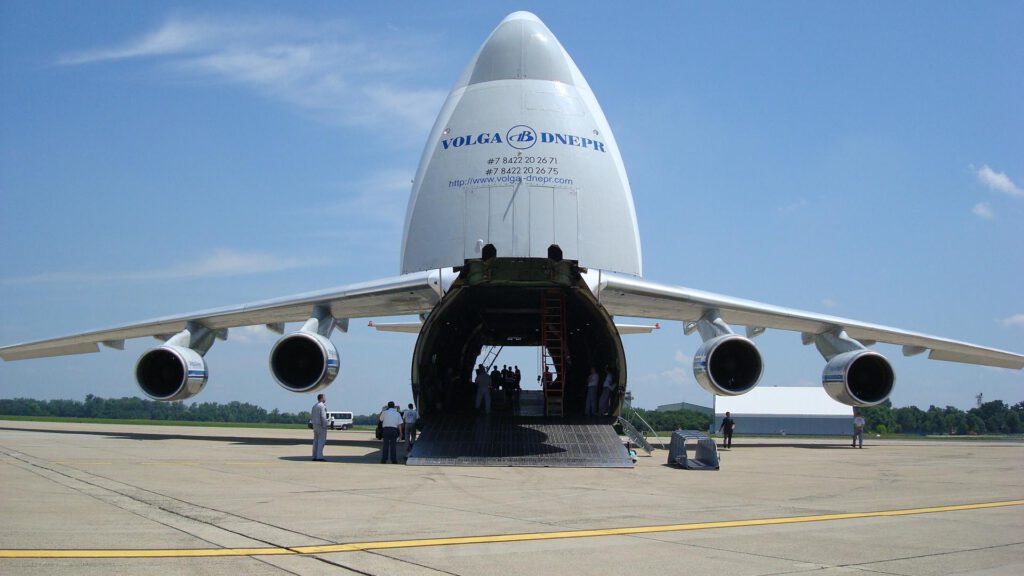
Recent History at Nagoya Airport
The October incident involved the auxiliary power unit (APU) of aircraft UR-82029. The APU is a component that provides energy for systems independent of the main engines, such as cockpit avionics and lighting. According to reports, the fire was extinguished quickly, and the aircraft, which had arrived from Fairbanks International Airport in Alaska, was able to return to service the following day. Airport operations resumed after a brief 15-minute closure.
Antonov Airlines currently operates a fleet of six An-124 aircraft. These jets are aging, with an average age of 36.3 years. The aircraft involved in the November incident, UR-82007, is the oldest in the active fleet at 40.4 years old. It bears the name “Be brave like Mykolaiv.” The aircraft from the October fire, UR-82029, is 35.4 years old and is named “Be brave like Bucha.” The airline has based its operations out of Leipzig/Halle Airport in Germany since the invasion of Ukraine in 2022.
Antonov Airlines is well-known for operating the An-225 Mriya, the world’s largest aircraft, until it was destroyed during the conflict in Ukraine. The airline has also historically operated An-140 aircraft. Simple Flying has contacted Antonov Airlines for further details regarding the November 10 incident. The airline has not yet issued a public statement confirming the nature of the lost component or the cause of the event.
Source: Simple Flying
