


United Airlines has reached a significant milestone in its effort to modernize passenger experience, announcing that Starlink satellite internet is now available on more than half of its daily flights. The carrier confirmed on November 12 that it is accelerating its deployment of SpaceX’s low-Earth-orbit technology, aiming to equip its entire fleet by the end of 2027.
This progress places United ahead of key rivals in the race for high-speed in-flight connectivity. While American Airlines and Southwest Airlines are also installing Starlink systems, United’s current coverage gives it a distinct advantage in attracting tech-savvy travelers. Meanwhile, Delta Air Lines has opted for a different strategy, selecting Amazon’s emerging Leo satellite network for its initial rollout.
United Fleet Expansion and Coverage Gaps
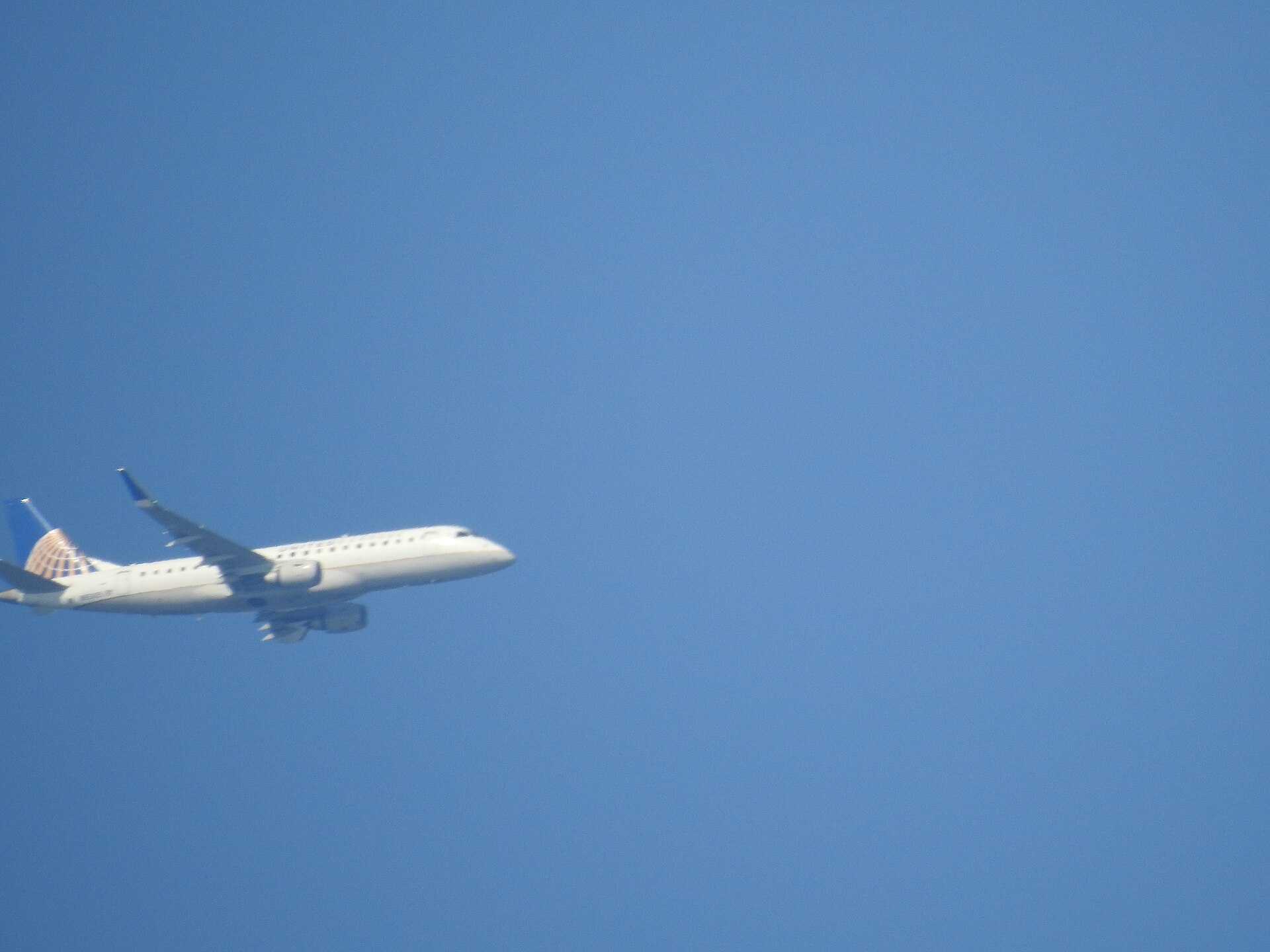
United’s journey with Starlink began in May 2025 with a United Express Embraer E175. The first mainline aircraft, a Boeing 737-800, entered commercial service in October last year. According to the airline’s official installation tracker, 697 aircraft are now equipped with the technology. This represents 46% of United’s total fleet but accounts for 51% of its daily flights.
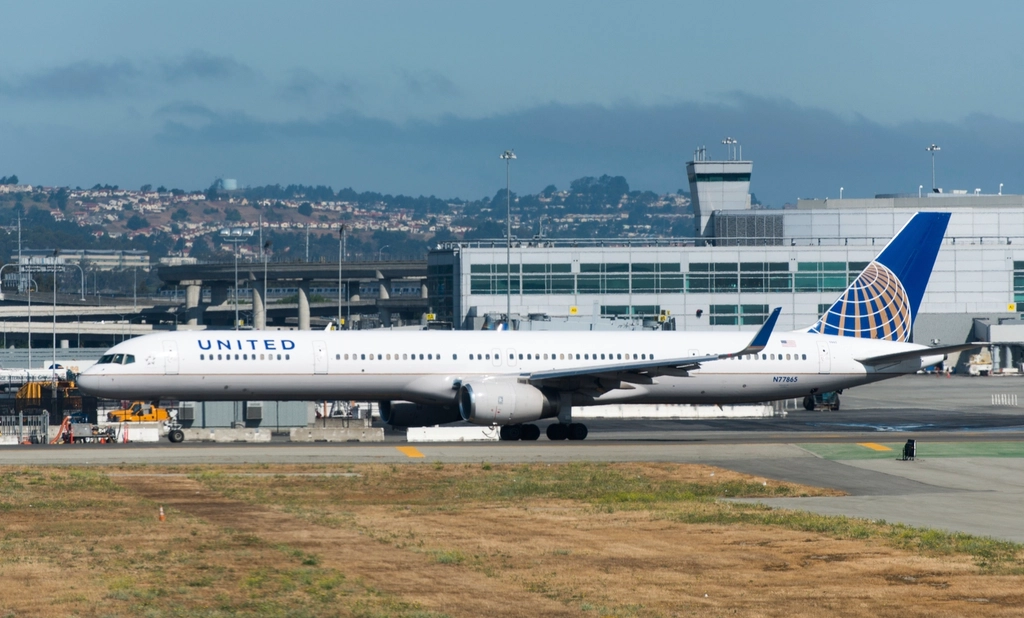
The disparity between fleet percentage and daily flight coverage is driven by the high frequency of regional aircraft operations. United has completed installations across its tracked regional jet types, and coverage of its Airbus A321 fleet is approaching 90%. However, the long-haul segment remains largely unconnected. Only seven Boeing 777s and 787s have been retrofitted, with no Boeing 767s completed. This leaves a significant gap in service for international passengers compared to those on domestic routes.
United expects Starlink to cover nearly 64% of daily flights by the end of 2026. The airline is installing equipment on approximately 20 aircraft per week. CEO Scott Kirby highlighted the commercial impact of this rollout in an October earnings announcement, stating that the airline is winning new long-term, brand-loyal customers who try the service and stay for the overall product.
Delta Chooses Amazon Leo Over Starlink
While United pushes forward with SpaceX, Delta Air Lines has taken a divergent path. In March, Delta announced a partnership with Amazon to use the Leo satellite network for connectivity on an initial 500 aircraft. Installations are scheduled to begin in 2028. This decision builds on Delta’s existing relationship with Amazon Web Services and promises deeper integration between satellite connectivity, Delta Sync, and personalized in-flight entertainment.
The two satellite providers are at vastly different stages of development. SpaceX has launched more than 11,100 Starlink satellites, providing extensive global coverage. In contrast, Amazon has launched approximately 400 satellites as of early November. Delta is betting on the potential for a more digitally connected experience through AWS integration, but it risks trailing competitors in physical availability. United’s fleetwide completion is expected by the end of 2027, meaning Delta passengers may not see next-generation satellite internet until after United has already established it as a standard.
Competitive Landscape and Customer Strategy
United’s head start is evident in its hub coverage. Chicago leads with 70% of departures offering Starlink, followed by Denver at 63%. San Francisco trails at 39%, reflecting the mix of regional jets and widebodies operating from each location. The airline allows customers to check individual flight availability up to three days before departure, turning installation progress into a visible marketing tool.
United is actively using this technological edge to poach frequent flyers from competitors. An October campaign titled ‘Switch to Better’ Wi-Fi targeted eligible Delta SkyMiles and American AAdvantage members with Premier status-match opportunities. Applications surged 275% compared to pre-campaign levels, with strong participation from New York, Los Angeles, and San Francisco. This strategy aims to convert the immediate benefit of faster internet into lasting customer loyalty.
Competitors are not standing still. American Airlines plans to equip more than 1,000 mainline aircraft, starting in early 2027. Southwest Airlines began operating Starlink-equipped aircraft in June and reported 47 installations by October, targeting fleetwide completion by fall 2027. If Southwest maintains its current pace, it could potentially finish its rollout ahead of United, despite starting later.
United continues to install equipment on approximately 20 aircraft weekly as it races to meet its 2027 deadline, keeping the pressure on rivals to accelerate their own connectivity upgrades.
Source: Simple Flying
