


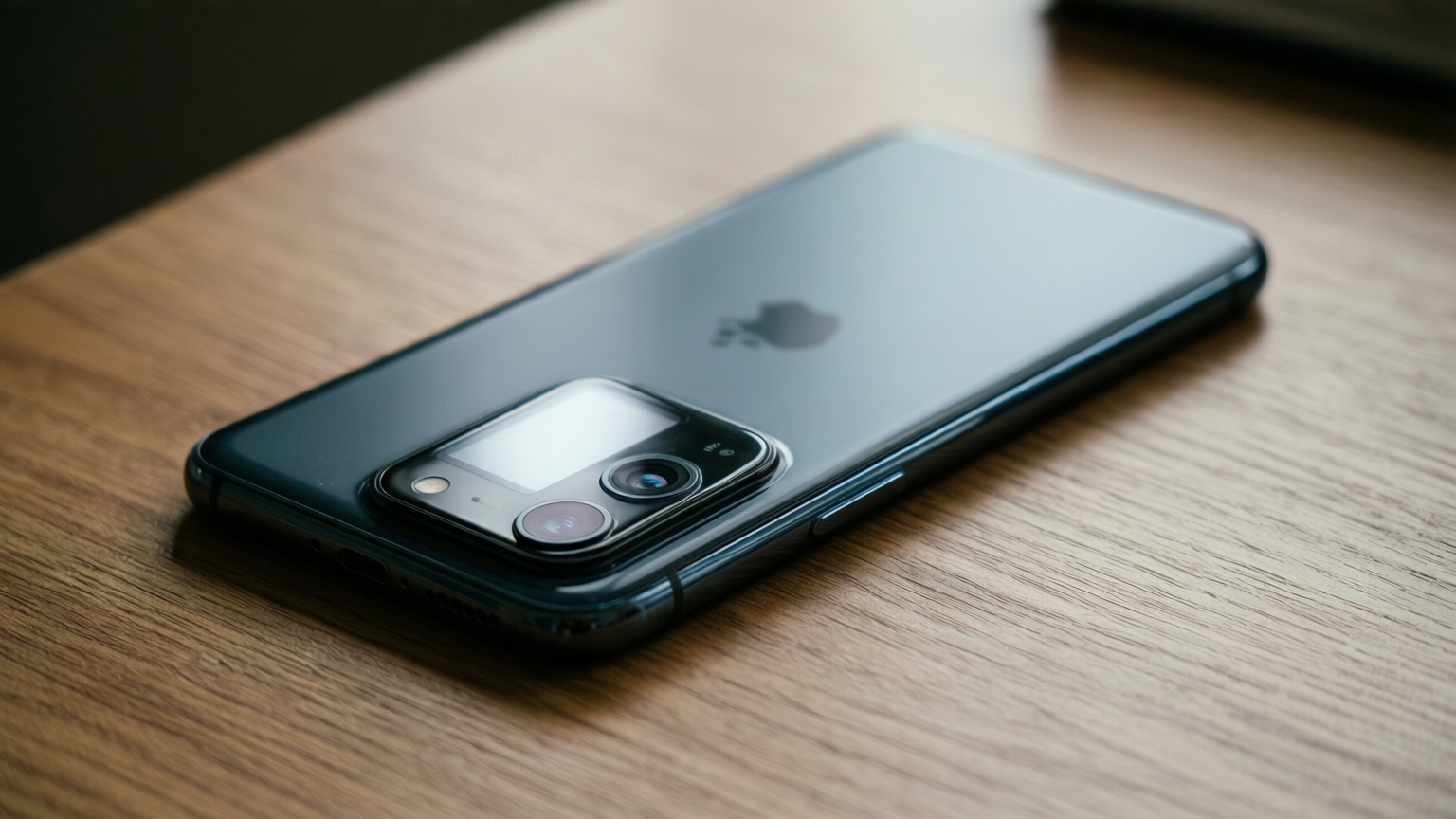
Xiaomi has confirmed that the upcoming Xiaomi 18 Pro will feature a functional rear display capable of running major third-party applications. The company announced on X that Google Maps, Spotify, and YouTube Music will be supported on the secondary screen, marking a significant shift in how smartphone manufacturers utilize back-facing displays.
Practical Utility for the Rear Display
The inclusion of navigation and music streaming apps addresses a common criticism of secondary smartphone screens. Previously, these displays were largely limited to showing notifications or the time. By integrating Google Maps, users can view directions while the phone rests face down on a desk or in a pocket. This setup allows for hands-free navigation without the need to constantly flip the device over to check the main screen.
Similarly, support for Spotify and YouTube Music enables users to control playback and view track information without unlocking the primary display. This functionality is particularly useful for individuals who keep their phones face down in professional settings or while driving. The rear screen acts as a dedicated control panel for media and navigation, reducing screen time on the main display.
Generative AI App Creation
Beyond established apps, Xiaomi is introducing generative AI tools to the Xiaomi 18 Pro. The company demonstrated how users can create simple applications by describing their requirements in natural language. This feature allows for the rapid development of custom tools tailored to specific needs.
For example, a user learning a new language could generate a vocabulary application and run it directly on the rear display. This capability transforms the secondary screen from a passive information hub into an active workspace for lightweight tasks. The AI-driven development process lowers the barrier for creating personalized software, allowing users to build tools without coding knowledge.
The integration of these features suggests that Xiaomi views the rear display as a core component of the user experience rather than a novelty. By supporting both mainstream applications and custom AI-generated tools, the company aims to provide consistent utility throughout the day. The success of this approach will depend on how effectively the small screen handles these diverse functions.
The Xiaomi 18 Pro and 18 Pro Max are expected to launch globally this year. This marks a departure from the Xiaomi 17 Pro series, which featured a similar rear display but was restricted to the Chinese market. The global release of the 18 Pro series indicates that Xiaomi believes the rear screen functionality has reached a level of maturity suitable for international consumers.
Source: Android Authority
