


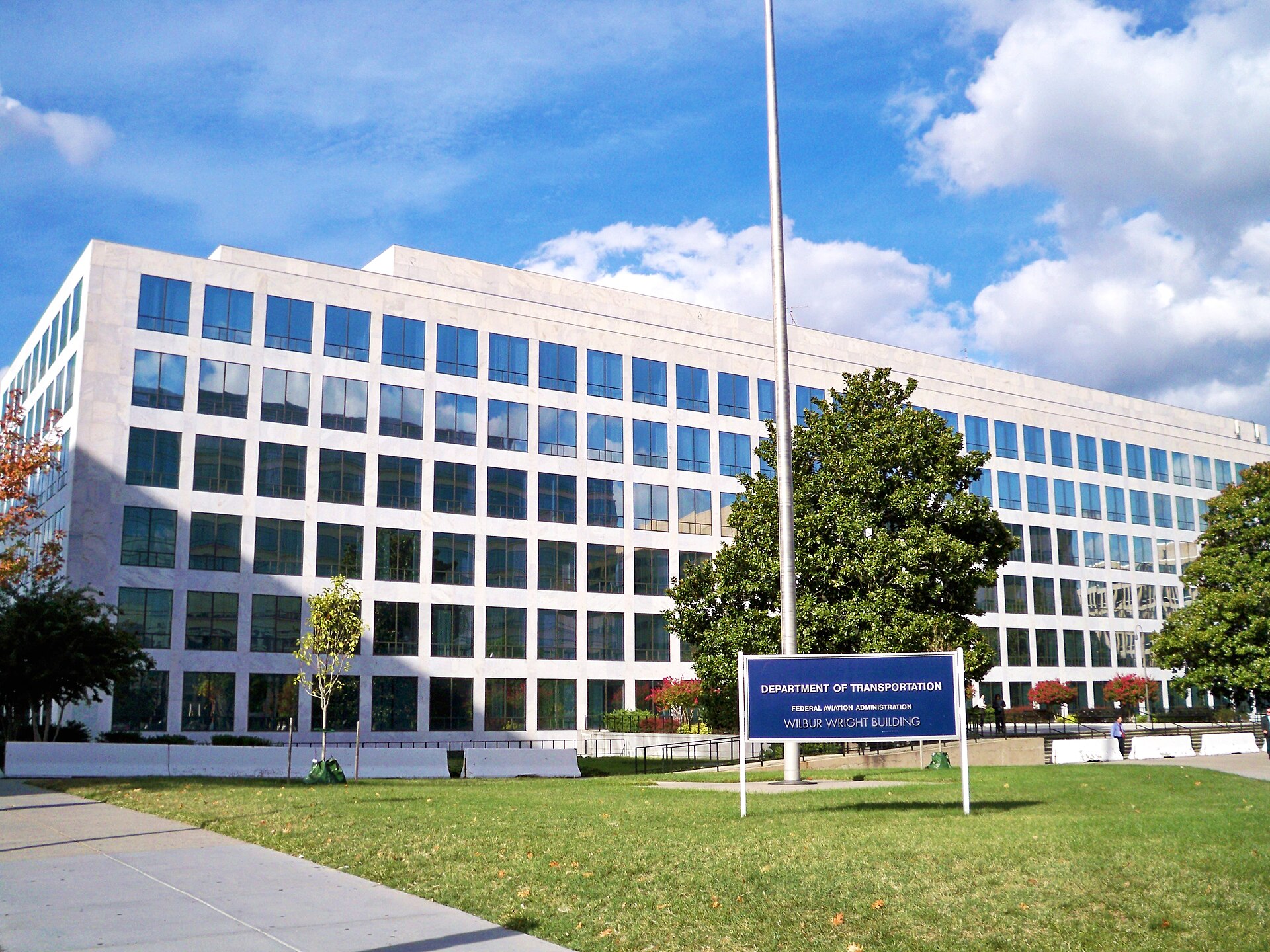
The Federal Aviation Administration is expanding the use of an artificial intelligence tool to manage air traffic across the entire United States. The agency announced on November 10 that the system, known as SMART, will now cover all 22 air route traffic control centers in the country. This move follows a successful initial deployment in the Washington, DC area that began in September.
SMART System Nationwide Deployment
The $875 million SMART system is designed to help controllers handle congestion by analyzing weather patterns, flight paths, and staffing metrics. The FAA states that the tool has already rerouted 180 flights since its launch in the National Capital Region. According to agency data, these reroutes saved an average of 10 minutes per flight and nearly 80 gallons of fuel. The agency hopes to replicate these efficiency gains on a national scale.
“After a successful initial rollout to the National Capital Region in September, the FAA will now use SMART in the airspace of all 22 centers across the country to reduce delays, reduce fuel consumption and improve the travel experience for the flying public,” the FAA said in a statement. The system operates in the cloud and provides scheduling recommendations, identifies optimal routes, and determines the best order for aircraft arrivals.
While the system provides data-driven suggestions, it does not take direct control of aircraft. A human team of FAA specialists in Washington, DC, validates the recommendations before they are sent to local facilities. Local air traffic controllers retain the authority to accept or reject the advice provided by the AI tool.
Union Exclusion and Industry Support
The expansion has drawn mixed reactions from stakeholders. Airline executives have publicly supported the technology. Delta Air Lines CEO Ed Bastian and American Airlines CEO Robert Isom both issued statements praising the initial rollout. The Dallas Morning News reported that the FAA shared an example of the system recommending a faster route for a cargo flight arriving at Dallas-Fort Worth International Airport.
However, the National Air Traffic Controllers Association, which represents more than 15,000 members, has criticized the process. The union told Flying magazine that it was not involved in the design, testing, or implementation of the SMART system. Consequently, the union stated it cannot speak to the tool’s effect on the air traffic control workforce.
The FAA previously clarified that the AI cannot replace the critical role of air traffic controllers. The agency emphasized that the technology is an advisory tool meant to assist human operators rather than automate their jobs. Despite these assurances, the lack of consultation with the union remains a point of contention as the system moves into broader use.
The FAA has not yet provided specific details on how the system will assist passenger flight traffic beyond the cargo example. Ars Technica has previously reported on the development of the SMART system and the ongoing challenges facing the agency, including a shortage of air traffic controllers.
Source: Ars Technica
