


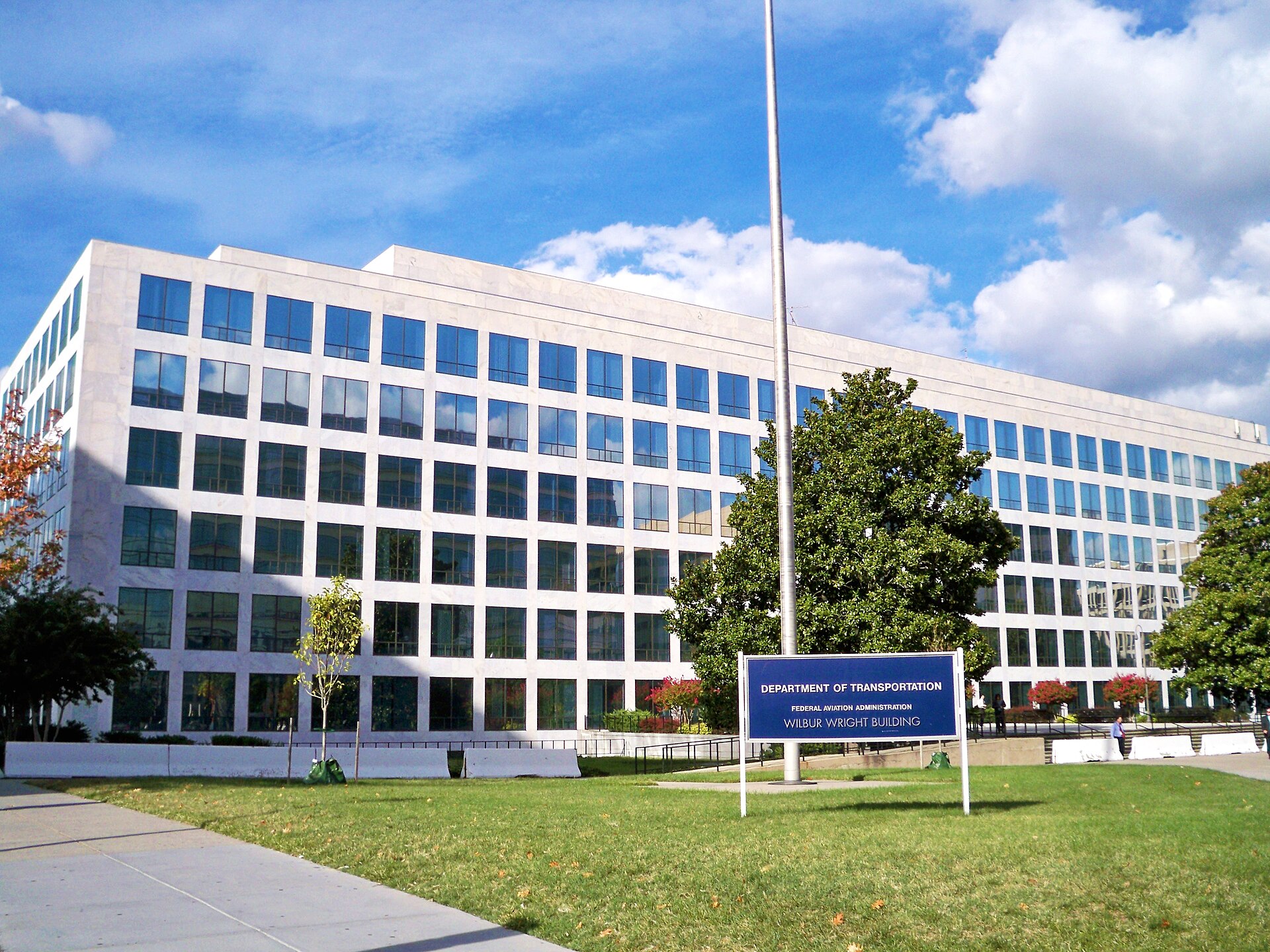
The Federal Aviation Administration lifted a nationwide ground stop on Friday afternoon, ending a disruption that kept planes on the ground across the United States for more than four hours. The halt began at 3:44 PM ET when the agency issued the order due to “extraordinary circumstances and for reasons of safety,” according to the FAA. While aircraft already in the air were permitted to land, no new takeoffs were allowed until the issue was resolved.
Telecom Outage Causes Nationwide Delays
Officials identified the root cause as a temporary telecommunications outage. The FAA stated in a tweet shortly after 5 PM ET that the disruption was technical rather than security-related. “There has been a temporary telecommunications outage – out of an abundance of caution all flights have been halted,” the agency said. Transportation Secretary Ryan Duffy confirmed during a press conference that the issue stemmed from aging infrastructure within the air traffic control system.
Duffy explained that the Terminal Radar Approach Control (TRACON) systems experienced data inconsistencies. He noted that analog telecom devices, specifically switches and routers, became overloaded with data, leading to errors in radar and communication signals. An earlier report from CBS News cited sources indicating that a software update to the private communications network operated by L3Harris triggered a system reboot, which precipitated the outage. L3Harris has not yet responded to requests for comment regarding the incident.
The disruption spread rapidly across major air traffic control centers. Reports indicate the problem originated at the Chicago center before affecting facilities in Boston, Washington, New York, and Minneapolis. The outage disrupted both radar and radio frequencies used by controllers and pilots, forcing the FAA to ground flights traveling eastward. Flight tracking data showed significant impacts, with over 9,000 flights delayed and nearly 6,000 canceled by the time the ground stop was lifted at 8:15 PM ET.
Investigation Into System Connections
Homeland Security Secretary Markwayne Mullin addressed reporters at the White House, stating there was no immediate evidence of a cyberattack or national security threat. He also ruled out any connection to the recent Microsoft Outlook outage, though he acknowledged that the full cause had not been definitively determined. Mullin confirmed that investigators were examining whether the disruption was linked to the Strategic Management of Airspace, Routes and Trajectories (SMART) system.
The SMART system, a cloud-based AI tool designed to manage airspace, was activated nationwide on November 10th. Air Space Intelligence (ASI), the contractor behind the system, denied any involvement. ASI posted on social media that the ground stop was not based on or a result of the SMART system or any of its products. The company was awarded a 12-year, $875 million contract in June to deploy the technology across the FAA.
The last time the FAA issued a similar nationwide ground stop was in 2023, following a 90-minute outage of the NOTAM system. Prior to that, the only other instance occurred after the September 11 attacks in 2001. As flights resume, airports face the challenge of managing a backlog of delayed crews and overloaded terminals, meaning many travelers will experience further delays or cancellations in the coming days.
Source: The Verge
