


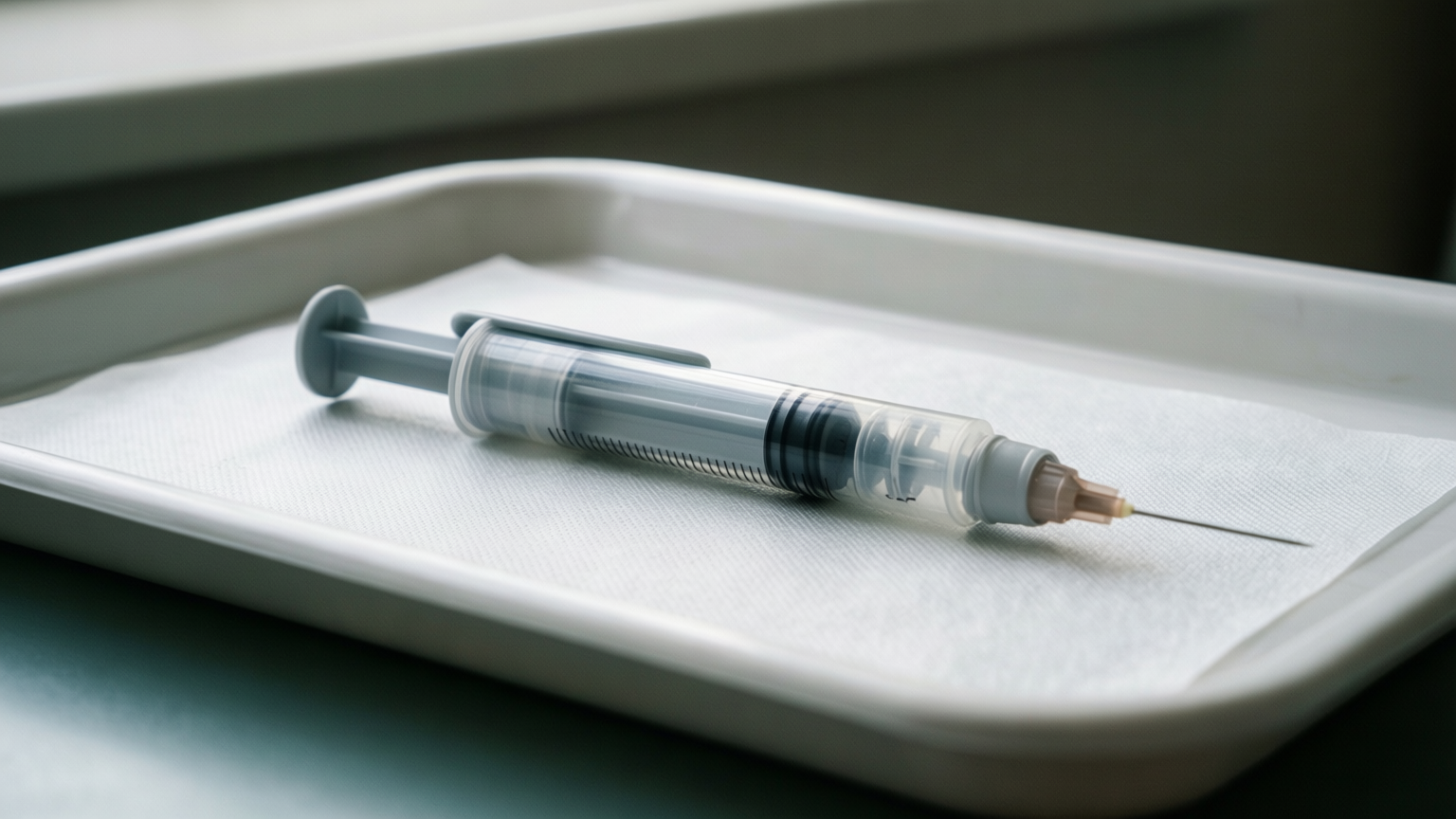
Figures obtained by The Guardian show that 419 prescriptions for GLP-1 medications were issued to children under the age of 18 in England during the financial year 2025-26. Among these prescriptions, 10 were for children younger than 12 years old.
The data, sourced from the NHS Business Services Authority, indicates a continuing trend of off-label use for weight management. In the first four months of the current year alone, from April to July, 341 prescriptions were issued to children, with 15 of those going to patients under the age of 12.
Prescription trends and data limitations
GLP-1 medications, such as Wegovy and Mounjaro, were originally developed to help people with type 2 diabetes control their blood sugar levels. They have since become widely known as slimming aids, with social media filled with accounts of adult weight loss.
The figures released relate to prescriptions in England that were dispensed in a community setting anywhere in the UK. However, these numbers likely represent a significant underestimate. The data does not include prescriptions issued privately, those dispensed in prisons, or medications provided through hospital pharmacies.
One private clinic for children previously reported having more than 200 patients receiving these injections. It remains unclear whether all GLP-1 prescriptions for children are primarily for weight loss, as the drugs can also treat underlying metabolic conditions.
Expert calls for specialist supervision
Medical experts emphasize that children taking these drugs require long-term lifestyle changes and careful monitoring. Martin Whyte, a professor of metabolic medicine at the University of Surrey, noted that while the number of prescriptions is small relative to the scale of childhood obesity, the approach must be rigorous.
“The important thing is that children who start them do so within specialist services, with support for diet, growth and wellbeing, and a plan for the long term,” Whyte said. He highlighted the need for regular monitoring of growth, puberty, nutritional intake, mental health, and side effects.
Whyte added that this supervision is critical because weight tends to return when the drugs are stopped. He also pointed out that there is still limited data on the use of these medications over many years in growing young people.
Context of rising obesity rates
The rise in prescriptions comes as childhood obesity levels continue to increase. Data from the National Child Measurement Programme shows that 10.7% of reception-year children, aged 4 and 5, are obese. This figure rises to 22.8% for children in year 6, aged 10 and 11.
According to the World Health Organization, 400 million children and adolescents aged between 5 and 19 were overweight in 2024, including 170 million living with obesity.
In response to these challenges, the NHS began piloting Complications from Excess Weight (CEW) clinics in 2021. These clinics target children aged 2 to 16 with severe obesity. NHS England revealed in May that almost 6,500 children have been referred to such clinics, including more than 400 younger than four.
Dr Dunia Ismail, a consultant paediatrician running a CEW clinic, stated that experts are now looking at widening the use of GLP-1s in these settings. “We have been sticking to 12 [years], although now we are looking at expanding that to eight-plus once licence-approved,” she said.
Julian Hamilton-Shield, a professor at the Bristol Complications CEW clinic, explained that children typically receive semaglutide only after standard dietary and psychological support has failed. He noted that these patients often have secondary comorbidities such as type 2 diabetes, obstructive sleep apnoea, or liver disease.
“These children and young people are from very complex backgrounds, have enormous lack of self-esteem… And when you actually give them a drug that helps them to lose maybe 25, 30kg, [it is] the first time they feel they have any agency in their lives at all,” Hamilton-Shield said.
Ismail stressed that obesity is a condition, not a choice. “We’re giving them GLP-1s because there is nothing else you can do at this stage. Otherwise, they will die young, they will have heart disease, they will have diabetes,” she said.
Source: The Guardian
