


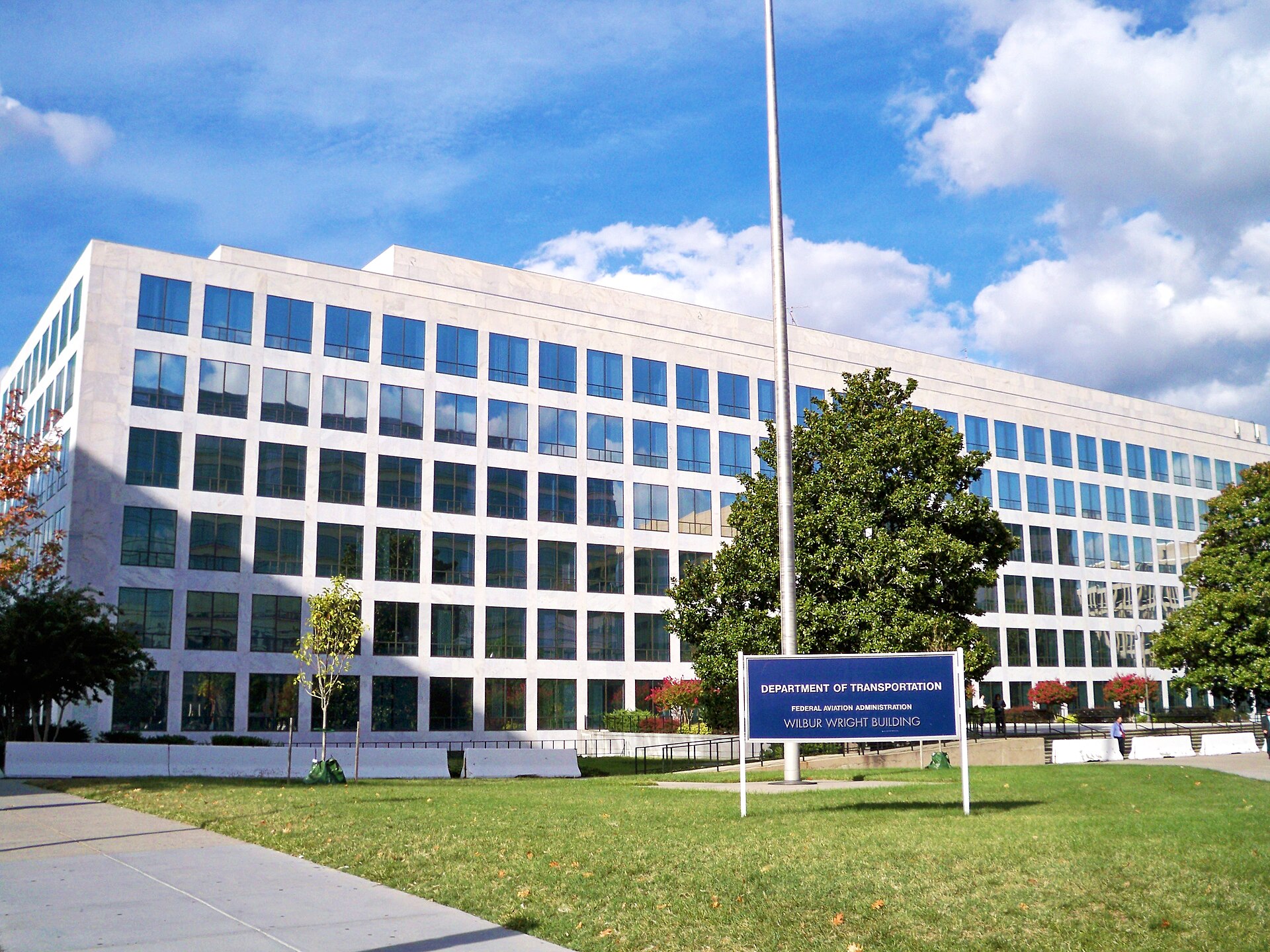
The White House is pressing Congress to approve an additional $30.1 billion for aviation infrastructure upgrades, citing urgent safety needs and aging equipment. Transportation Secretary Sean Duffy and Office of Management and Budget Director Russell Vought sent a letter to congressional leaders on November 13, requesting swift action. The administration aims to secure the funding before Democrats assume control of Congress on January 3, 2027.
Urgency Amid Operational Disruptions
The push for additional funding coincides with significant operational challenges within the Federal Aviation Administration. On November 13, the FAA ordered a nationwide ground stop, instructing departing aircraft to remain on the ground due to extraordinary circumstances and safety concerns. While the specific cause of this disruption remains unconfirmed, it follows a major air traffic control meltdown in September that grounded flights across the Northeast.
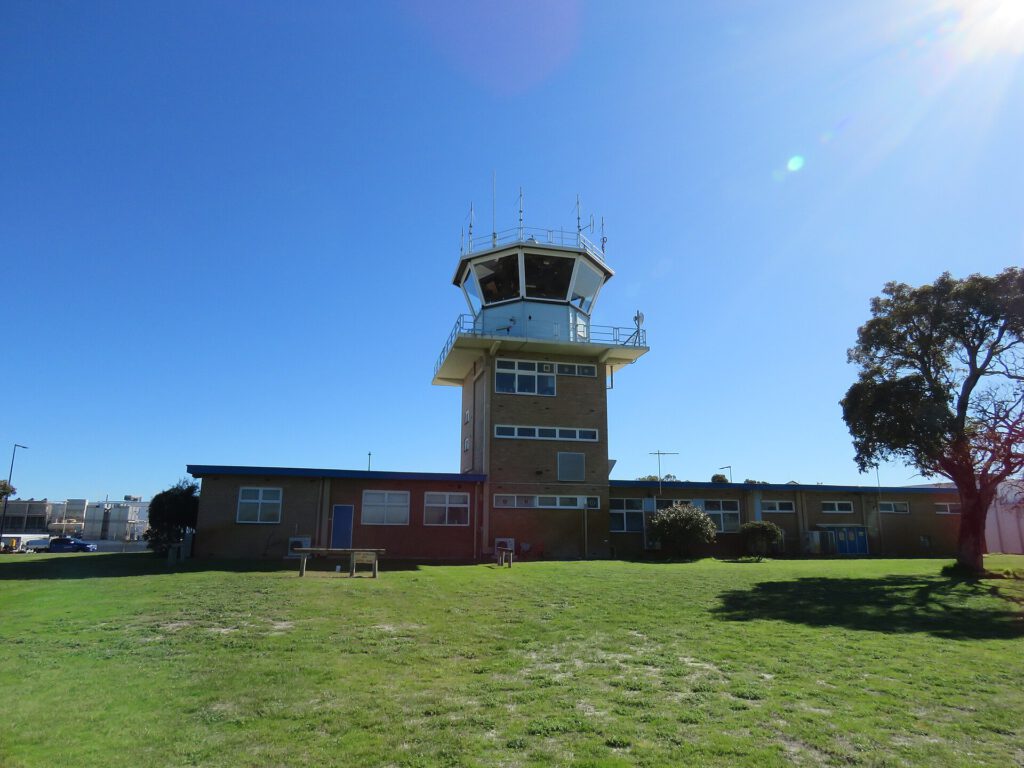
That September incident was triggered by simultaneous telecommunications failures, including a severed fiber-optic cable in New Jersey and a circuit failure in Philadelphia. The administration argues that the proposed investment is critical to preventing such widespread disruptions in the future. “This investment is critical to complete the modernization of our national airspace,” Duffy and Vought wrote in their letter.
Funding Breakdown and Modernization Goals
The requested $30.1 billion would bring total federal aviation modernization funding to approximately $42.6 billion, including $12.5 billion previously approved by Congress in 2025. The new allocation differs from earlier efforts by directing substantial resources toward airport infrastructure. Of the $30.1 billion, $18 billion is designated for airport upgrades, including $10 billion to modernize or replace aging terminals.
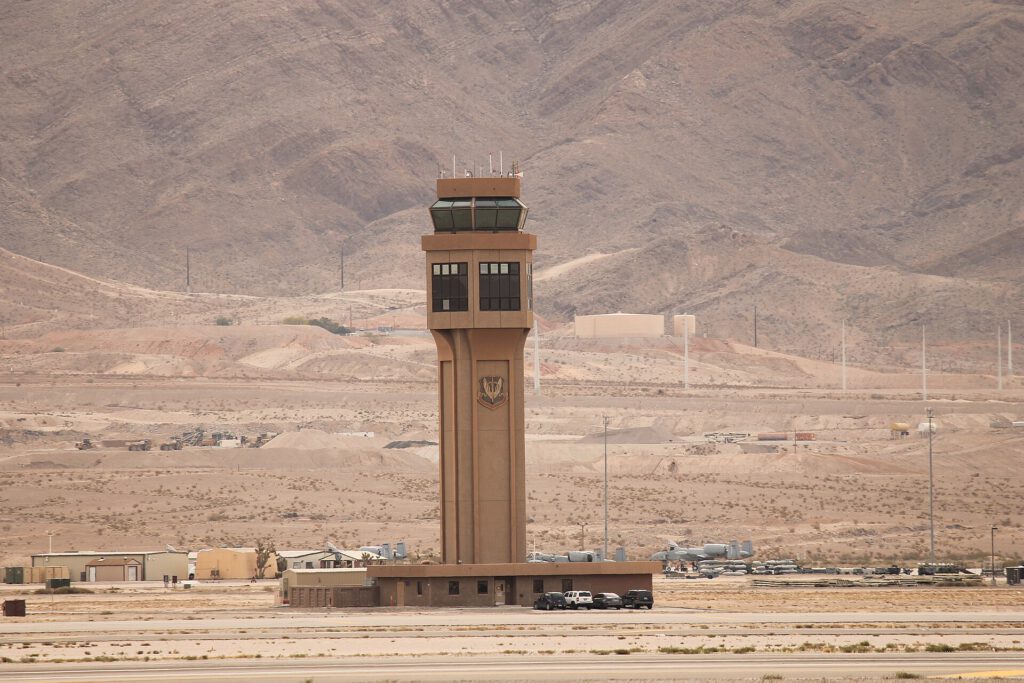
The remaining funds would accelerate upgrades to air traffic control workstations, automation platforms, and telecommunications networks. Officials state that current appropriations are insufficient to complete these necessary improvements. The administration first requested this additional funding in September, shortly after the Northeast disruption, and the November letter represents a renewed effort to advance the legislation.
Senator Eric Schmitt introduced the Modern Skies Act on September 28 to support these goals, with backing from major airlines and aviation industry organizations. The FAA has already begun replacing its legacy copper telecommunications network with high-speed fiber infrastructure, having completed 68% of the transition. However, some facilities still rely on outdated technology, with replacement components reportedly sourced through auction websites.
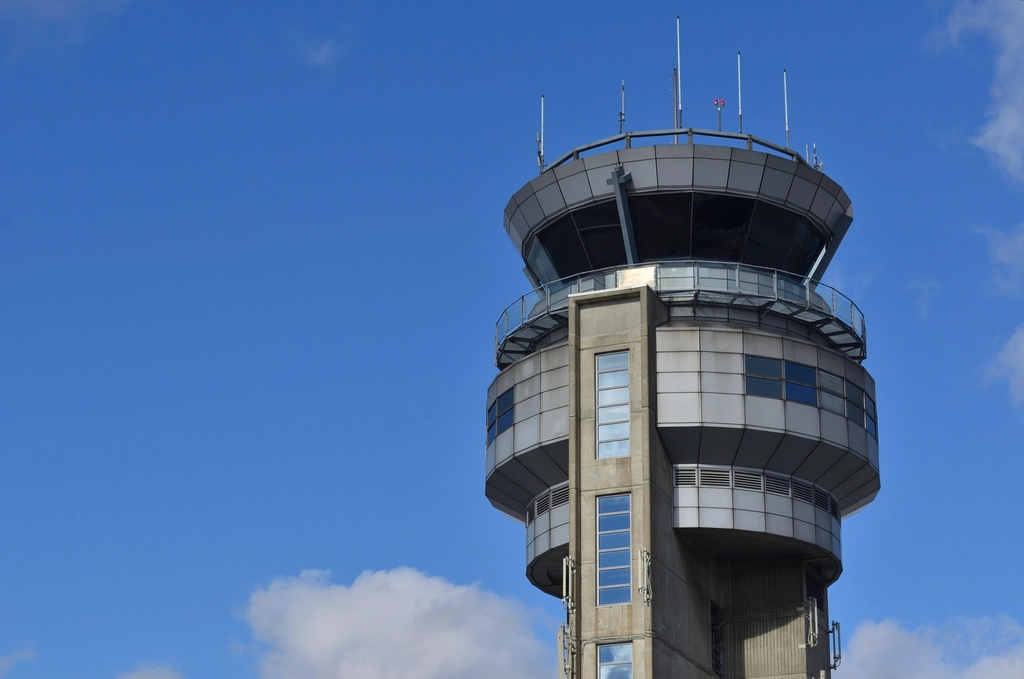
The agency also plans to eliminate the use of floppy disks for distributing weather and critical information at more than 400 air traffic control facilities by the end of 2028. These technological limitations have compounded existing concerns about staffing shortages and congestion. The administration contends that the proposed investment is essential to strengthening the safety of the national airspace system and improving airport capacity.
Source: Simple Flying
