


Twenty-five years after the release of Peter Jackson’s film adaptation, the character of Frodo Baggins remains a central figure in fantasy literature and cinema. While many lines from the trilogy have become iconic, one specific moment stands out for its raw honesty and emotional weight. This line captures the immense burden placed upon a young hobbit who never asked for such a destiny.
The Mines of Moria Confession
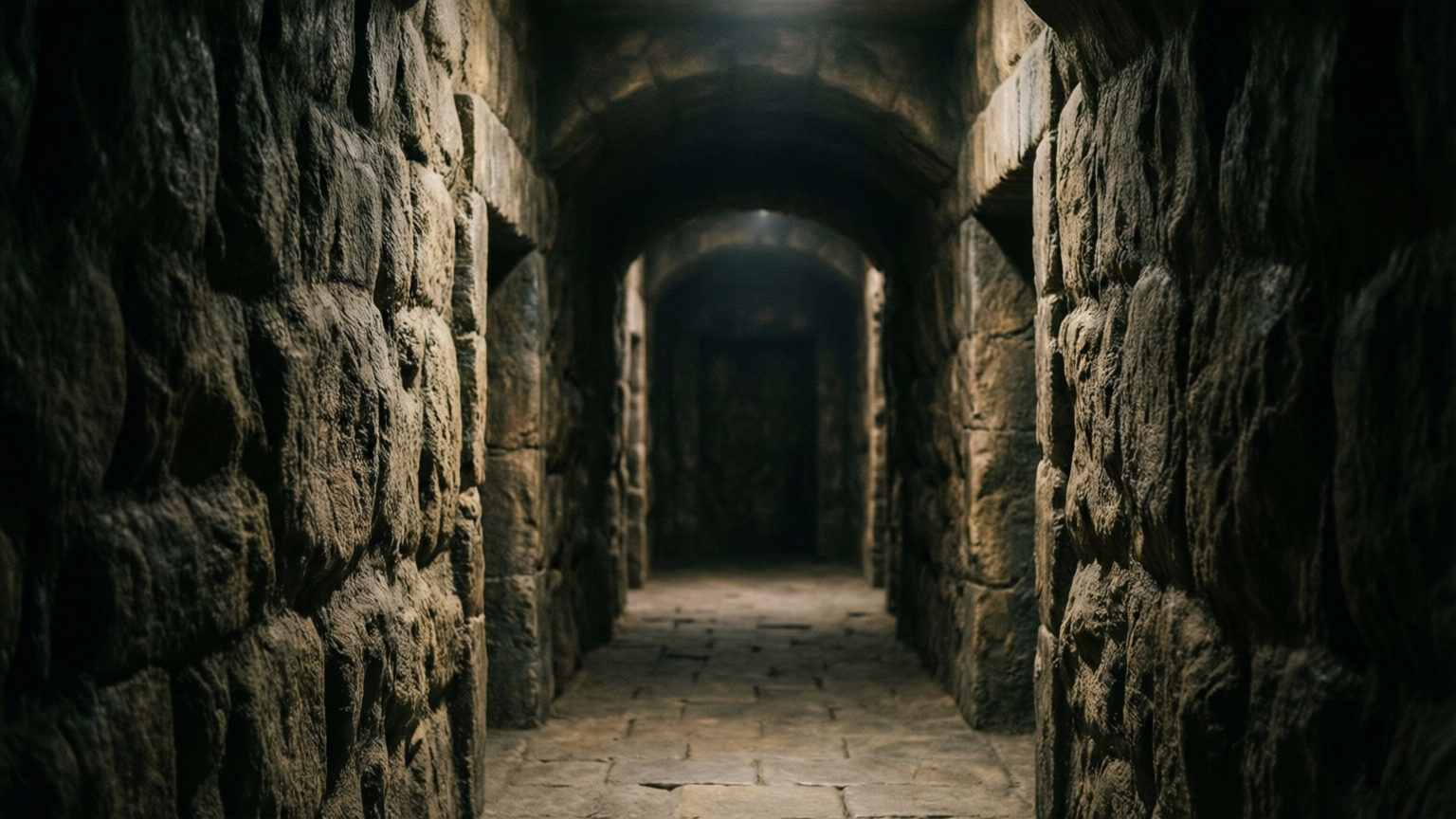
The scene takes place during the Fellowship’s journey through the dark and foreboding Mines of Moria. After their path over the Misty Mountains was blocked, the group entered the ancient dwarven stronghold. In a quiet moment within these shadowy corridors, Frodo seeks reassurance from Gandalf the Grey. It is here that he delivers what many consider his best quote: “I wish the ring had never come to me. I wish none of this had happened.”
This statement is often dismissed by casual viewers as mere complaining or childish sulking. However, understanding the context of Frodo’s life in the Shire reveals the depth of his sacrifice. Hobbits like Frodo, Samwise, Merry, and Pippin grew up in a peaceful community largely untouched by the strife and malice of the wider world. Their existence was defined by safety and familiarity, far removed from the dangers of Middle-earth.
Even the departure of Frodo’s uncle, Bilbo Baggins, was viewed as reckless by their peers. Bilbo left the Shire to join Thorin and Company on a quest to reclaim Erebor from the dragon Smaug. This adventure was not seen as a model to follow, but as an unusually risky departure from the comfortable life hobbits knew. Frodo’s reluctance is therefore a natural reaction to being thrust into a situation far beyond his experience or desire.
The Burden of Unwanted Heroism
Frodo’s words highlight a key theme in J.R.R. Tolkien’s work: the tragedy inherent in all stories. In a 1968 interview with the BBC, Tolkien stated that all stories are ultimately about death. This grim perspective permeates the narrative, particularly through Frodo’s struggle to carry the One Ring to the fires of Mount Doom. His journey is not one of glory or adventure, but of endurance and loss.
The One Ring exerts a constant pull on those who possess it. Its influence is so powerful that even resolute figures like Aragorn are not immune to its temptation. If a warrior as strong as Aragorn can be swayed by the Ring’s power, Frodo has little choice but to shoulder the burden himself. He must continue carrying it, knowing that its power could endanger anyone who tries to take it from him.
This dynamic underscores Frodo’s unique position. He is not a hero seeking glory. He is a hobbit burdened by a quest to save the world because he is the only one who can. By accepting his responsibility to the Fellowship and continuing despite his profound reluctance, he proves his status as the ultimate fantasy hero. His heroism lies not in his strength, but in his willingness to suffer for the greater good.
The brevity of Frodo’s confession in the Mines of Moria resonates because it is true. It captures the exact headspace of a young man facing a destiny far bigger than himself. His vulnerability is not a flaw, but the very quality that makes his eventual success meaningful. He carries the weight of the world not because he wants to, but because he must.
Source: Polygon
