


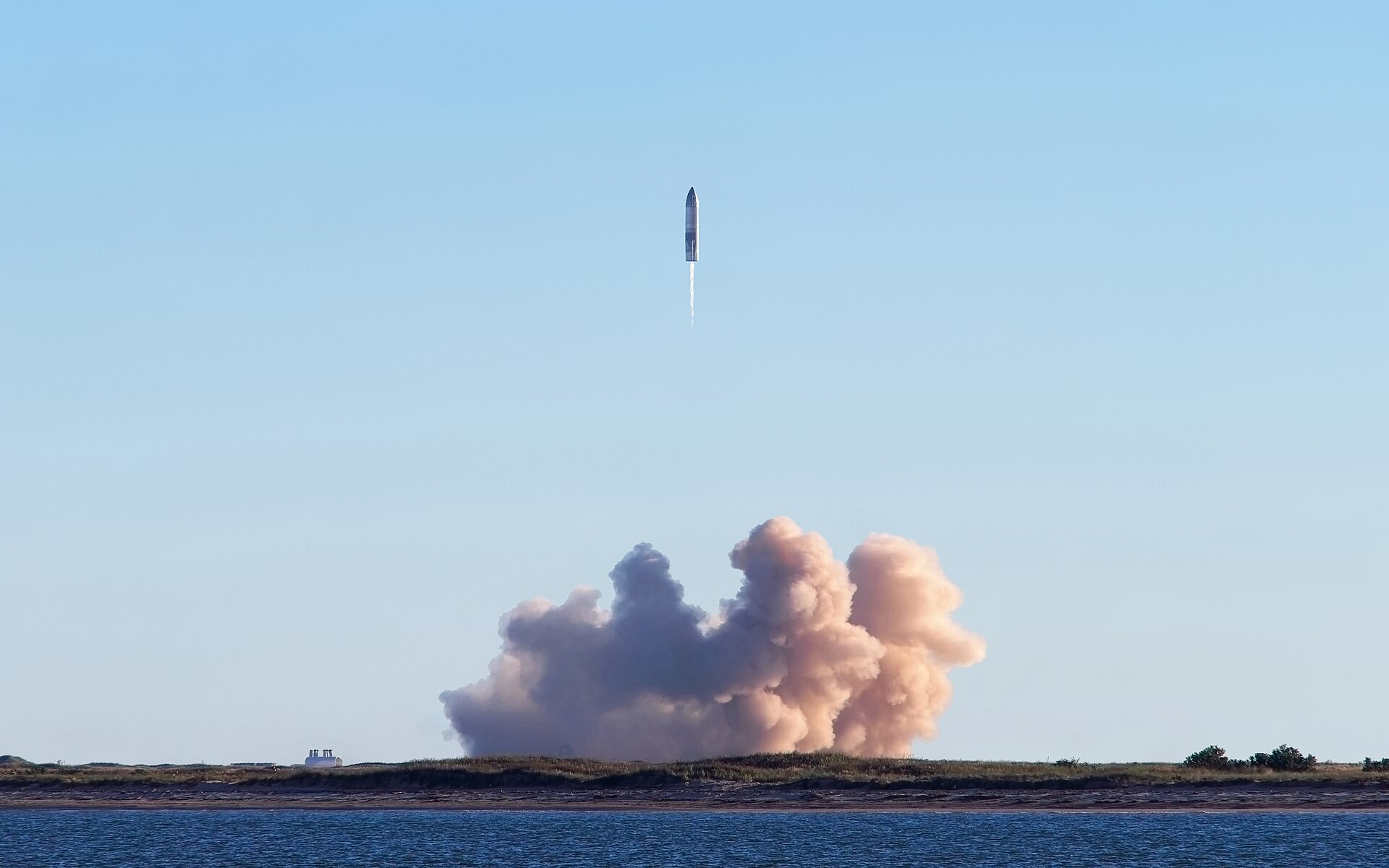
SpaceX has achieved a major milestone in spaceflight by successfully catching its Starship spacecraft midair with giant mechanical arms. The upper-stage vehicle returned to Earth on Saturday, descending slowly over the company’s Starbase facility in Texas. It slipped smoothly between the launchpad’s “chopstick” arms, marking the first time a Starship flying back from space has been captured in this manner.
SpaceX officials stated that the catch demonstrates the full reusability of the vehicle. This capability is essential for the company’s goal of rapid, low-cost recycling of its rockets. The spacecraft completed 14 laps around the Earth at an altitude of 265 kilometers, significantly outperforming the one to two laps achieved in previous missions.
Booster Failure Halts Double Catch
While the upper stage succeeded, the mission fell short of a complete double catch. The first-stage booster exploded shortly after liftoff on Friday. The two stages separated cleanly before the booster encountered issues. The upper stage continued its journey, releasing 26 advanced Starlink satellites into orbit.
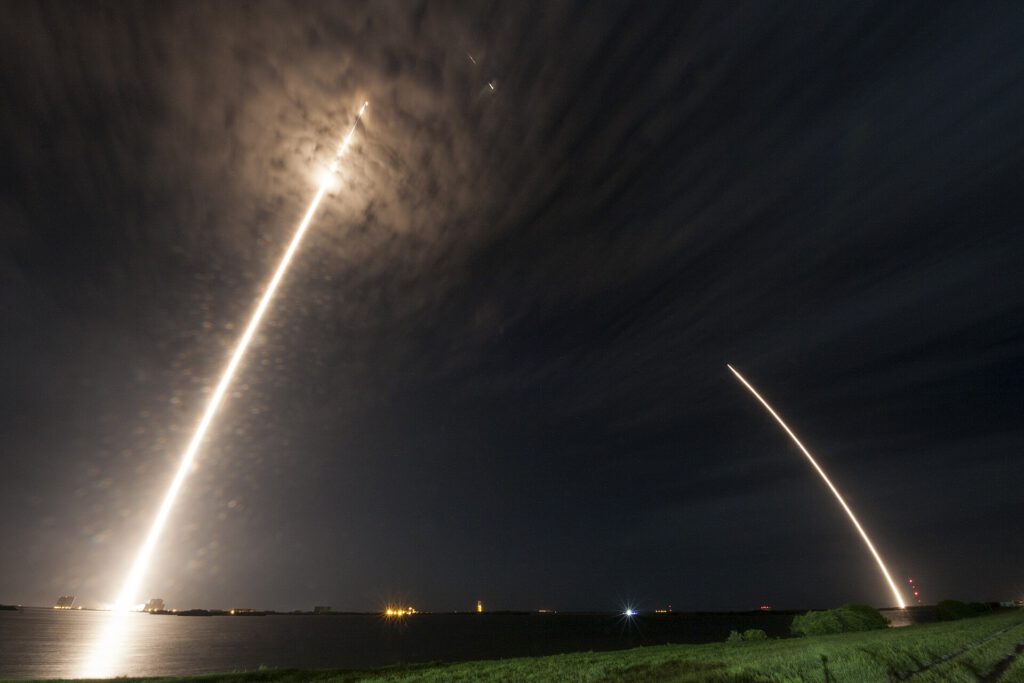
SpaceX’s Kate Tice explained that the booster’s engines stopped firing too soon during its return. The guidance system detected that the vehicle was not in the correct position and automatically initiated a watery detour and self-destruction. Engineers are currently investigating the cause of the failure. Despite this setback, the company had already validated the booster catch technique in three previous missions.
NASA and Musk React to Achievement
Elon Musk congratulated his team on the successful upper-stage recovery. NASA, which is funding Starship for the Artemis program to land astronauts on the Moon later this decade, welcomed the progress. NASA Administrator Jared Isaacman described the event as “almost magic” on social media.
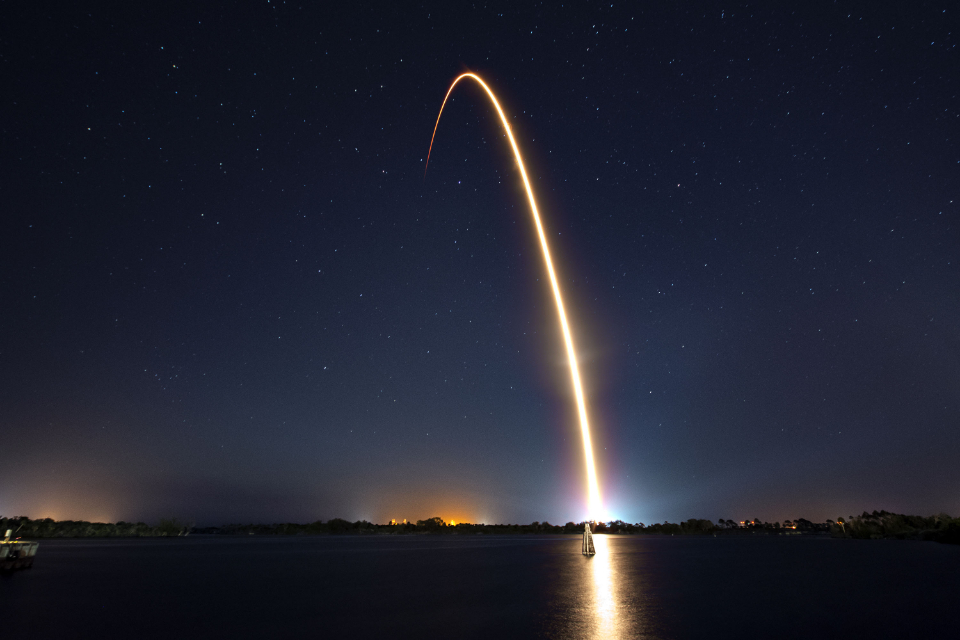
SpaceX reported that all systems on the spacecraft functioned correctly, including the vital heat shield. This was the 15th flight of a full-scale Starship since 2023 and only the second trip to orbit. The 124-meter rocket remains the world’s largest and most powerful launch vehicle, designed for travel to the Moon and Mars.
SpaceX plans to begin launching Starships from Florida’s Kennedy Space Center within the next few months. The successful capture of the upper stage brings the company closer to its vision of fully reusable heavy-lift rockets.
Source: Al Jazeera
