


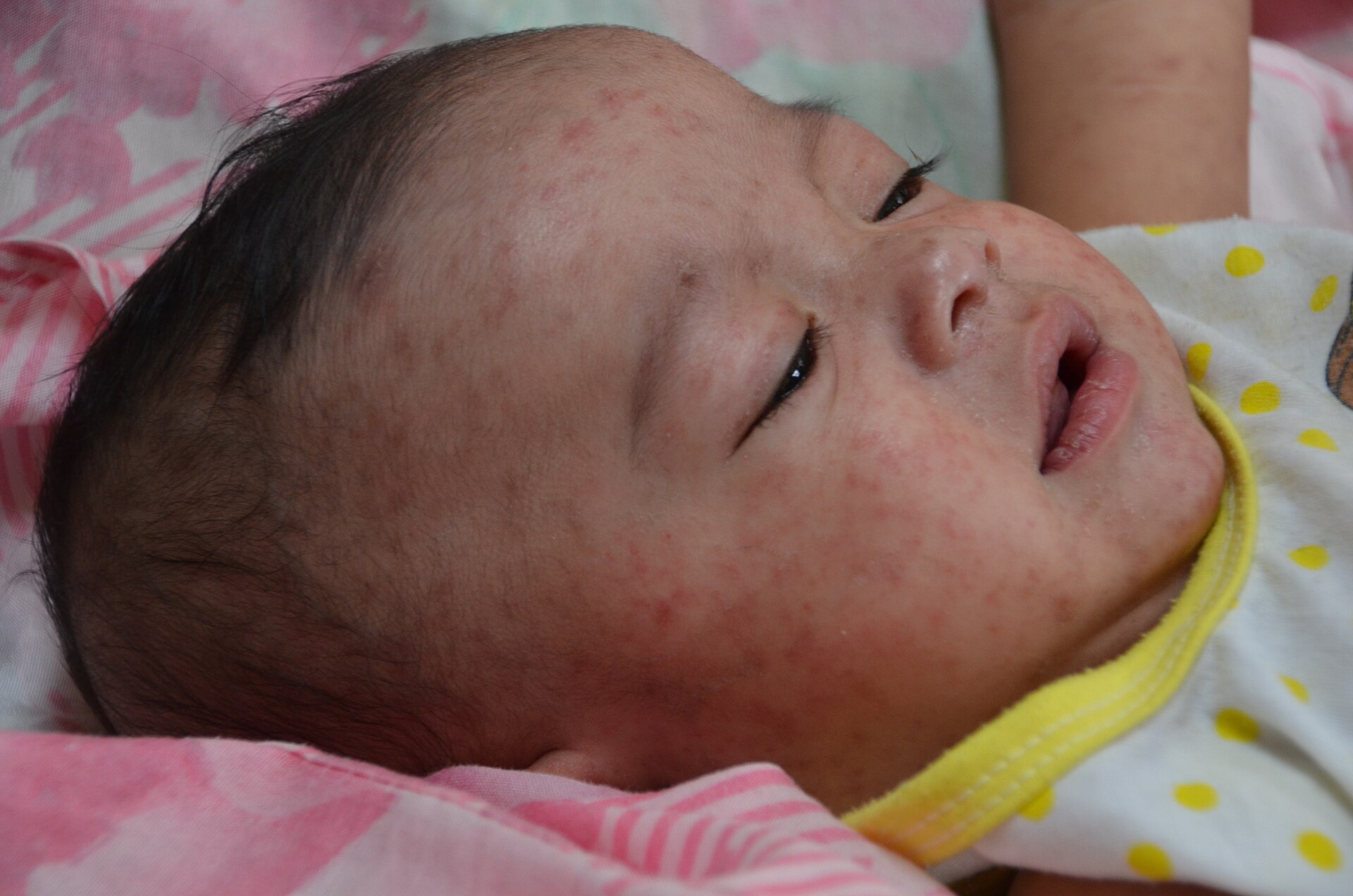
The United States has recorded three measles-related deaths in the past week, including a seven-month-old infant in New York, a baby in Wisconsin, and a postpartum woman in Pennsylvania. These fatalities underscore a growing crisis as the country lacks an active Advisory Committee on Immunization Practices (ACIP) to guide its response to the historic rise in cases.
Four former ACIP members state that the dismantling of the committee has hindered the nation’s ability to adapt its vaccination strategy. While the committee was monitoring the outbreak early last year, it was disbanded by Robert F. Kennedy Jr., the secretary of the US Department of Health and Human Services (HHS). His replacements have not publicly evaluated the evidence or updated recommendations, leaving vaccine advice unchanged despite the escalating death toll.
Historic Rise in Measles Deaths
The recent deaths mark the first measles-associated fatalities in New York and Wisconsin in three decades. The seven-month-old in New York had not received the measles vaccine. In Wisconsin, another infant died from the disease. Pennsylvania reported the death of a 21-year-old woman shortly after childbirth, highlighting the severe risks to pregnant individuals and newborns.
Yvonne “Bonnie” Maldonado, chief of infectious diseases at Stanford Medicine and a former ACIP member, described the current situation as unprecedented. “To have even one case used to be a remarkable occurrence, but now they’re having so many,” she said. She noted that the lack of a functioning committee directly impacts disease control and mortality rates.
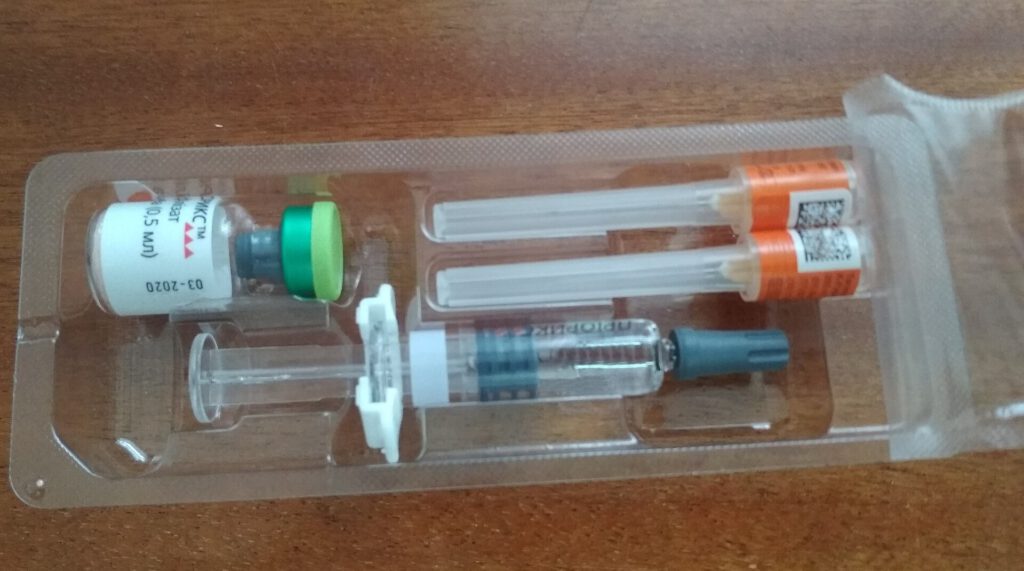
A properly constituted ACIP would likely be considering several aggressive measures to curb the spread. These include moving up the childhood schedule for the measles, mumps, and rubella (MMR) vaccine in affected areas and targeting unvaccinated adults. The committee typically provides evidence-based recommendations to the Centers for Disease Control and Prevention (CDC), but its absence has created a vacuum in public health guidance.
Gaps in Vaccination Strategy
Under normal circumstances, infants receive their first MMR dose at one year of age. However, during outbreaks, the CDC allows for administration as early as six months. Experts argue this recommendation is receiving insufficient attention. Edwin Asturias, a professor of pediatric infectious disease at the University of Colorado, suggested that officials should explicitly tell providers they are in a “huge outbreak” to encourage earlier intervention.
The delay between the first and second MMR doses, usually given between ages four and six, may be contributing to a “group of susceptibles.” Asturias noted that visits to doctors decrease dramatically after the second year of life, leading to missed opportunities for the second dose. This gap leaves many children unprotected for decades.
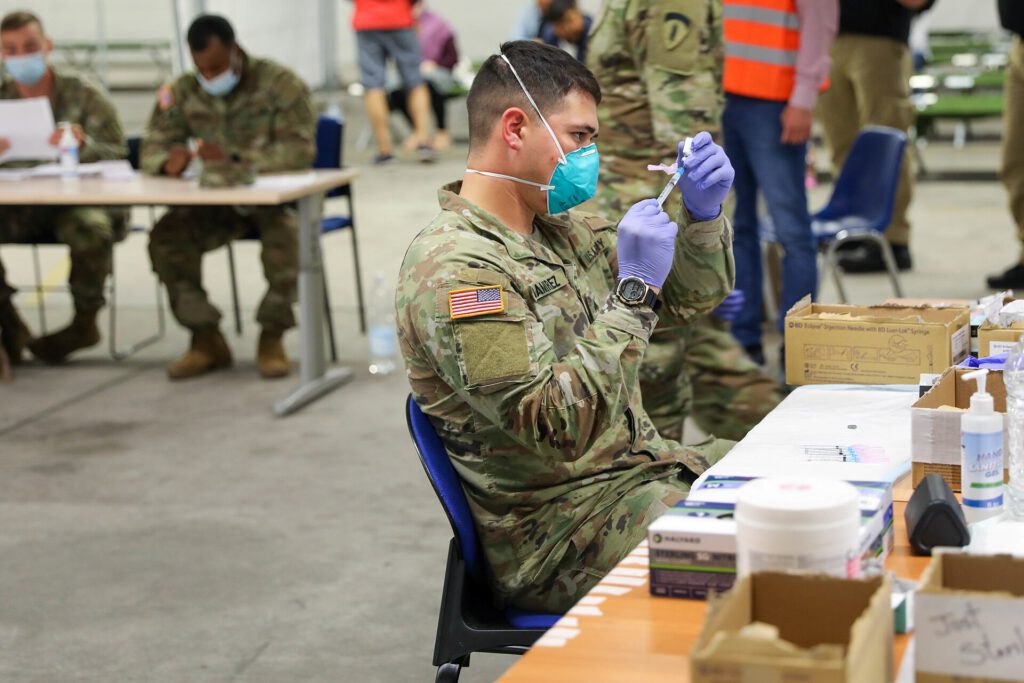
Adolescents and young adults are also falling ill at unusually high rates. Paul Offit, a former ACIP member, questioned whether the US is adequately monitoring adult infections or attempting to vaccinate them. He emphasized the difficulty of reaching adults compared to children, who are subject to school mandates.
The situation is particularly critical for women of childbearing age. Congenital measles cases have risen sharply, with officials warning that the vaccine cannot be given during pregnancy. This has led to severe outcomes for both mothers and infants, including the recent death in Pennsylvania.
Need for Targeted Response
Noel Brewer, a distinguished professor at the UNC Gillings School of Global Public Health, stated that a functioning ACIP would identify specific geographical areas and groups with low vaccination rates. He noted that while vaccination rates are high in most places, there are pockets of vulnerability that require targeted campaigns.
The CDC is currently accepting nominations for a new committee, but the appointment process can take months or years. Brewer highlighted that it typically takes 12 to 18 months to adopt new recommendations, a timeline that is too slow for an accelerating outbreak.

States and counties have the authority to set their own vaccine mandates and recommendations. However, experts criticize the lack of clear, unified communication from federal officials. Erica Schwartz, the CDC director, faced criticism for remaining silent on the outbreaks for weeks after taking office.
Maldonado described the current environment as chaotic, with families unsure where to turn for guidance. She stressed that most severe complications, including subacute sclerosing panencephalitis, occur in young babies under one year of age. The risks persist long after the initial rash fades.
Brewer called for US officials to speak with “one voice” and outline a clear plan. “The US has a terrible measles problem right now, one that is largely avoidable,” he said. “We need to get vaccination rates up. That’s really the key priority: just get the shot.”
Source: The Guardian
