


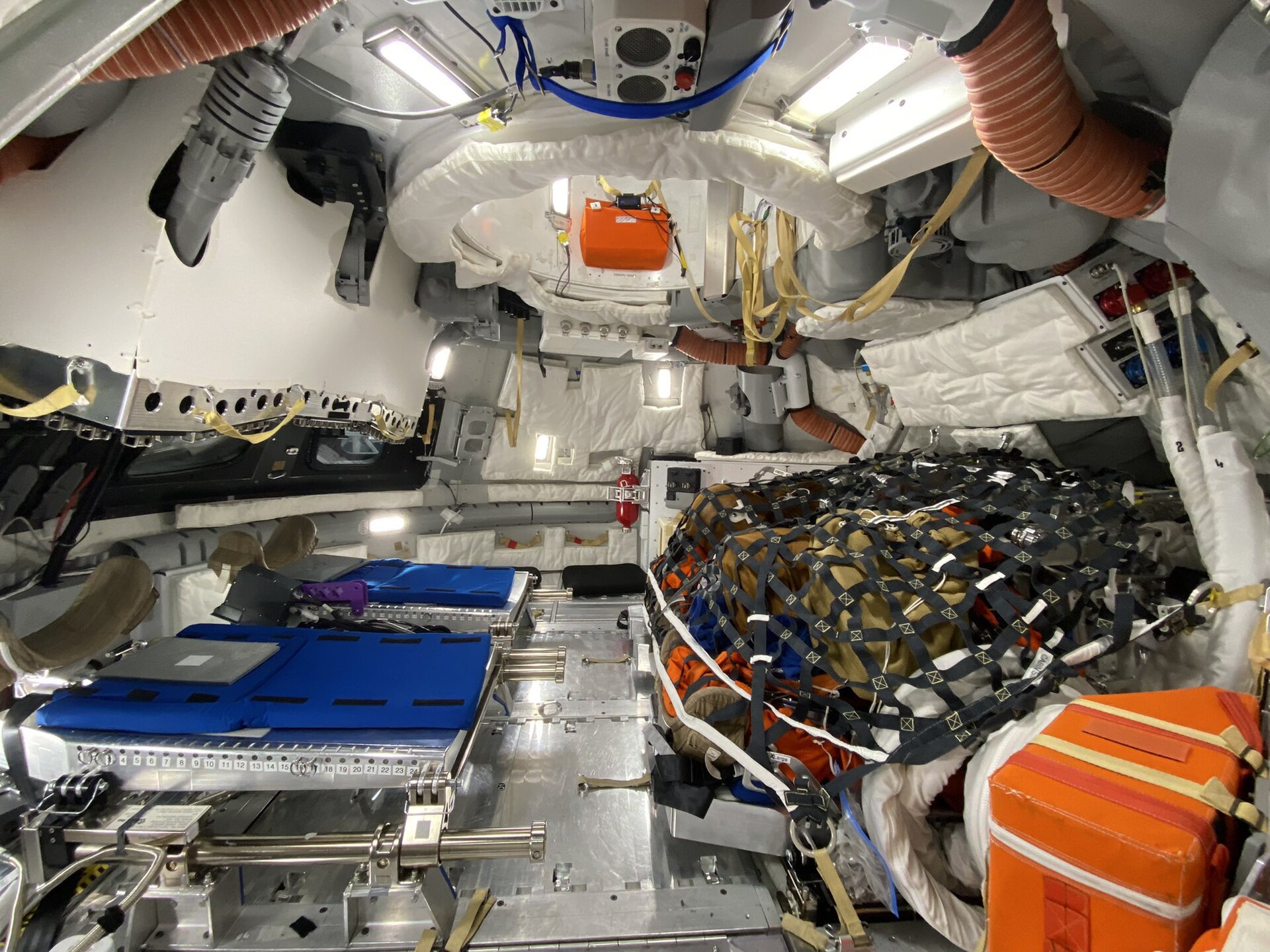
NASA Administrator Jared Isaacman announced a significant revision to the Artemis program architecture during a news conference on Friday, outlining a path to return astronauts to the lunar surface by 2028. The updated plan addresses a long-standing propulsion limitation in the Orion spacecraft and introduces new docking procedures for commercial lunar landers developed by SpaceX and Blue Origin.
Isaacman stated that the agency has secured the necessary mandate and resources to execute these changes. “We have the mandate, we have the resources, and the support from our stakeholders,” he said. The agency aims to launch the Artemis III demonstration mission in summer 2027, followed by the first actual lunar landing under Artemis IV in 2028.
Orion Propulsion Fix and Low-Lunar Orbit
A central element of the revised plan is the ability for the Orion spacecraft to reach low-lunar orbit. Historically, Orion lacked the delta-V capability to travel from Earth to low-lunar orbit and return to splashdown in the Pacific Ocean. Previous missions relied on the Lunar Gateway, positioned in a distant near-rectilinear halo orbit, to bridge this gap.
NASA is now working with United Launch Alliance to develop an extended version of the Centaur V upper stage. This upgrade, combined with the Space Launch System core stage, will provide the necessary thrust to place Orion in low-lunar orbit. Isaacman described this as solving propulsion and integration problems that had been left unaddressed for too long.
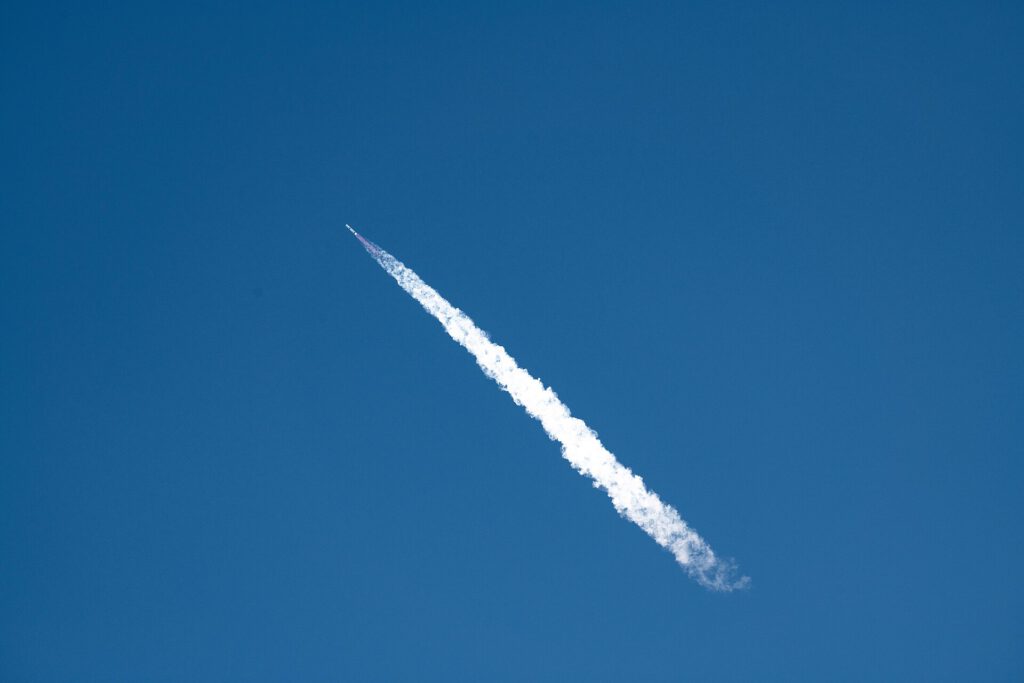
Reaching low-lunar orbit, approximately a few hundred kilometers above the Moon, reduces the propellant required by lunar landers to descend and ascend. This efficiency allows landers to carry more mass for other mission-critical systems. It also provides astronauts with faster and more frequent opportunities to return to the lunar surface if needed.
SpaceX Starship and Blue Origin New Glenn Adjustments
The new architecture requires SpaceX to fuel its Starship lunar lander in low-Earth orbit before docking with Orion. This change eliminates the previous requirement to dock in a near-rectilinear halo orbit, a move that engineers had requested to reduce energy demands and operational complexity. Following the cancellation of the Lunar Gateway earlier this year, this high-Earth orbit docking became the standard approach.
Under the current plan, four astronauts will fly to the Moon in Orion. Two will transfer to Starship for the lunar landing. The number of tanker launches required to refuel Starship remains a point of contention. A NASA Safety Panel recently estimated the need for about 22 tanker launches, while SpaceX founder Elon Musk claims the actual number will be between six and eight. Isaacman noted that Musk’s estimate represents the “ultimate potential end state” of Starship operations, though NASA declined to confirm a precise number due to uncertainties in lift capacity and propellant boil-off rates.
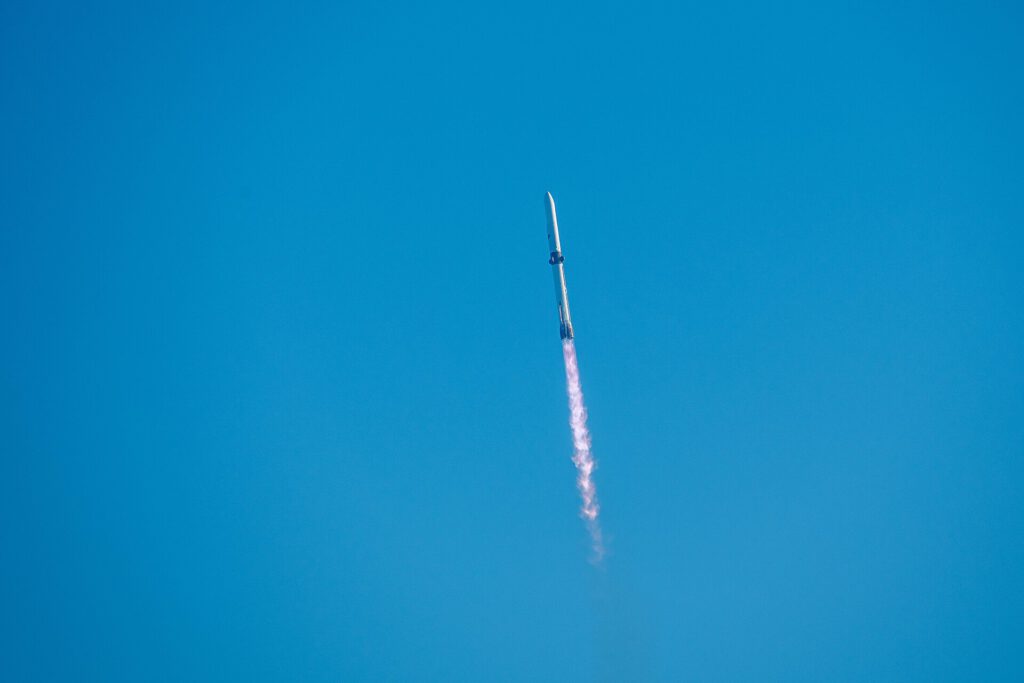
Blue Origin has also modified its approach to align with the new timeline. The company will launch four New Glenn rockets for initial missions, eliminating the need for spacecraft-to-spacecraft refueling. Three transfer stages will be launched to low-Earth orbit, followed by the Blue Moon Mark 2 lander. The lander will rendezvous with the transfer stages to push the stack toward the Moon.
NASA revealed that Blue Origin is also exploring the option of docking the Blue Moon lander with Orion in low-lunar orbit. This configuration, similar to the SpaceX plan, would significantly reduce the propellant burden on the lander. Jeremy Parsons, manager of the Artemis Program, indicated that this lower orbit makes aspects of the lunar landing process substantially easier for the Blue Origin team.
The agency emphasized that these changes are driven by data and the progress of its landing partners. Isaacman stated that NASA is actively looking for ways to help commercial companies meet their timelines. “Their lives get easier if we can get Orion closer to the Moon, substantially,” he said. The agency chose to adjust its own systems rather than wait for landers to adapt to previous constraints.
Source: Ars Technica
