


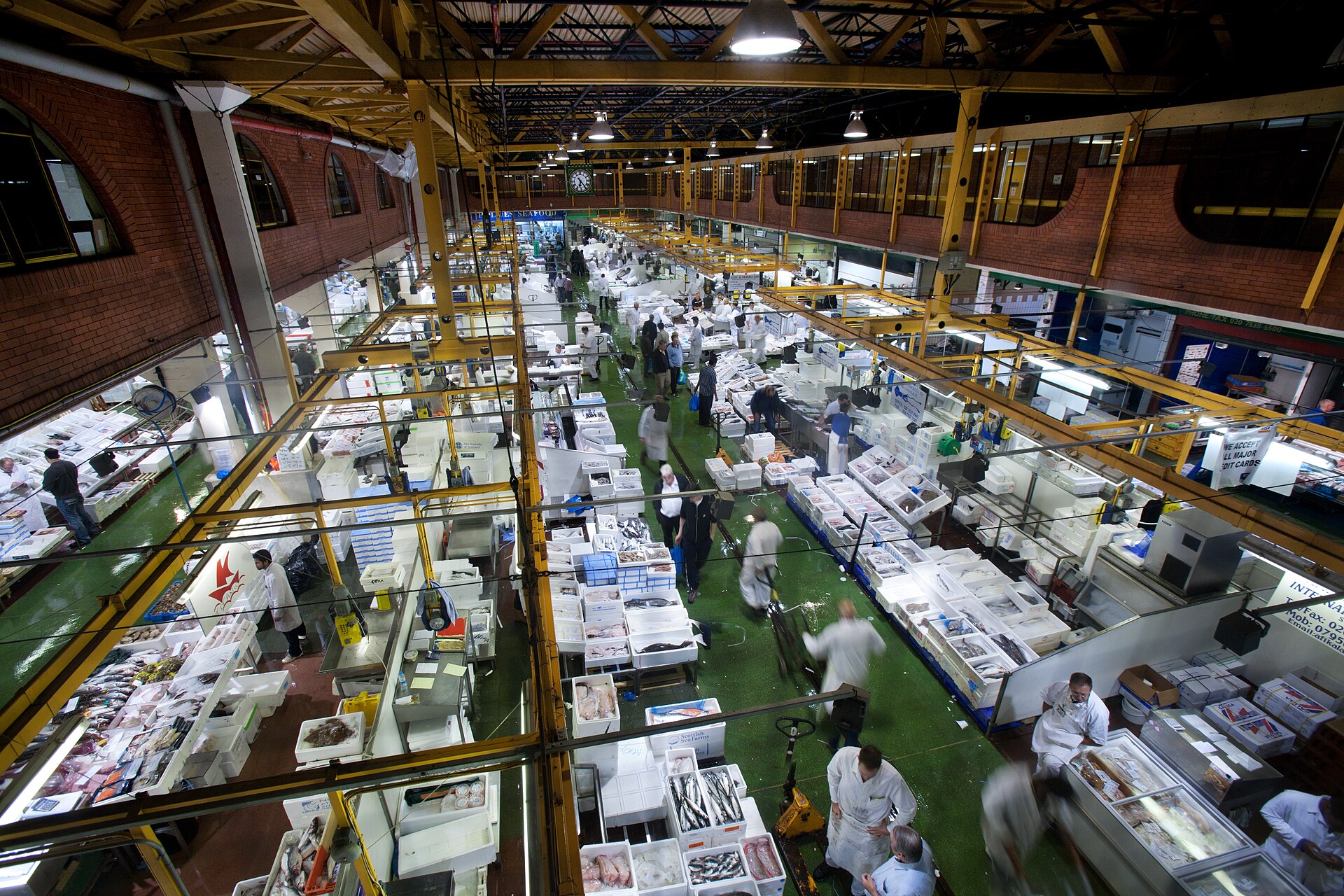
British home cooks have traded a century of diverse seafood for a narrow menu dominated by just five species, according to a new academic study. Ruth Thurstan of the University of Exeter analyzed more than 1,000 fish and shellfish recipes published in Good Housekeeping from 1923 to the present. The research reveals a sharp decline in the variety of species featured in domestic cooking, with the “big five” now accounting for more than 60% of all mentions.
The Rise of the Big Five
Thurstan identified 67 different species in the magazine archives over the last 100 years. However, since the 1970s, cod, haddock, tuna, salmon, and prawns have become the overwhelming favorites. This shift coincides with data from the Marine Stewardship Council, which states that these five species make up 80% of fish and seafood consumed in the UK today. The dominance of these specific catches has led to a significant drop in recipes featuring delicacies such as oysters, flatfish, and herring.
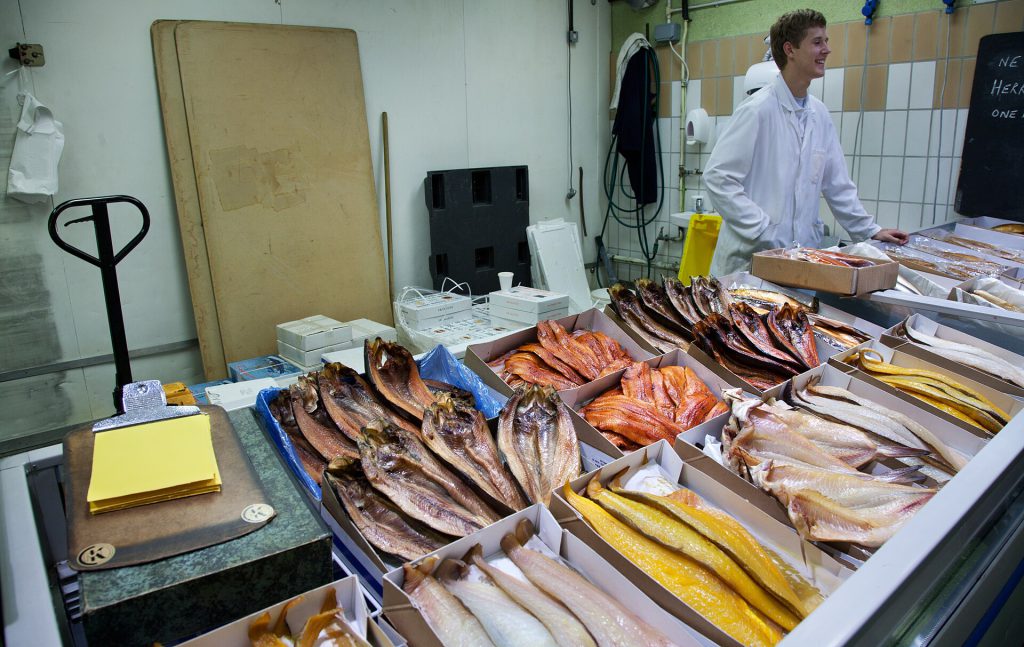
Thurstan noted that this change was not driven by a lack of availability. Herring, oysters, and lobster can still be purchased in the UK, but they are no longer being encouraged in published recipes. “This wasn’t simply a case of fewer species being available, but it reflects a genuine narrowing of what readers were being shown and encouraged to cook,” she said.
From Whale Curry to Aspirational Dishes
The recipe archives show a dramatic evolution in British culinary habits. Early 20th-century recipes from the 1920s and 1930s featured adventurous dishes like oyster cocktail, lobster canapes, and halibut steaks in milk. During the 1940s, under wartime rationing, the Ministry of Food explicitly encouraged the consumption of alternative proteins, including a recipe for curried whale meat. By the 1960s, cooks were preparing plaice véronique and chilled prawn soup, while the 1970s saw a rise in recipes for cod roe on toast and tuna soured cream quiche, alongside a sharp increase in tinned fish mentions.
More recent decades show a shift toward more complex, “aspirational” cooking. Recipes from the 1990s featured herb-crusted salmon and prawn and peanut noodles. In the 2020s, the magazine has promoted dishes such as golden hasselback salmon, gochujang sticky cod, and miso prawn skewers. These modern examples highlight a move toward global flavors and intricate preparation techniques, contrasting sharply with the simpler, economy-focused meals of the early 1900s.
Environmental and Culinary Costs
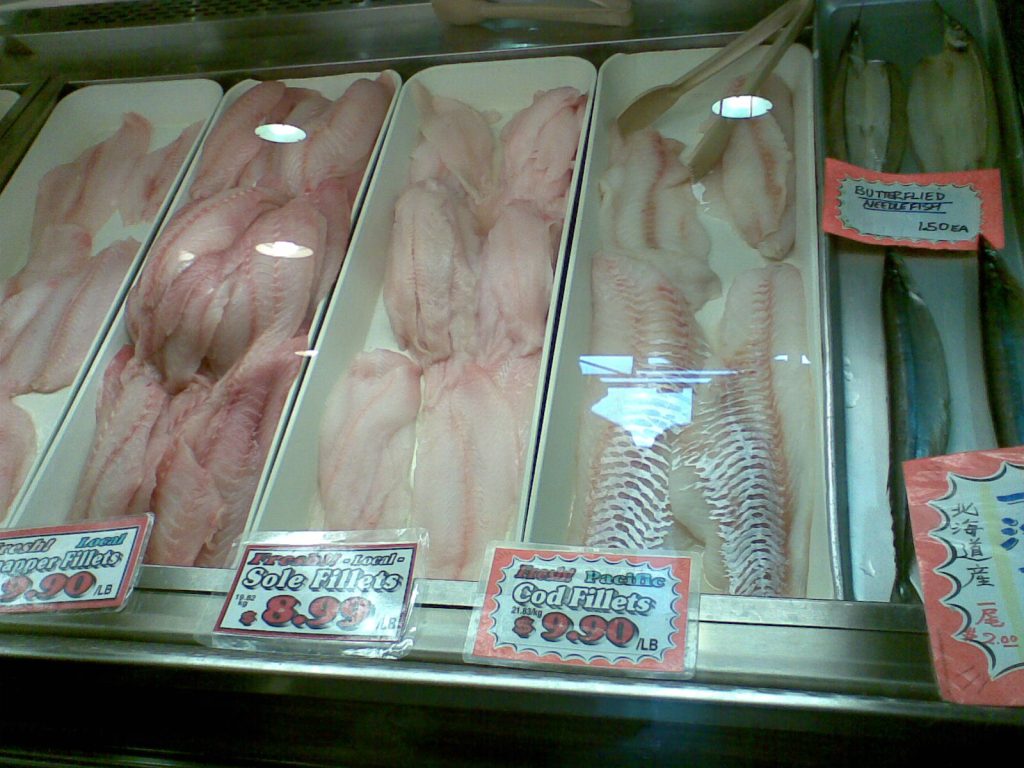
The concentration of demand on a small number of species carries environmental risks. Thurstan pointed out that cod, haddock, and shrimp fishing can damage valuable marine habitats, while salmon farming has faced intense scrutiny. The loss of diversity in the kitchen may also limit public awareness of sustainable alternatives and traditional cooking methods.
Thurstan, who works at the Centre for Ecology and Conservation at Exeter’s Penryn Campus, has tested some of the historical recipes herself. She tried a 1920s dish called “Fish baked in custard” using pollack. Although the recipe calls for a custard, she noted it is not sweet and has potential with a name change. She also plans to try 1930s oyster soup and kipper cream, a dish made by pounding parboiled kipper with butter, lemon juice, or vinegar until it reaches a creamy consistency.
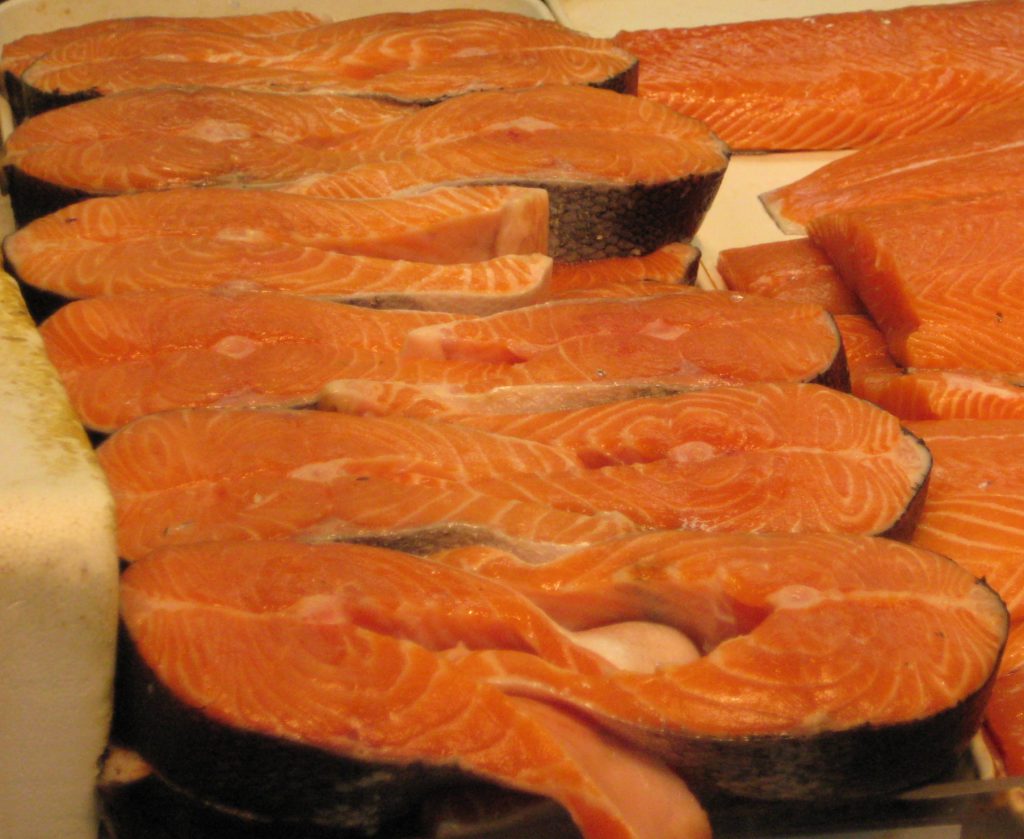
The study, titled “Declines in the diversity of fish represented in British domestic recipes over the past 100 years,” has been published in the journal People and Nature. It offers a detailed look at how everyday sources like lifestyle magazines shape and reflect our relationship with food over time.
Source: The Guardian
