


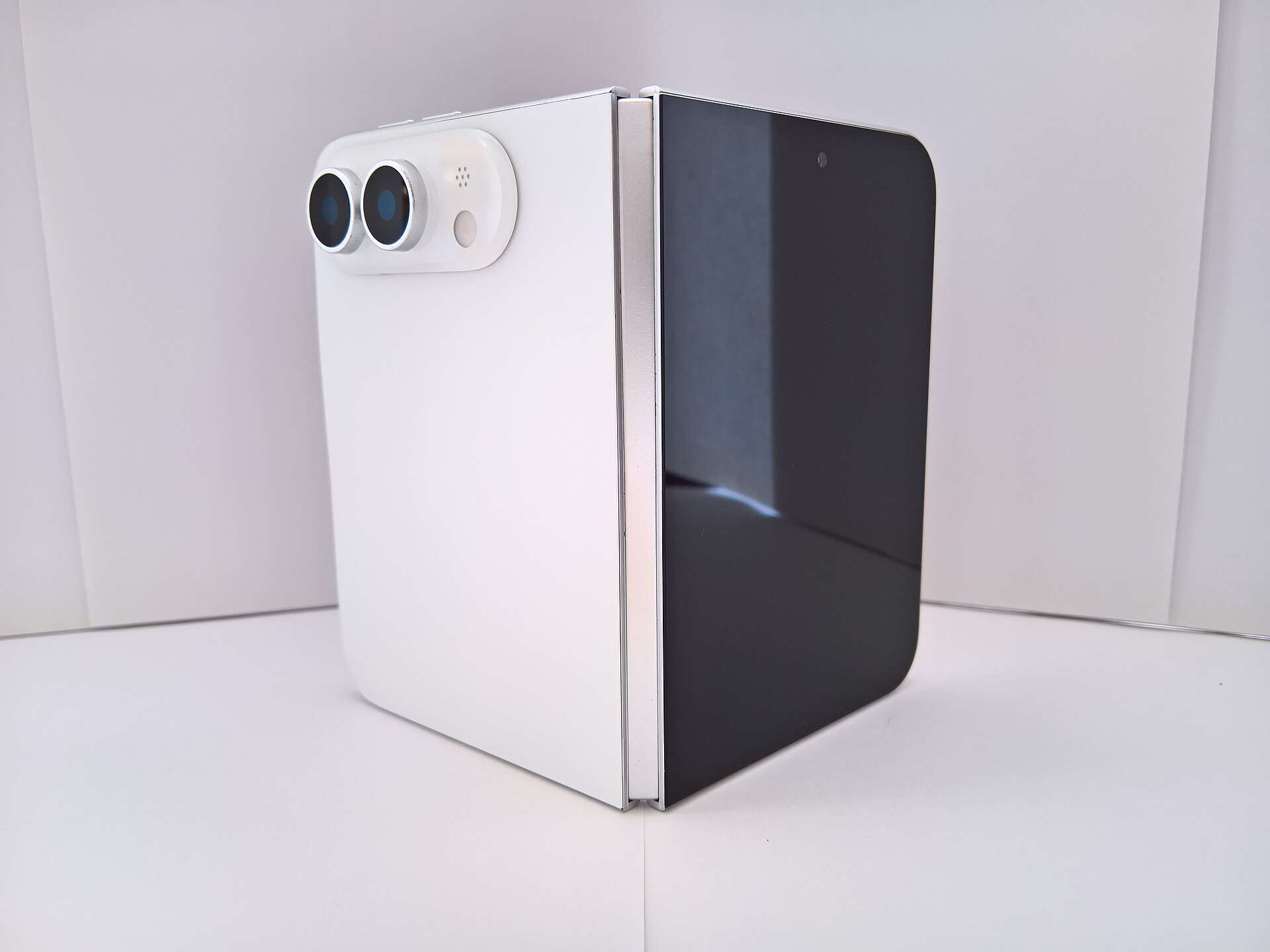
Apple has developed a novel thermal management solution for the iPhone Duo, routing a flexible graphite pipe directly through the device’s hinge. This engineering choice addresses the significant heat dissipation challenges inherent in a foldable device that doubles in thickness when closed.
The approach was detailed in an interview with PCMag by Dan Murray, Apple’s vice president of silicon engineering, and Banafsheh Barabadi, the company’s senior manager of thermal product design. They discussed the architecture of the A20 Pro system on a chip (SoC), which powers the iPhone 18 Pro, iPhone 18 Pro Max, and the new iPhone Duo.
A20 Pro Chip and Display Architecture
The A20 Pro marks Apple’s first iPhone processor built on a 2 nanometer process. This manufacturing technology previously debuted with the M6 chip in the Mac mini in August. While the base A20 Pro design serves the standard iPhone 18 models, the variant used in the iPhone Duo includes specific enhancements.
According to Murray, the Duo version features a second display engine. This addition allows the device to run both the inner and outer screens simultaneously without compromising performance. The chip also supports placing the FaceTime camera behind the inner display, a requirement for the foldable form factor.
“For iPhone Duo, we added a second display engine to support simultaneous operation of the inner and outer displays,” Murray said. “And with the increased CPU and GPU performance, we ensure we can deliver a smooth user experience across the displays.”
Vapor Chamber and Metal Over Foam
Beyond the processor architecture, Apple introduced new materials to handle the thermal load. The device utilizes a vapor chamber to spread heat away from the A20 Pro. A key component of this system is a material Apple refers to as “metal over foam.”
Barabadi described this material as creating a direct thermal and mechanically compliant coupling between the SoC and the vapor chamber. She noted that the material is highly effective at removing heat while meeting strict mechanical requirements. The development process for this material took months to perfect the specific properties needed for the device.
iFixit recently examined the iPhone 18 Pro during a teardown and identified the same “metal over foam” material, confirming its presence in Apple’s latest silicon packaging strategy.
Hinge-Integrated Thermal Solution
The most distinct aspect of the iPhone Duo’s thermal design involves the hinge itself. Dissipating heat in a foldable device is difficult because the internal volume changes and the device becomes thicker when folded. To solve this, Apple co-engineered a flexible graphite pipe with its mechanical team.
This pipe runs through the hinge, transferring heat between the two halves of the device. This design increases the total surface area available for heat dissipation. Barabadi emphasized the durability requirements for this component.
“This part need[ed] to be co-engineered between our thermal team and the mechanical team,” Barabadi said. “It’s a flexible material that needs to survive, as you can imagine, many hinge cycles while maintaining its thermal connectivity, and also its structural integrity throughout the product life cycle.”
The interview also touched on the A20 Pro’s internal layout, specifically the decision to place DRAM next to the processor rather than stacking it on top. This configuration offers specific performance benefits for the chip’s architecture.
Source: 9to5Mac
