



Researchers at the University of California, San Francisco have published early human data suggesting that psilocybin, the active compound in magic mushrooms, may reduce inflammation in patients with neurodegenerative diseases. The findings, published in JAMA Psychiatry, offer some of the first evidence in humans that classic psychedelics could help treat conditions driven by immune dysregulation.
UCSF Trial Results in Parkinson’s Patients
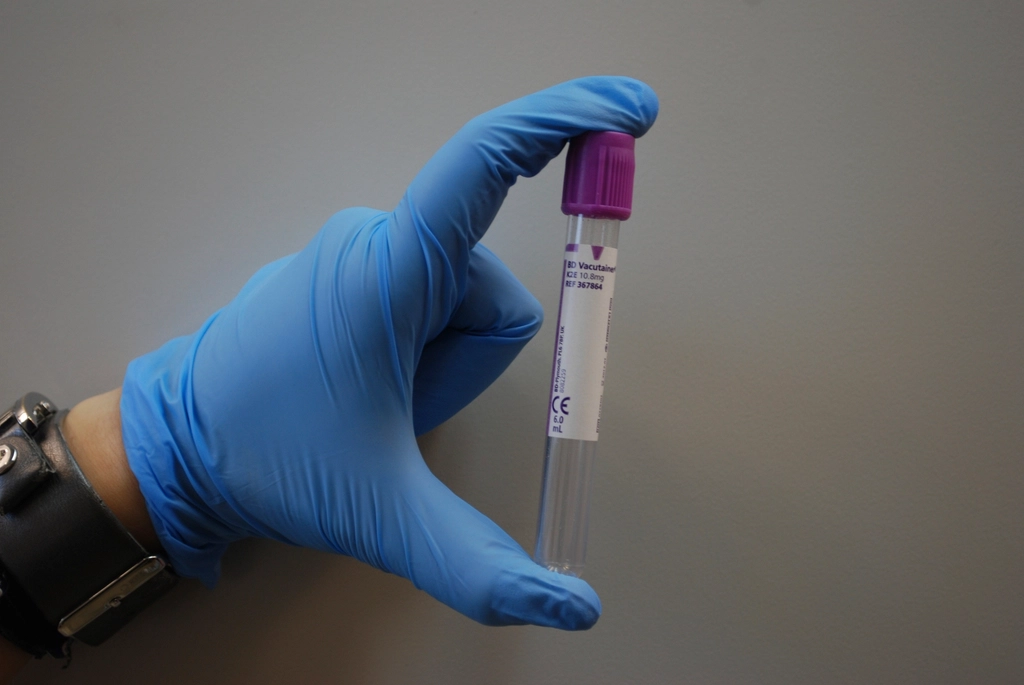
The study involved 12 participants with Parkinson’s disease. Researchers administered two sessions of psilocybin and measured five different signaling molecules associated with inflammation in the blood. They also tracked a specific blood marker for mitochondrial stress, which refers to the energy-producing structures within cells.
According to the data, participants showed significantly lower levels of inflammation after the treatments compared to their baseline levels. These anti-inflammatory effects persisted for at least one month after the final dose. The researchers also observed substantial improvements in mitochondrial stress markers immediately following the psilocybin sessions, although these specific improvements were not sustained during the longer-term follow-up period.
Dr. Ellen Bradley, an associate professor of psychiatry at UCSF who helped lead the analysis, described the results as an initial biological signal. She noted that the findings provide a basis for further investigation into how these compounds affect the body beyond the brain.
Broader Implications for Neurodegenerative Disease
Parkinson’s disease is characterized by chronic inflammation and mitochondrial dysfunction. The study authors suggest that the observed reduction in inflammatory markers could help explain why participants in the trial experienced some improvement in their symptoms. This connection between psilocybin and immune system regulation opens up new possibilities for treating other diseases with similar underlying mechanisms.
D. Parker Kelley, a research scientist at Columbia University and a co-author of the paper, stated that the findings serve as a potential starting point for more extensive research. He suggested that the anti-inflammatory effects of psychedelics might apply to neuropsychiatric disorders like depression and anxiety, as well as cardio-metabolic and inflammatory conditions.
Charles Nichols, a professor at LSU Health Sciences Center who was not involved in the study, called the research a proof of principle. His own laboratory discovered fifteen years ago that certain psychedelics act as potent anti-inflammatory agents in cell cultures. He noted that while the current study has limitations, it validates the pharmacology his group has studied for over a decade.
Study Limitations and Future Directions
The researchers emphasize that the study has significant limitations. It lacked a control group, and the participants were aware they were receiving the drug, which introduces the possibility of placebo effects. Aoife O’Donovan, a professor of psychiatry at UCSF and co-author of the paper, stressed that the data on blood markers needs to be confirmed in larger, controlled studies before making definitive claims about the drug’s efficacy.
Despite these constraints, O’Donovan expressed confidence in pursuing this line of research. She pointed to the objective markers that changed over time as a reason to continue exploring the physiological effects of psilocybin. The team plans to conduct follow-up studies to verify these initial findings and determine the long-term impact of psilocybin on inflammation and mitochondrial health in humans.
Source: NPR
