


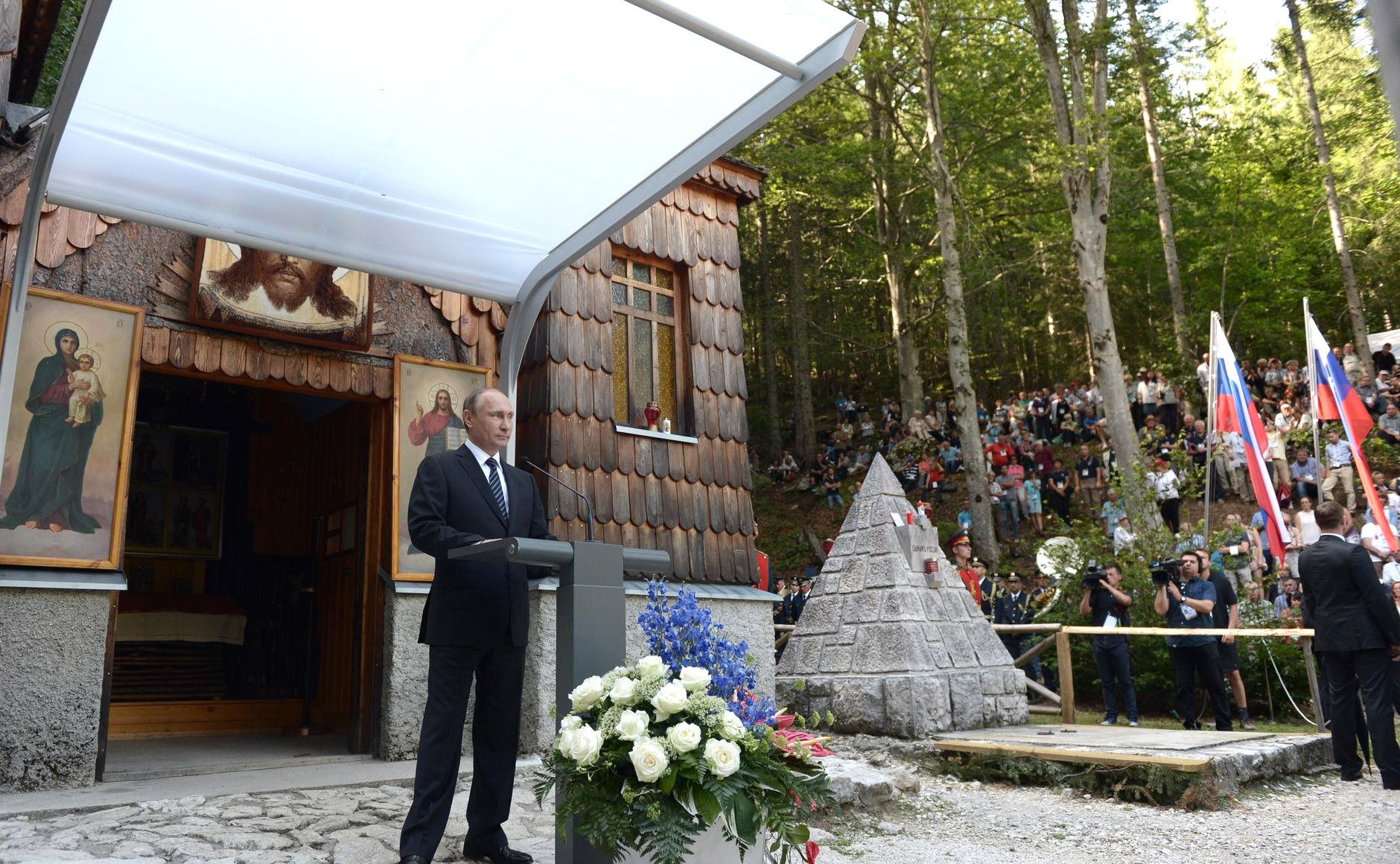
Vladimir Putin ordered the release of Stephen Hubbard, a 74-year-old former teacher, from a Russian prison on Wednesday. The move came as Donald Trump’s special envoy, Steve Witkoff, arrived in St Petersburg for talks aimed at ending the war in Ukraine. Hubbard had spent more than four years in detention on charges of fighting as a mercenary for Ukraine.
Unilateral Release and Diplomatic Signals
The release of Hubbard was not part of a traditional prisoner swap. Moscow acted unilaterally, a departure from the exchange model often used in previous cases involving Americans held in Russia. President Trump stated on Truth Social that the release followed a direct request he made to Putin the previous week. He emphasized that the United States did not have to offer anything in return, calling it an unprecedented situation.
Witkoff, who has visited Russia nine times since taking on the role of brokering peace, met with Putin at the Constantine Palace. During a televised segment of the meeting, Witkoff praised the Russian leader. He told Putin, “You are a humanitarian also, sir, and I salute that.” Witkoff also conveyed Trump’s gratitude for a recent agreement to resume Russian diesel exports to the United States.
The warmth of Witkoff’s remarks contrasted sharply with the growing hostility between Washington and Kyiv. Senior US officials, including Trump, have increasingly criticized Ukrainian President Volodymyr Zelenskyy. Trump has called for Zelenskyy to resign, portraying him as an obstacle to peace. This shift occurred even as Witkoff had met with Zelenskyy and European leaders in Oslo just a day earlier to inject momentum into stalled negotiations.
Peace Talks and Economic Shifts
Witkoff presented Putin with documents outlining ideas for a peace deal. He described the meeting as constructive but noted that important work remained. The Kremlin agreed in principle to technical-level trilateral talks between the US, Russia, and Ukraine. These discussions would focus on security guarantees for both nations once the war ends.
Despite the diplomatic engagement, there are few signs of an imminent ceasefire. Moscow has shown little indication that it intends to halt its bombardment of Ukraine as winter approaches. Putin remains committed to maximalist war aims, including full control of the eastern Donetsk region. The UN has confirmed more than 17,500 civilian deaths in Ukraine since the full-scale invasion began in February 2022, though the true toll is likely higher.
On the economic front, the two leaders discussed closer ties after the war. Putin thanked Trump and his wife, Melania, for their attention to ending the conflict. He also suggested that Russia could significantly increase fertilizer exports to the American market. Russian officials stated that the first tanker carrying diesel to the US would depart on Thursday. The initial shipment is expected to be about 300,000 tonnes.
Energy analysts have questioned whether the resumption of diesel imports will provide meaningful relief to US consumers before the midterm elections. They argue that the volumes are too small to ease the global supply squeeze. Meanwhile, tensions over Starshield, the military-grade version of Elon Musk’s Starlink network, continue. US Secretary of State Marco Rubio stated that the decision to restrict Ukraine’s access to the service came from Musk, governed by a private commercial contract.
The talks also touched on a potential summit in China next month involving Putin, Trump, and Chinese President Xi Jinping. The Kremlin said Beijing was already making preparations for what it described as an unprecedented meeting between the three leaders. Witkoff indicated that further technical discussions would follow the current round of talks in St Petersburg.
Source: The Guardian
