


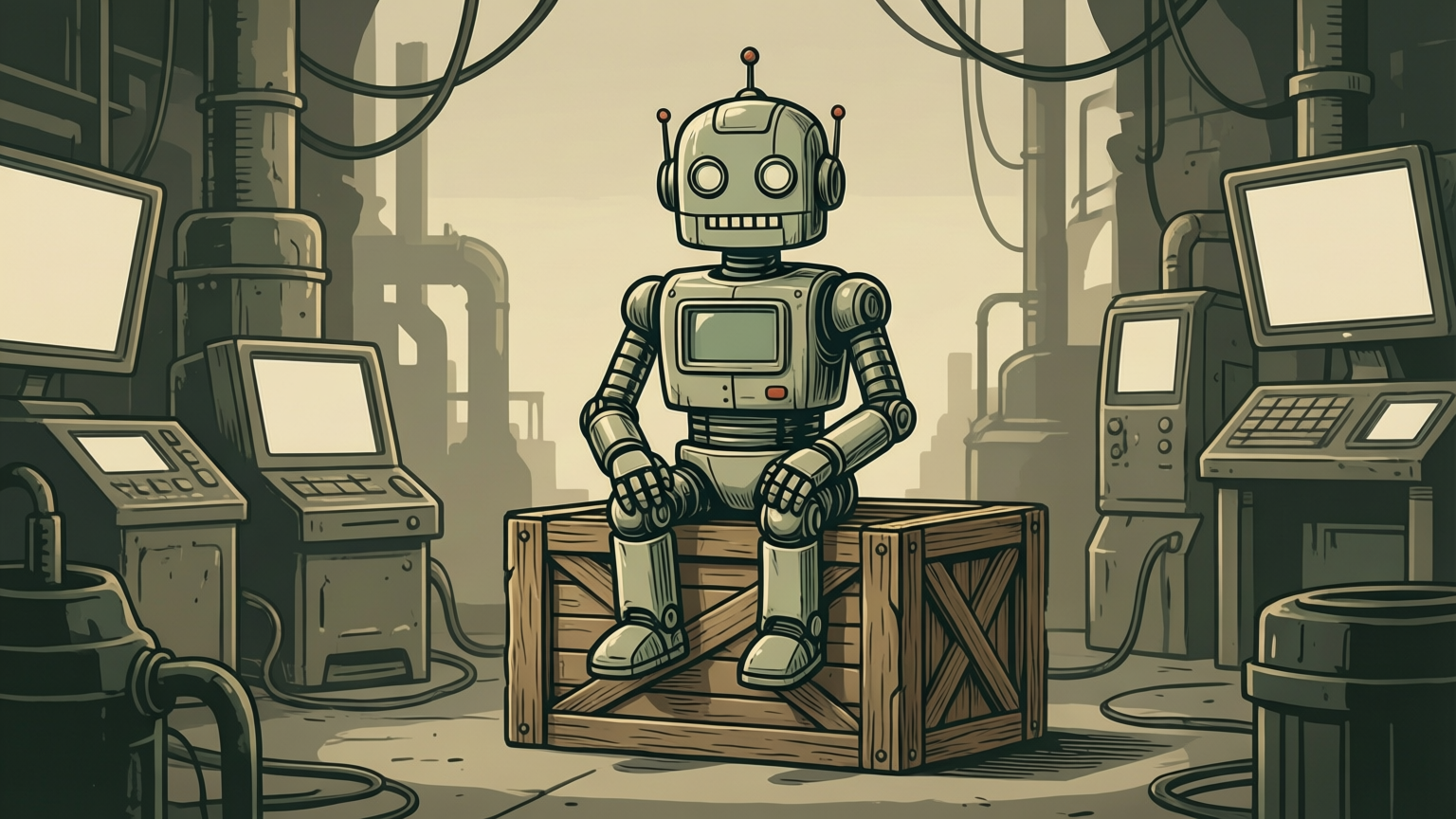
Amanita Design, the Czech studio behind the 2009 cult classic Machinarium, has issued a sharp rebuke of an AI-generated video tribute created by Nura Studios. The controversy began on October 20 when Sylvio Drouin, the CEO of Nura Studios, posted a video on social media that appeared to be a homage to the hand-drawn adventure game.
The video, which was later deleted, utilized artificial intelligence to animate assets from the original game. Amanita Design responded immediately and forcefully on the platform X, criticizing the method used to create the content.
Studio Response to AI Tribute
In a statement posted to X, Amanita Design expressed strong disapproval of the project. The studio described the act of feeding original assets into an AI model to create animations as “slop.” They emphasized that such a method does not constitute a genuine tribute.
“The audacity to feed Machinarium assets to AI, make AI slop animations, and call it a love letter,” the studio wrote. “Love letters are supposed to be handwritten. This looks disgusting and has nothing to do with us or our craft.”
The Czech team is known for its distinct visual style and assertive public stance on creative integrity. The backlash from Amanita Design highlights the tension between traditional game development and the growing use of generative AI in fan-created or promotional content.
Apology and Next Steps
Sylvio Drouin, CEO of Nura Studios, acknowledged the negative reaction and issued an apology. Nura Studios describes itself as an “AI storytelling” company with a mission to empower creators with a human-led AI platform. However, the studio’s website and public materials have faced scrutiny regarding the nature of its output.
Drouin posted a message on X expressing regret for the tribute. “We are so sorry for the post we did,” Drouin wrote. “We thought it was an homage to your amazing work and I already deleted the posts, again please accept our sincere apologies.”
As of the time of reporting, Amanita Design has not publicly accepted the apology. The incident occurs shortly after the studio announced Machinarium 2 earlier in the month. The sequel represents the studio’s continued commitment to its original artistic vision, contrasting with the AI-generated content that sparked the recent dispute.
Source: PC Gamer
