


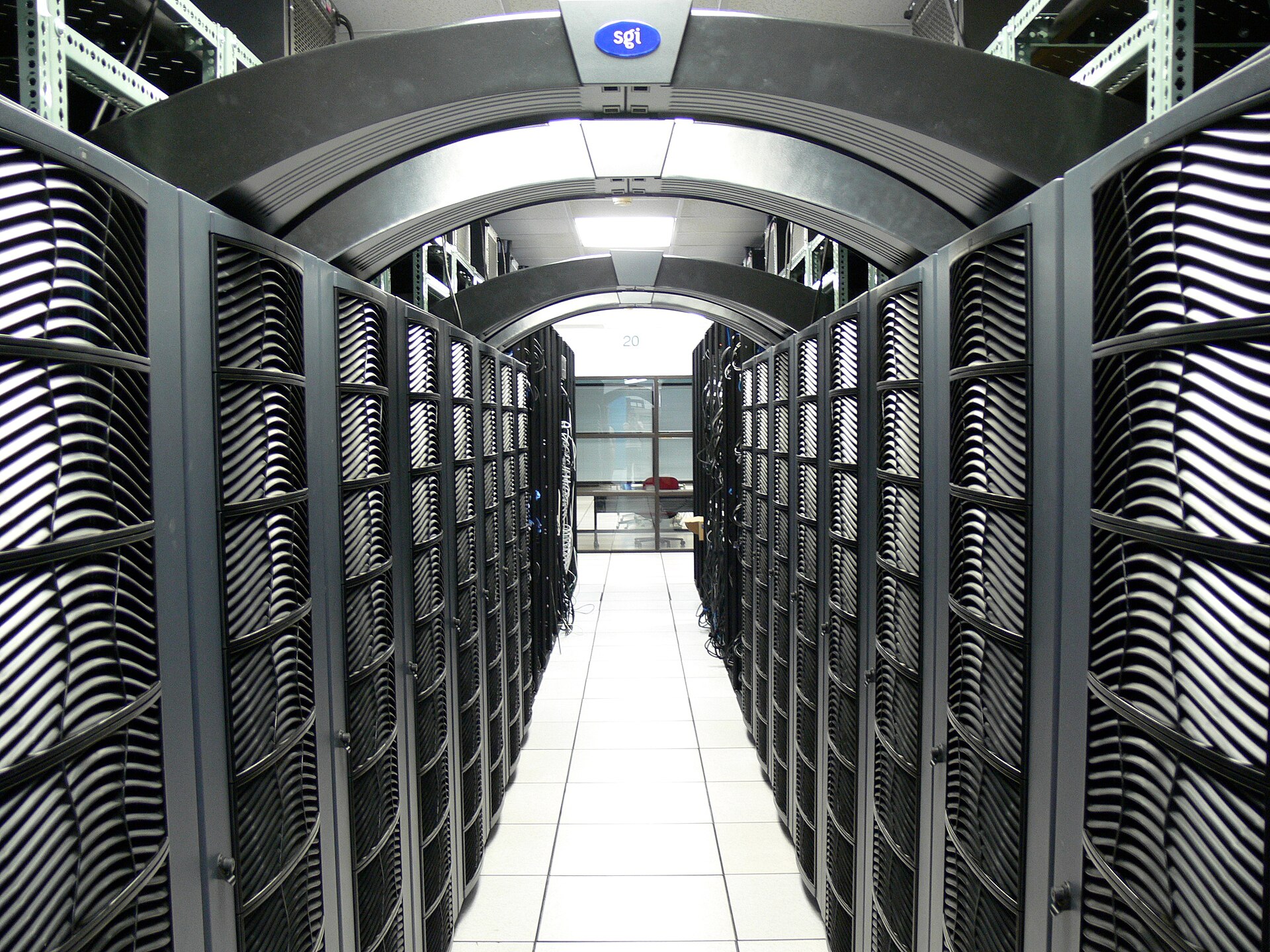
Most executives picture artificial intelligence infrastructure as racks of graphics processing units and massive power consumption. This view overlooks a growing financial burden: the data storage required to support continuous model operations. While training runs are finite projects with clear start and end dates, inference operates constantly. Every prompt, image, or video request leaves behind a trail of data that must be stored, logged, and managed.
Back-End Data Multiplies Output Size
The disparity between user-facing outputs and back-end data footprints is significant. Internal measurements from Western Digital indicate that an 8-second AI-generated video clip, which appears to a user as a 3.97 megabyte file, generates more than 500 megabytes of associated data. This includes system logs, cached context, immediate renders, backups, and safety records. The back-end footprint is 130 times larger than the file the user receives.

This ratio scales dramatically for enterprises producing longer or higher-resolution content. A single clip can leave a footprint of hundreds of gigabytes. As McKinsey projects AI inference demand to grow at a 35% compound annual growth rate through 2030, the volume of retained data will accelerate. This growth is expected to account for more than 40% of total data center demand by the end of the decade.
A recent survey of 763 IT and business decision makers found that nearly 95% reported an increase in data volume due to generative AI over the past year. Roughly 61% of respondents noted growth of 25% or more. This trend suggests that storage spend is growing faster than compute budgets, which typically follow more predictable cycles tied to hardware refreshes and product launches.
Storage Bottlenecks Impact GPU Efficiency
Idle GPUs represent a major financial loss for enterprises. A senior product manager at a hyperscale cloud service provider noted that keeping storage optimized is essential to prevent GPUs from waiting for data. Hours of idle time due to slow data retrieval become extremely expensive very quickly.
The role of retained data is shifting from passive archiving to active use. Information that once sat in cold storage is now frequently retrieved to support inference or retrieval-augmented generation. A survey found that 96% of respondents anticipate needing faster archive retrieval to support these workloads. This requires infrastructure that balances high-performance access with cost-effective capacity.
For chief financial officers and chief information officers, the traditional budgeting model is becoming insufficient. A model that idles while data loads costs as much as one waiting for a GPU. The storage bottleneck often remains hidden until it impacts operating costs and retrieval delays. Organizations that budget for AI as compute plus a minor storage allowance may find that storage costs become a significant fraction of the total program cost within 12 to 18 months.
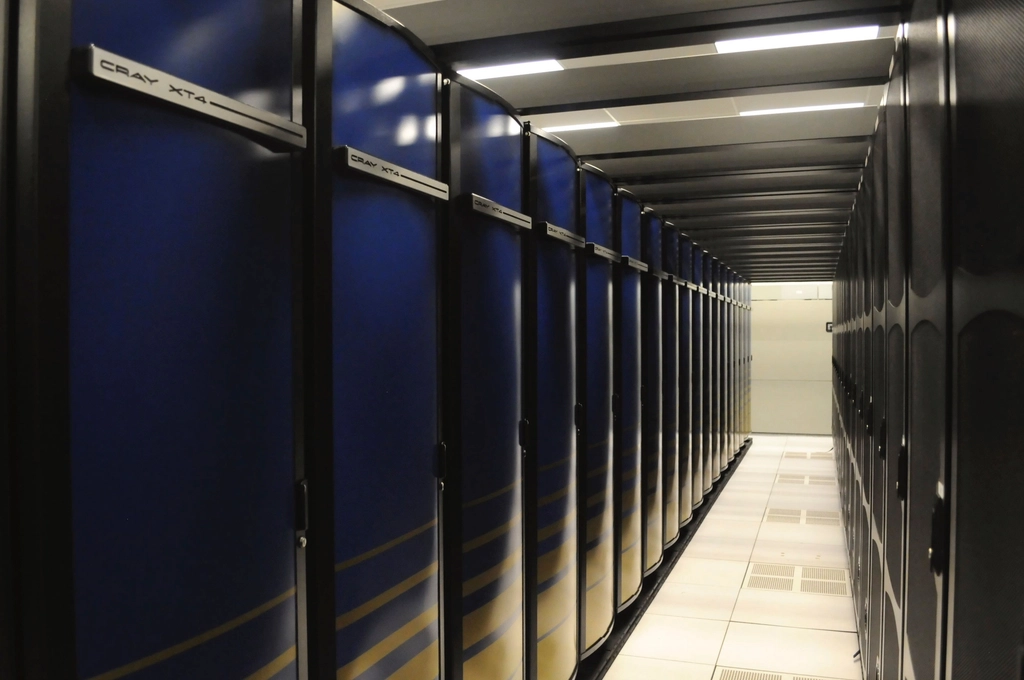
Addressing this challenge requires a comprehensive architecture. Storage strategy must account for the full data lifecycle, including warm, cool, and cold tiers. Hard disk drives provide a cost-effective foundation for the vast volumes of data that must be retained and revisited. Decisions about storage must consider fleet-wide efficiency, power consumption, and reliability rather than individual drive performance. Enterprises need to treat archives as active assets for future AI workloads, setting retention policies based on strategic value rather than original storage costs.
Source: MIT Technology Review
