


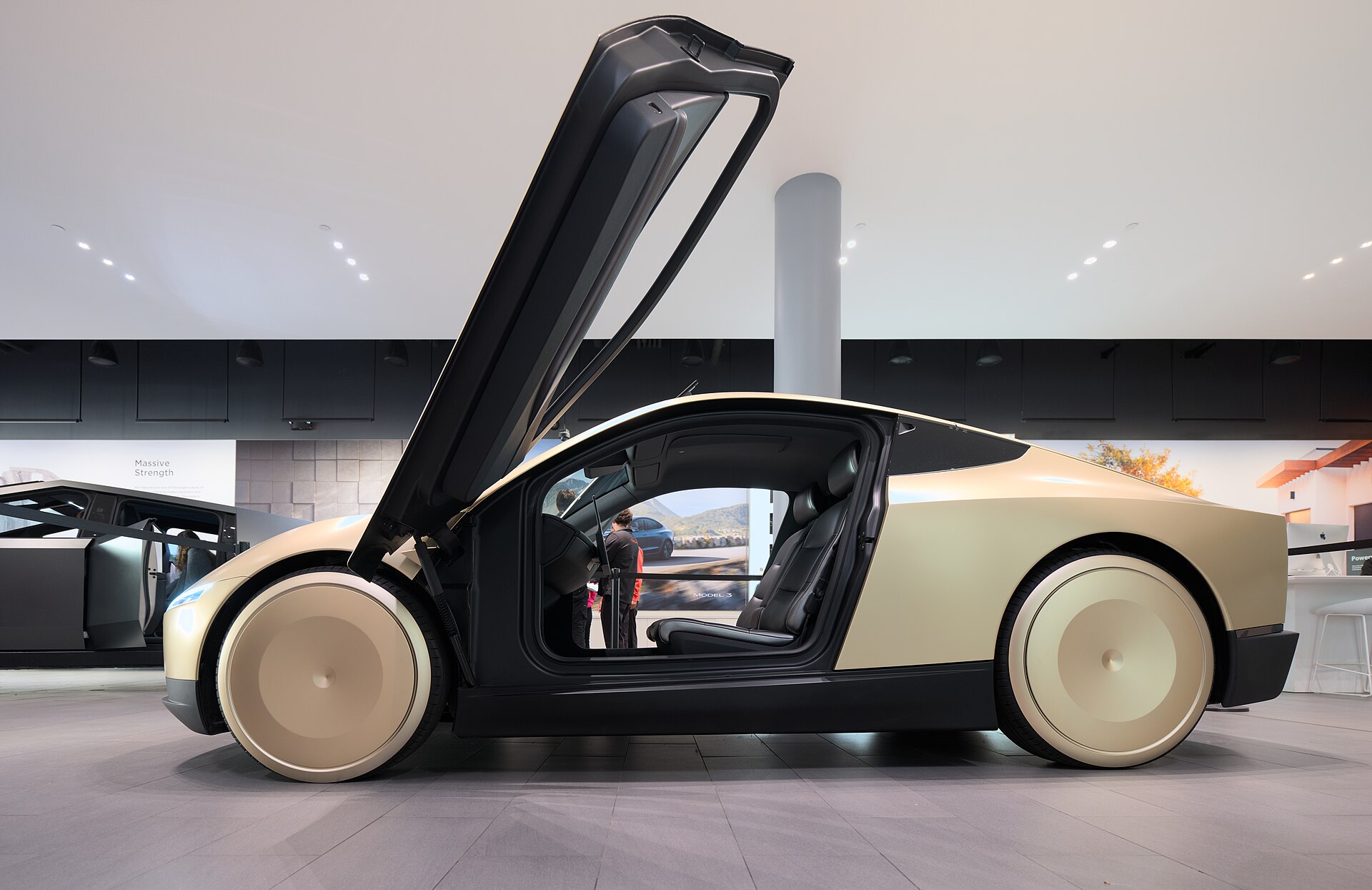
Tesla is moving forward with plans to begin selling its Cybercab to customers before the end of 2026. Lars Moravy, the company’s vice president of engineering, confirmed the timeline during the automaker’s third-quarter earnings call. He stated that the company is “trying to get Cybercabs to customers by the end of this year, 2026.” This marks a significant shift from the vehicle’s initial purpose as a dedicated component of Tesla’s internal ride-hailing network.
Initial Sales Limited to Fleet Operators
Production of the Cybercab is already underway at Tesla’s Gigafactory in Texas. However, Moravy clarified that current manufacturing output is designated for the company’s own robotaxi operations. The initial wave of sales to external buyers will be small and targeted. Tesla is specifically seeking entities capable of purchasing entire fleets to help expand its autonomous ride service network.
Elon Musk acknowledged during the earnings call that the vast majority of Cybercabs will remain essentially Tesla-owned. The company intends to keep these vehicles within its own ride service operations rather than distributing them to individual consumers. This strategy allows Tesla to gather data on the ownership and fleet management of autonomous vehicles in customer hands before scaling up broader sales.
Regulatory Hurdles and Safety Standards
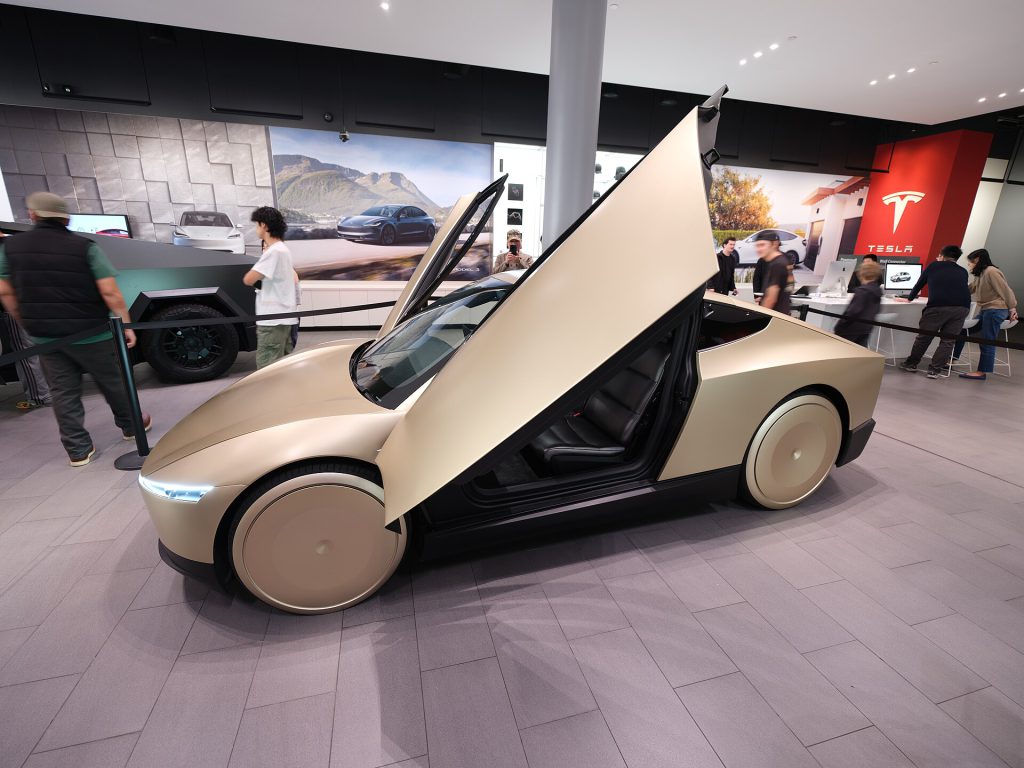
The push to sell the Cybercab comes as the National Highway Traffic Safety Administration (NHTSA) launches a probe into the vehicle. The agency is investigating Tesla’s self-certification process, which the automaker used to declare that the Cybercab complies with all relevant Federal Motor Vehicle Safety Standards. The NHTSA plans to review the data and methods Tesla used to reach this conclusion to determine if the vehicles truly adhere to federal safety requirements.
Tesla began offering Cybercab rides to the public in Austin, Texas, in September. The vehicle lacks a steering wheel and brake pedals, relying entirely on the company’s Full Self-Driving software. Because the unsupervised version of this software is not yet available to consumers, the first Cybercabs sold to external buyers cannot immediately join the Tesla ride-hailing fleet. Current Tesla owners only have access to the supervised version, which requires a human driver to remain attentive and ready to take control.
Timeline for Unsupervised Driving
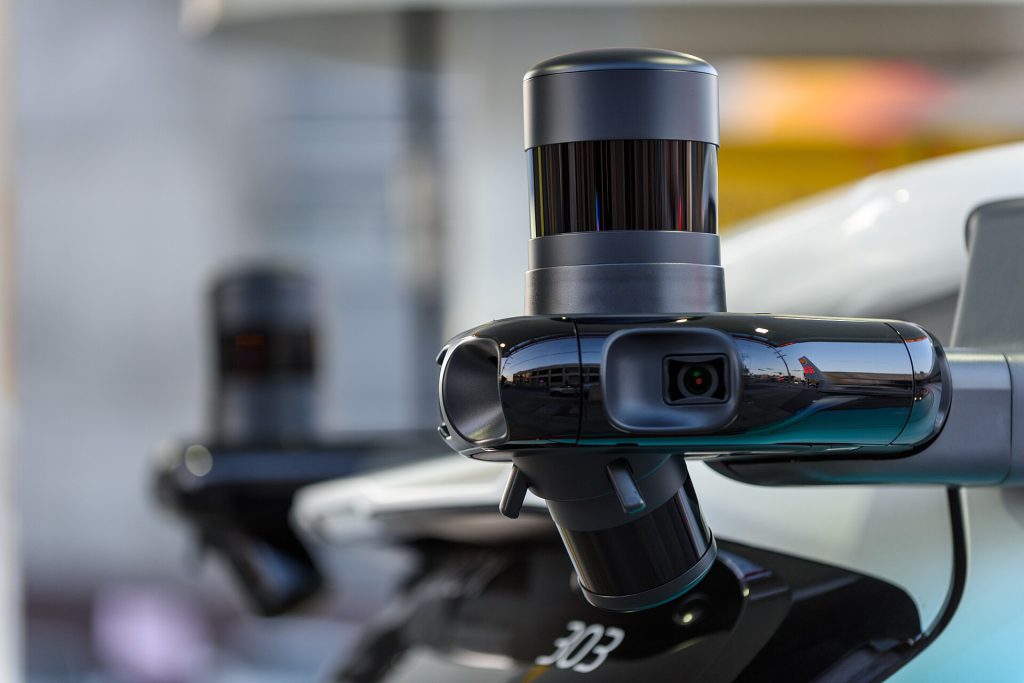
Tesla has outlined a specific timeline for when the Cybercab will be fully autonomous. Ashok Elluswamy, the director of AI at Tesla, said the company believes it can start switching on Unsupervised Full Self-Driving on some of the first customer vehicles to be part of the Robotaxi fleet around the second quarter of 2027. This delay means that early Cybercab owners will not be able to use their vehicles for the company’s ride-hailing service until that software update is deployed.
The company first unveiled the Cybercab in 2024. Since then, it has focused on building out its robotaxi infrastructure and navigating the complex regulatory landscape surrounding autonomous vehicles. The upcoming sales initiative represents a test of both the vehicle’s commercial viability and Tesla’s ability to manage a distributed fleet of driverless cars.
Source: Engadget
