


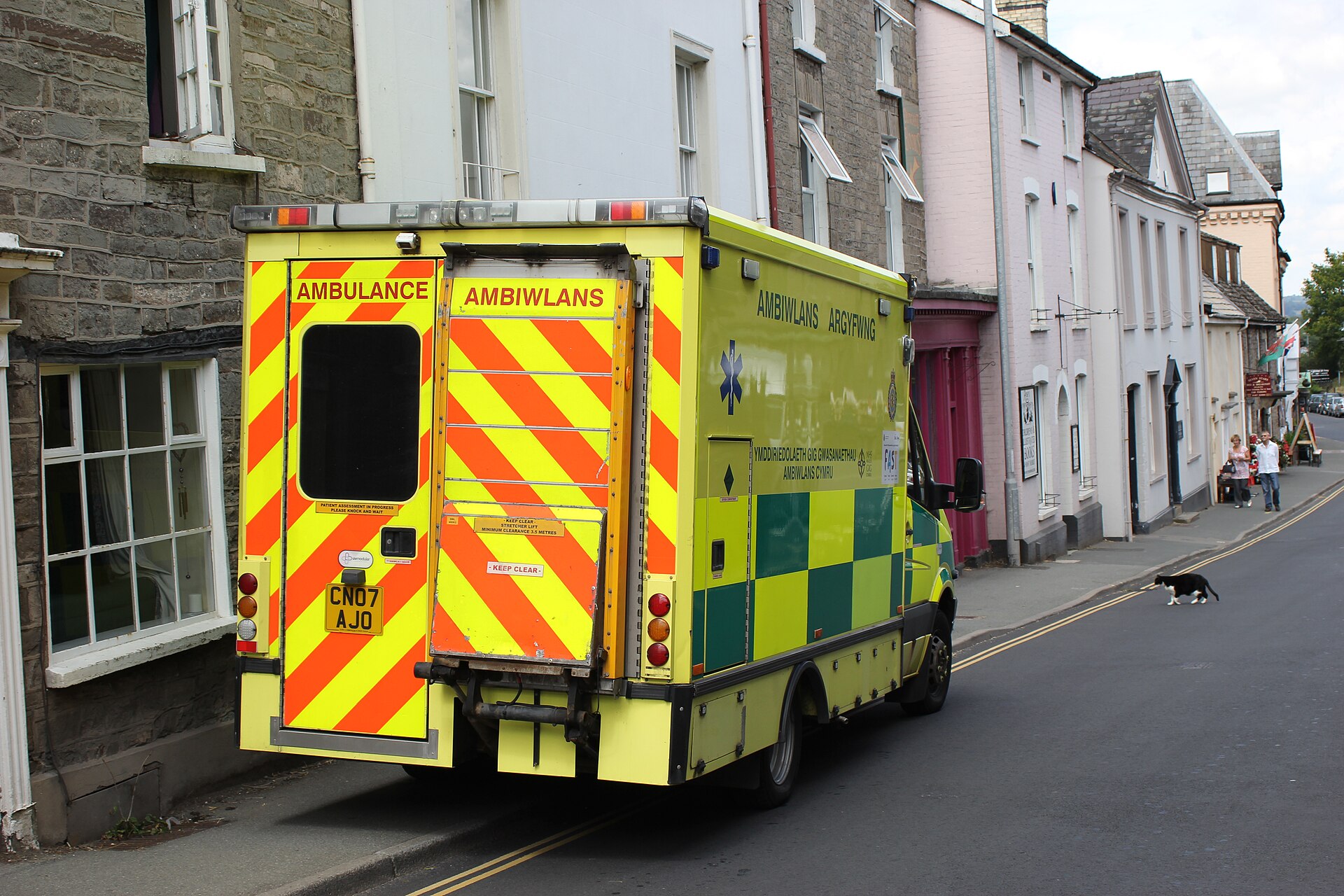
Charles Swift, an 83-year-old recovering cancer patient who has survived two heart attacks, was forced to drive himself for a four-hour round trip to receive medical care. Swift lives in Borth, Ceredigion, but was referred to Withybush Hospital in Haverfordwest, Pembrokeshire, for heart tests in August. The journey covers 70 miles, requiring more than two hours of driving each way.
Swift attempted to arrange non-emergency patient transport through the Welsh Ambulance Services Trust (WAST). However, a call handler refused the request after Swift confirmed he owned a car and was physically capable of walking and climbing stairs. Swift expressed confusion over the decision, noting that his age and medical history made the drive exhausting and potentially dangerous.
Eligibility Criteria and Transport Refusals
The Hywel Dda University Health Board states that patients are generally expected to organize their own travel to and from appointments. Non-emergency transport provided by WAST is reserved for those who meet specific eligibility criteria. These conditions include requiring regular dialysis or cancer treatment, needing a stretcher or oxygen, or requiring travel in a personal wheelchair.
Swift noted that when he inquired about hospital taxis, he was asked a series of questions regarding his physical ability and vehicle ownership. Upon answering affirmatively to all, he was told he would need to use his own car. He described the experience as distressing, particularly given the lack of viable public transport options. Train journeys from Borth to Haverfordwest take a minimum of three and a half hours in each direction, making them impractical for a patient with his health profile.
Swift reported that on another occasion, his scheduled hospital transport was cancelled on a Friday afternoon for an appointment on Monday. This cancellation forced him to cancel the medical appointment entirely. He later received transport for a subsequent visit, which he described as pleasant, but the initial refusal left a lasting impact.
System Strain and Community Response
Mark Harris, assistant director of operations at WAST, stated that the service is facing increasing demand that exceeds available resources. Harris explained that the service is undergoing a significant improvement program to address these pressures. He acknowledged that the initial refusal might have been avoided if more information had been provided during the call. WAST has since updated its training for call-taking staff to ensure better assessment of patient needs.
Councillor Hugh Hughes of Ceredigion highlighted the challenges faced by rural patients. He met with Swift after the first appointment and described the patient as distraught and exhausted. Hughes argued that the health board and ambulance service need to collaborate more effectively to prevent patients from falling through the net. He noted that many services are migrating further south, forcing residents to travel longer distances to access specialist treatment.
Local community transport services are stepping in to fill the gap. Dolen Teifi, a charity based in Llandysul, operates 42 vehicles and 160 volunteer drivers across Ceredigion and Carmarthenshire. Manager Rod Bowen reported that the charity handles approximately 50 hospital journeys per week. He noted a significant increase in calls where hospital transport was cancelled the day before an appointment. Over the past two months, Dolen Teifi received 145 such calls and was able to assist in about one-third of cases.
Bowen emphasized that older patients are often uncomfortable driving to unfamiliar hospitals, especially when journeys extend to 40 or 50 miles. While the non-emergency ambulance service is free, Dolen Teifi charges an average of 57p per mile to cover operational costs. Andrew Carruthers, chief operating officer at Hywel Dda University Health Board, acknowledged the difficulties rural patients face. He confirmed that the board works closely with WAST and is reviewing transport options to improve access for patients requiring specialist treatment.
Source: BBC
