


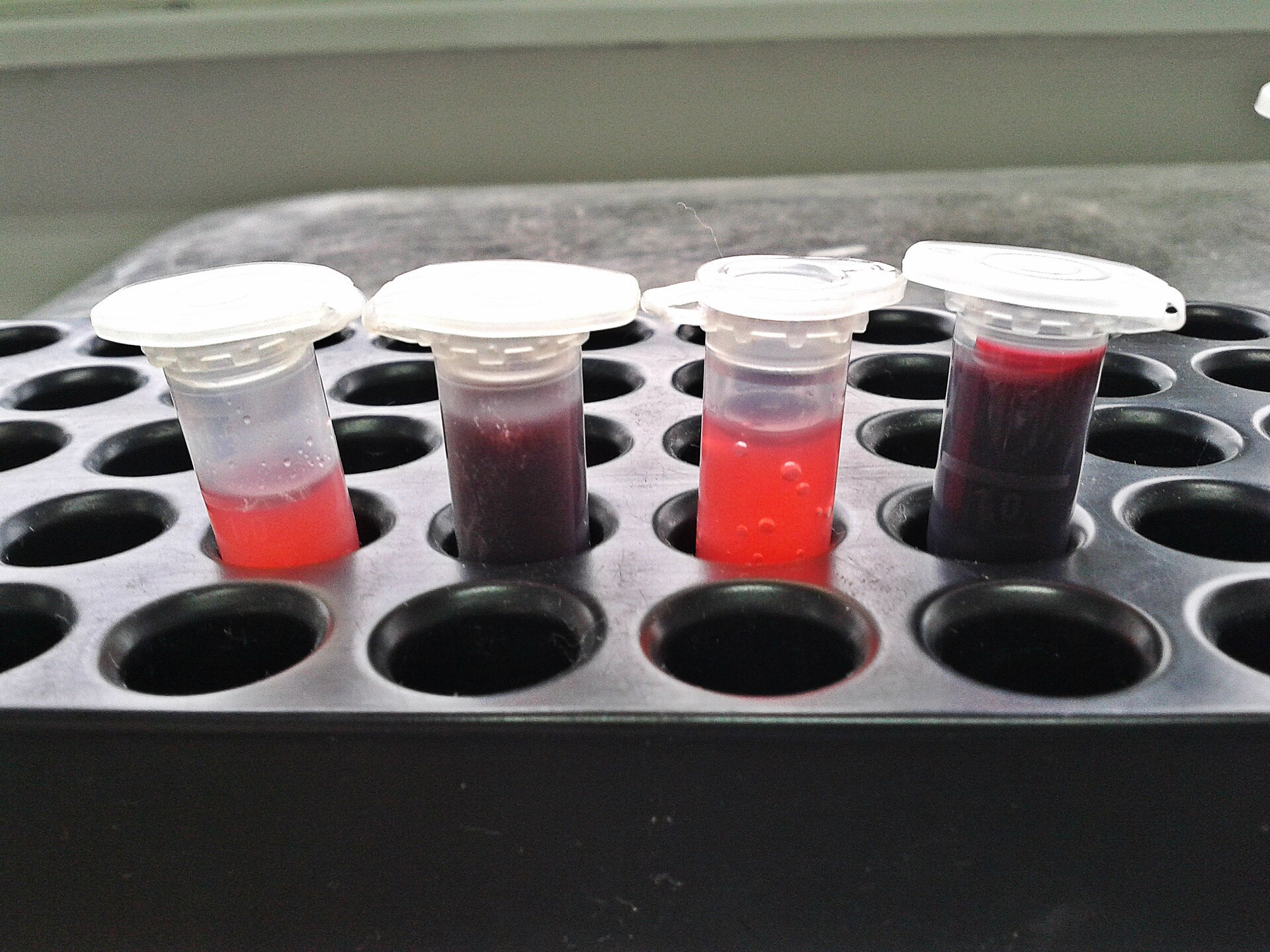
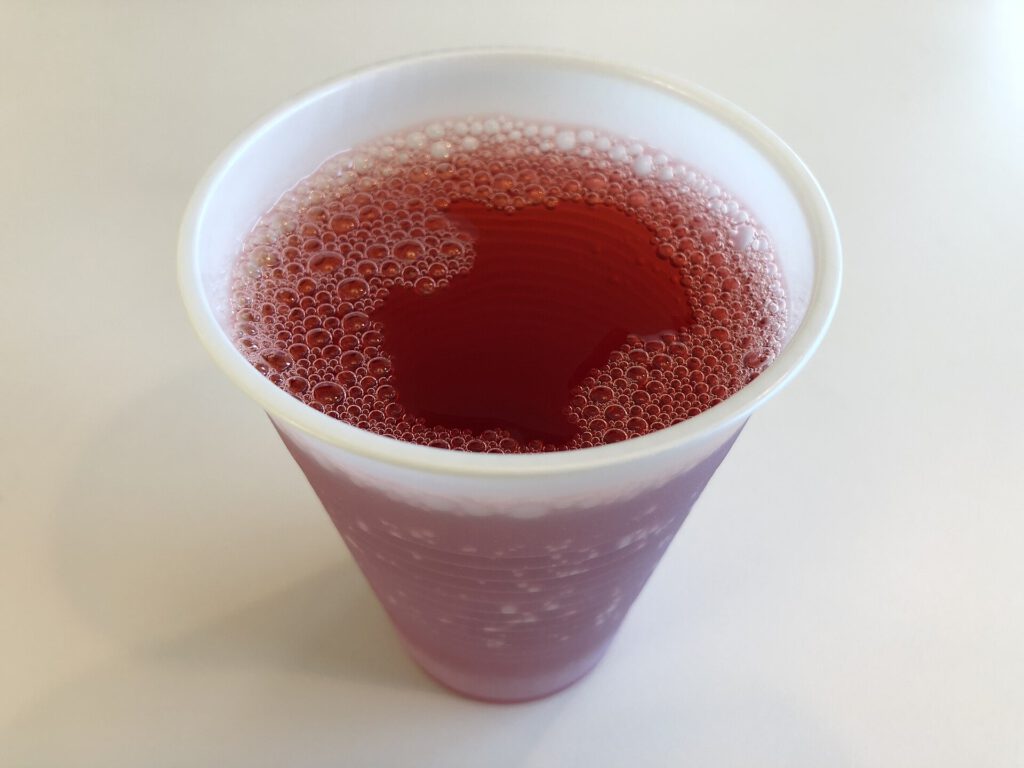
Scientists at the University of Illinois Chicago have found that pure, unsweetened cranberry juice may help protect teeth from decay. The study indicates that the beverage can slow the growth of dental plaque and reduce the production of acids that damage tooth enamel.
Christine Wu, a professor of pediatric dentistry at the university, led the research. She wanted to determine if the natural compounds in cranberries could affect the bacteria responsible for cavities. While cranberry juice is widely known for supporting urinary tract health, its potential role in oral care has received less attention.
How Cranberry Juice Affects Plaque
Cranberries contain proanthocyanidins, compounds that have anti-inflammatory properties. These substances are known to interfere with the ability of certain bacteria, such as E. coli, to attach to cells. Wu hypothesized that these same compounds might impact the microorganisms found in dental plaque.
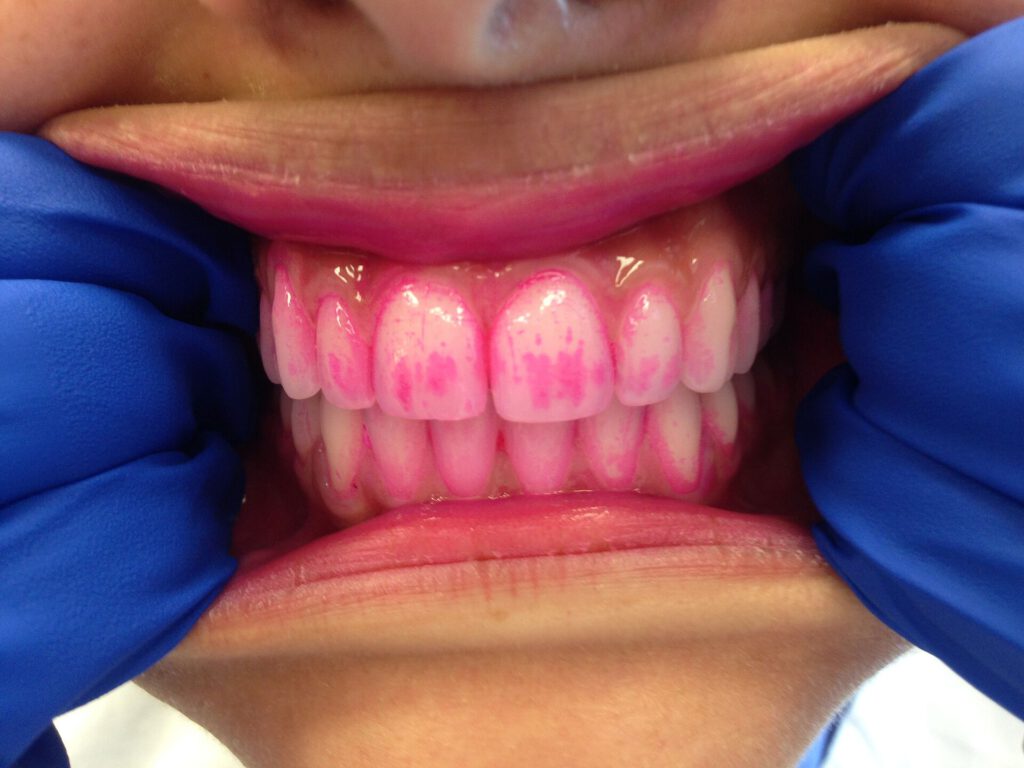
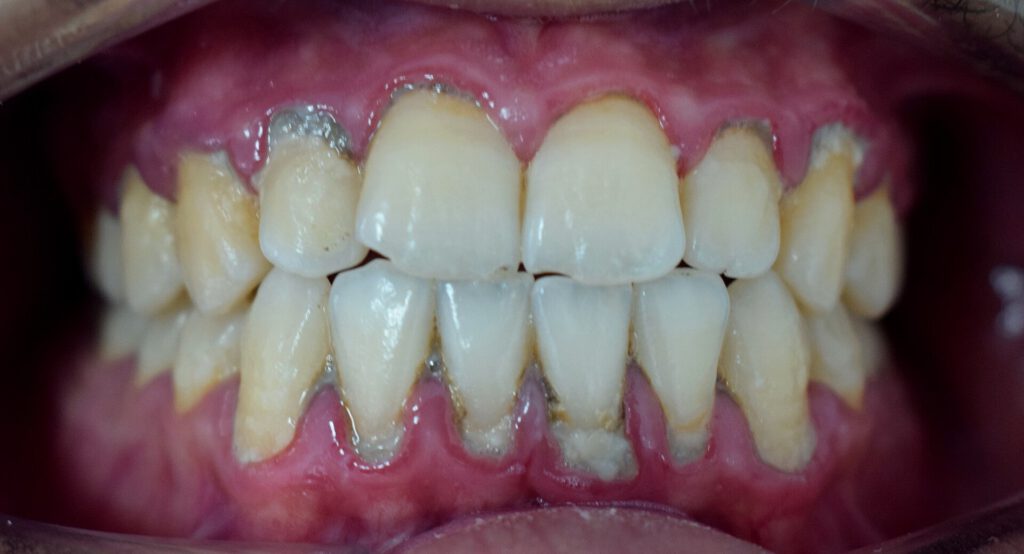
Oral bacteria feed on sugars from food and drinks. As they digest these sugars, they produce acids that gradually weaken tooth enamel. This process is a primary driver of cavities. The researchers aimed to see if cranberry juice could interrupt this cycle.
Instead of using isolated extracts, the team tested pure cranberry juice. This approach reflects how consumers typically use the product. Wu noted that most previous studies used laboratory-prepared extracts, which do not represent real-world consumption.
Study Results and Participant Data
The study involved 22 participants, including 14 children and eight adults. Researchers divided the group into three categories. One group drank pure, unsweetened 100% cranberry juice. A second group consumed a cranberry juice cocktail with 27% juice and added sugar. The third group drank plain water.
Participants arrived with plaque that had accumulated overnight. Researchers collected initial samples using cotton swabs. After rinsing, participants swished their assigned beverage in their mouths for a short period before swallowing. Thirty minutes later, researchers collected new samples from different areas of the mouth.
The results showed that plaque exposed to pure cranberry juice grew more slowly than unexposed samples. The beverage also reduced acid production in the plaque of both children and adults. This reduction is significant because acids are the main cause of enamel erosion.
Wu stated that the findings suggest cranberry juice may interfere with two key processes in tooth decay: bacterial plaque buildup and damaging acid production. This effect was not seen with other common fruit juices like orange or apple juice in similar contexts.
Limitations and Future Research
Despite the promising results, the study had limitations. The sample size was small, and the testing period lasted only 30 minutes. The researchers emphasized that these short-term effects do not prove that regular consumption prevents cavities over time.
Larger studies conducted over longer periods are needed to confirm these findings. Wu suggested that pure cranberry juice could eventually be developed as a functional beverage for oral health. She noted that the intense tartness of the juice might be a barrier for some consumers.
To improve palatability, Wu proposed using sugar substitutes. This modification could make the beverage more acceptable to the general public while retaining its potential benefits. The research was published in the journal Scientific Reports.
Source: ScienceDaily
