


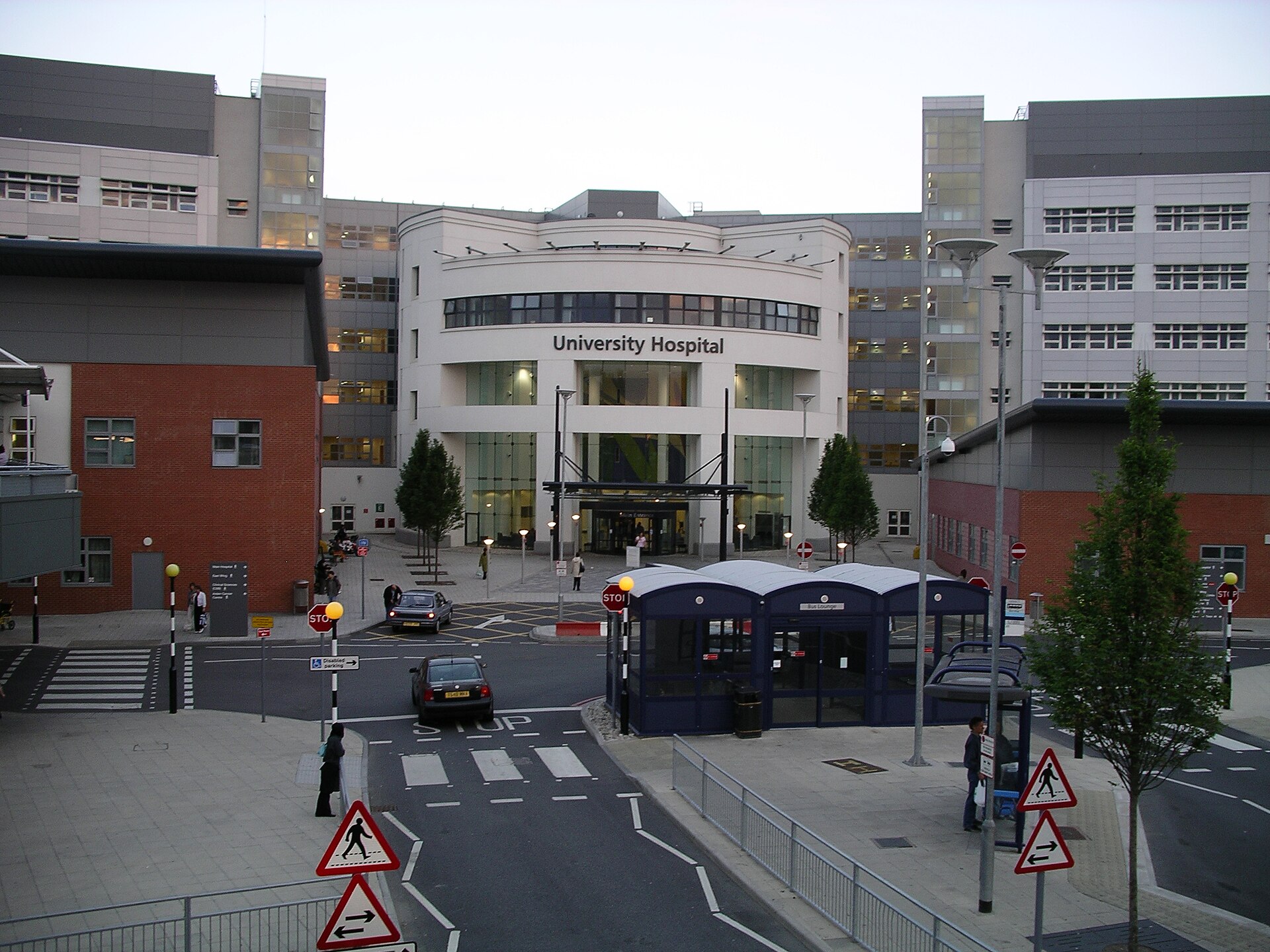
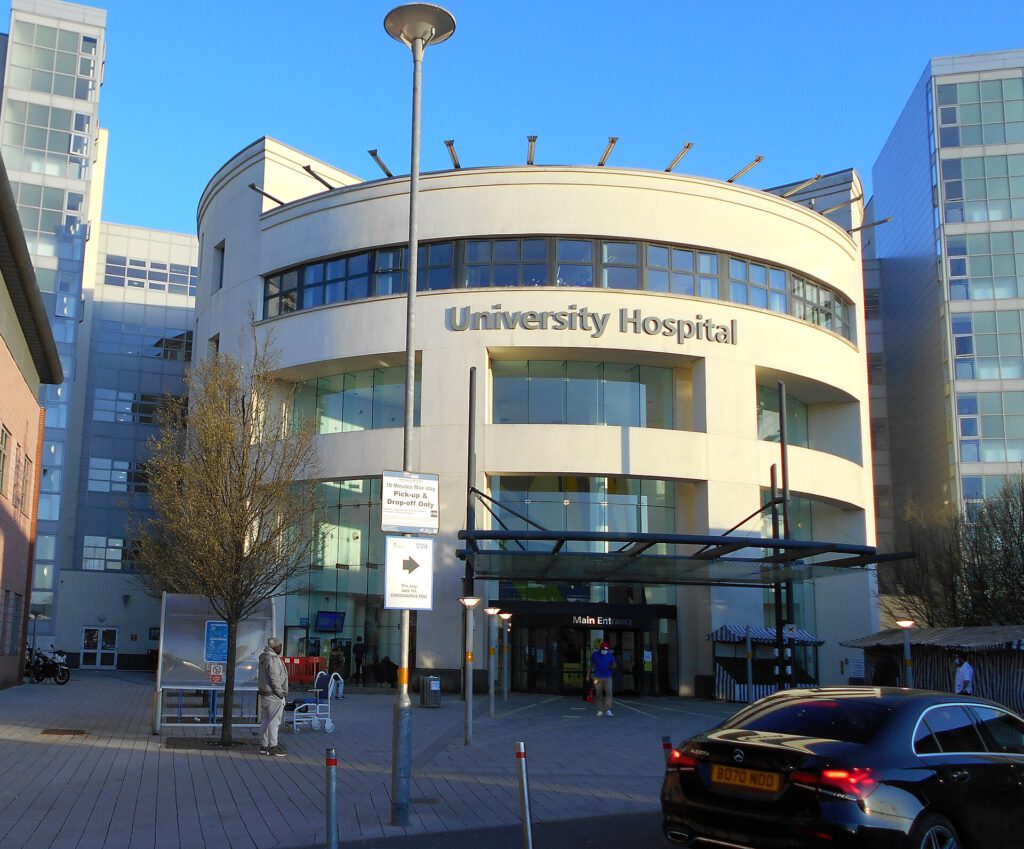
Cancer patients at University Hospitals Coventry and Warwickshire NHS trust were severely harmed by years of unnecessary chemotherapy, according to a new report. The findings detail how patients received inappropriate treatment courses and were misdiagnosed, leading to significant physical and emotional distress.
The Royal College of Physicians (RCP) commissioned the investigation after colleagues raised concerns about the practice of Prof Ian Brown, a clinical oncologist who retired in 2023. The report examined the cases of 20 brain tumour patients and found that fifteen received unsatisfactory care, while five cases required improvement.
Long-term treatment without benefit
Investigators found that patients were placed on long-term, repeated cycles of the chemotherapy drug temozolomide (TMZ). This duration far exceeds the standard course of treatment and lacks evidence of clinical benefit. In several instances, patients remained on the drug despite their cancer progressing, missing the opportunity to transition to supportive care for symptom management.
One patient received more than ten years of chemotherapy after being incorrectly diagnosed with glioblastoma, a deadly brain cancer. The diagnosis was later corrected to grade-1 pilocytic astrocytoma, a low-grade tumour with a potentially normal life expectancy that does not require chemotherapy. Another patient endured a decade of treatment, suffering significant toxicity including fatigue, nausea, and severe shingles that required hospital admission.
Becky Jones, one of the affected patients, received over 100 cycles of chemotherapy over ten years. She was incorrectly told she had between six and 12 months to live after a misdiagnosis of grade-4 glioblastoma. Jones stated that she questioned why she continued treatment when her scans were stable, but was repeatedly told that stopping would be fatal.
“For years, I questioned why I was still being given chemotherapy when my scans were stable, but I was repeatedly told that without it I would die,” Jones said. “I now need a full and honest explanation of what happened to me.”
Trust leadership responds to findings
Leaders at the trust have issued an apology for the failures within the neuro-oncology service. Chief executive Prof Andy Hardy and chair Sue Noyes expressed deep regret for the distress and loss of trust experienced by patients and their families.
“These findings make for extremely difficult reading and raise serious questions about individual clinical decisions and historical governance,” the leaders said in a statement. “We will learn from this openly, transparently and with the utmost urgency.”

The RCP report recommends that the trust ensure all living patients treated with more than 12 cycles of TMZ have their cases independently reviewed. The legal firm Brabners, representing more than 40 patients, is calling for an independent public inquiry into the matter.
Patients affected by the report have described the findings as validating but painful. Many are now seeking clear explanations for the prolonged treatment and the missed opportunities for care review. The trust has committed to taking meaningful action to address the issues identified in the report.
Source: The Guardian
