


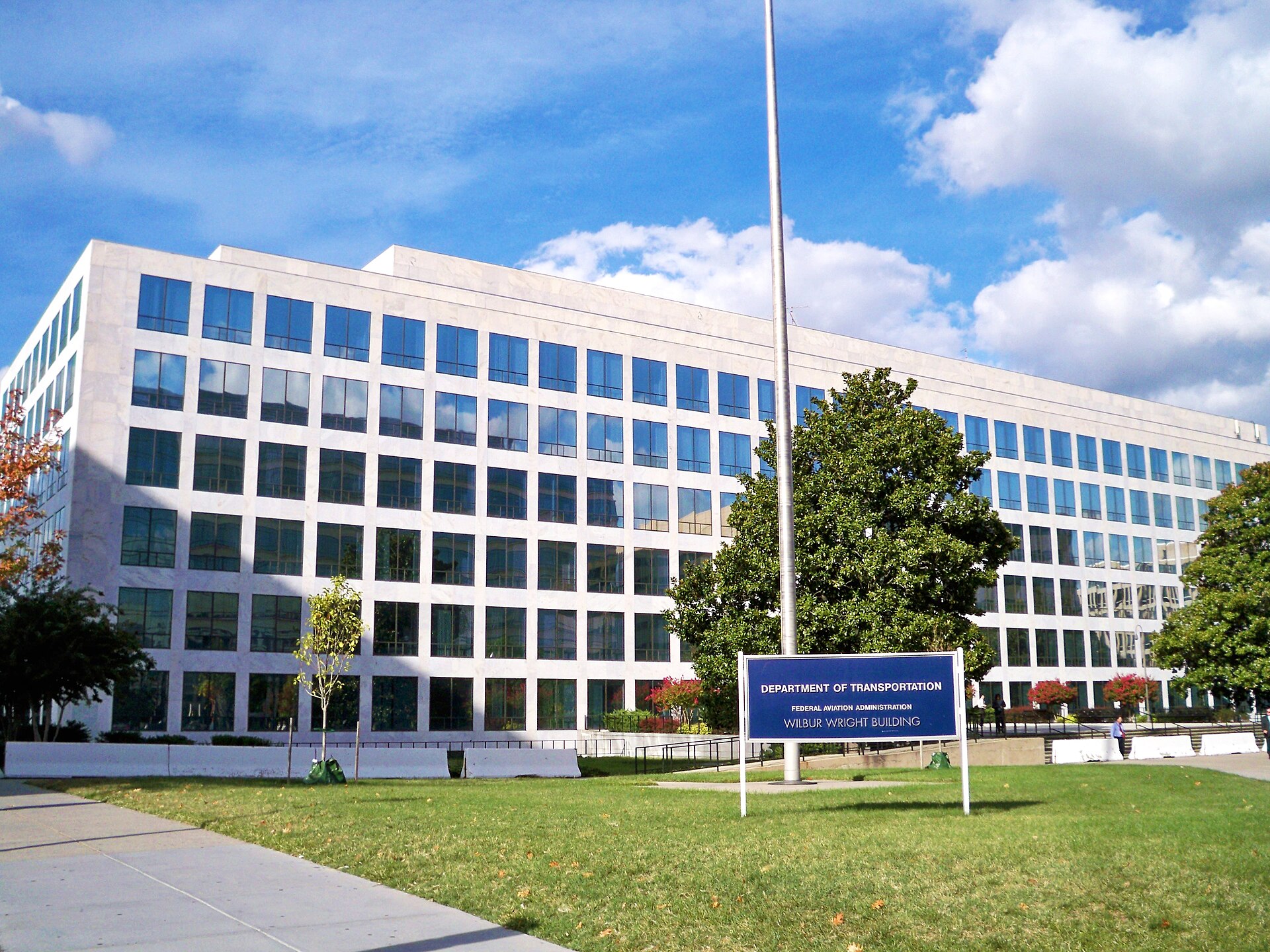
Flight schedules across the United States have returned to normal operations following one of the most disruptive weekends in recent aviation history. The Federal Aviation Administration (FAA) lifted a rare nationwide ground stop that grounded thousands of planes, clearing the way for the upcoming Thanksgiving travel period. More than 18,000 flights were canceled between Friday and Sunday, creating significant chaos for millions of passengers. Industry observers note that the immediate crisis has passed, with no expected spillover effects into the holiday week.
FAA Administrator Acknowledges System Fragility
Despite the return to routine, the underlying vulnerabilities of the national airspace system remain a source of intense concern. FAA Administrator Bryan Bedford addressed the root causes of the recent disruption during an interview with CBS News. He admitted that the technology powering air traffic control is significantly aged and prone to failure.
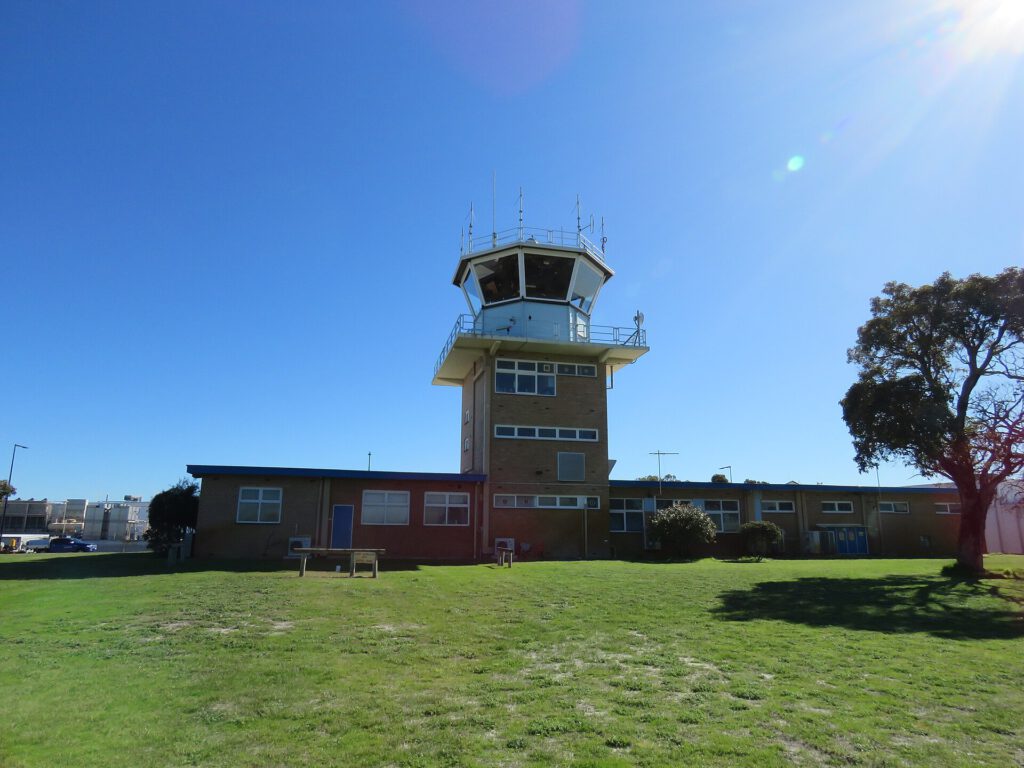
“I can say with certainty that the system is really, really old,” Bedford said. “Let’s not kid ourselves. This system has been fragile, and it does go down.” The recent outage was triggered by a routine router replacement that inadvertently caused a chain reaction, halting flights nationwide. This incident marks the second nationwide ground stop since 2023, a stark contrast to the more than 20 years of uninterrupted operation that followed the September 11 attacks.
Staffing Shortages and Infrastructure Costs
The technical failures are compounded by chronic labor shortages within the air traffic control workforce. Controllers routinely work six-day weeks and mandatory overtime to manage the volume of air traffic. This strain was a major factor in the mass cancellations during last fall’s government shutdown and contributed to weeks of delays at Newark Liberty International Airport in 2025.
Efforts to modernize the system have gained some traction. Congress previously earmarked $12.5 billion for infrastructure upgrades, and the Department of Transportation has begun the work. However, officials state that this amount is insufficient for sweeping changes. United Airlines CEO Scott Kirby emphasized the need for full staffing and adequate funding to modernize technology. Securing additional resources will require political negotiation in Washington, D.C., particularly with a divided government set to take office in January.
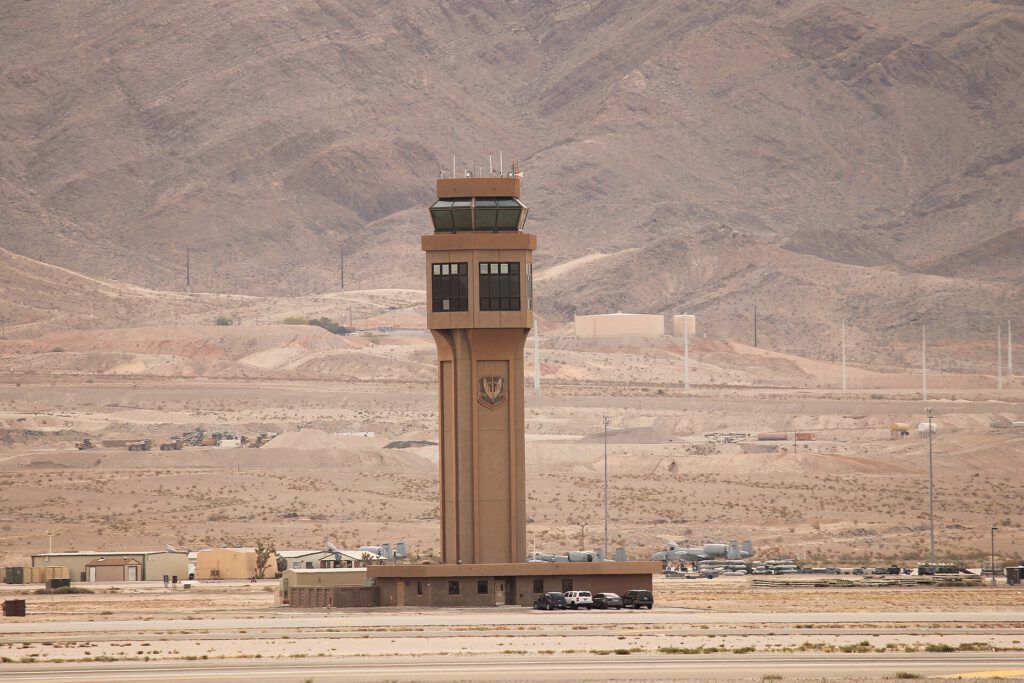
Overhauling aviation infrastructure while maintaining daily operations is a complex logistical challenge. Capt. Shem Malmquist, a Boeing 777 captain and visiting professor at the Florida Institute of Technology, noted that transitions must be carefully tested. He warned that an upgrade intended to solve one problem can inadvertently introduce new risks if not managed correctly.
Safety Remains High Despite Disruptions
Industry experts maintain that air travel remains remarkably safe, even during periods of systemic stress. Every plane that was airborne during the recent FAA disruption landed safely. The decision to halt flights was ultimately a protective measure to prevent potential accidents on the ground or in the air.
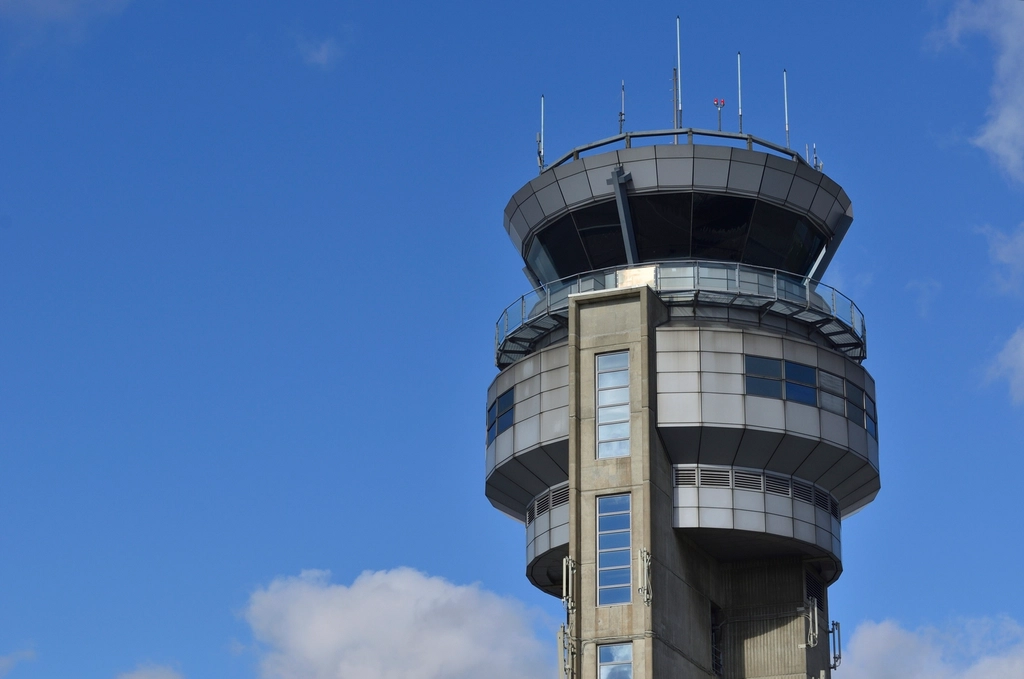
“Passengers experience delays and cancellations, but those restrictions help keep the system safe,” Malmquist said. “That doesn’t mean the underlying vulnerabilities are acceptable.” The aviation sector continues to push for long-term solutions to these persistent issues, recognizing that the current state of infrastructure poses ongoing risks to both efficiency and safety.
Source: The Points Guy
