


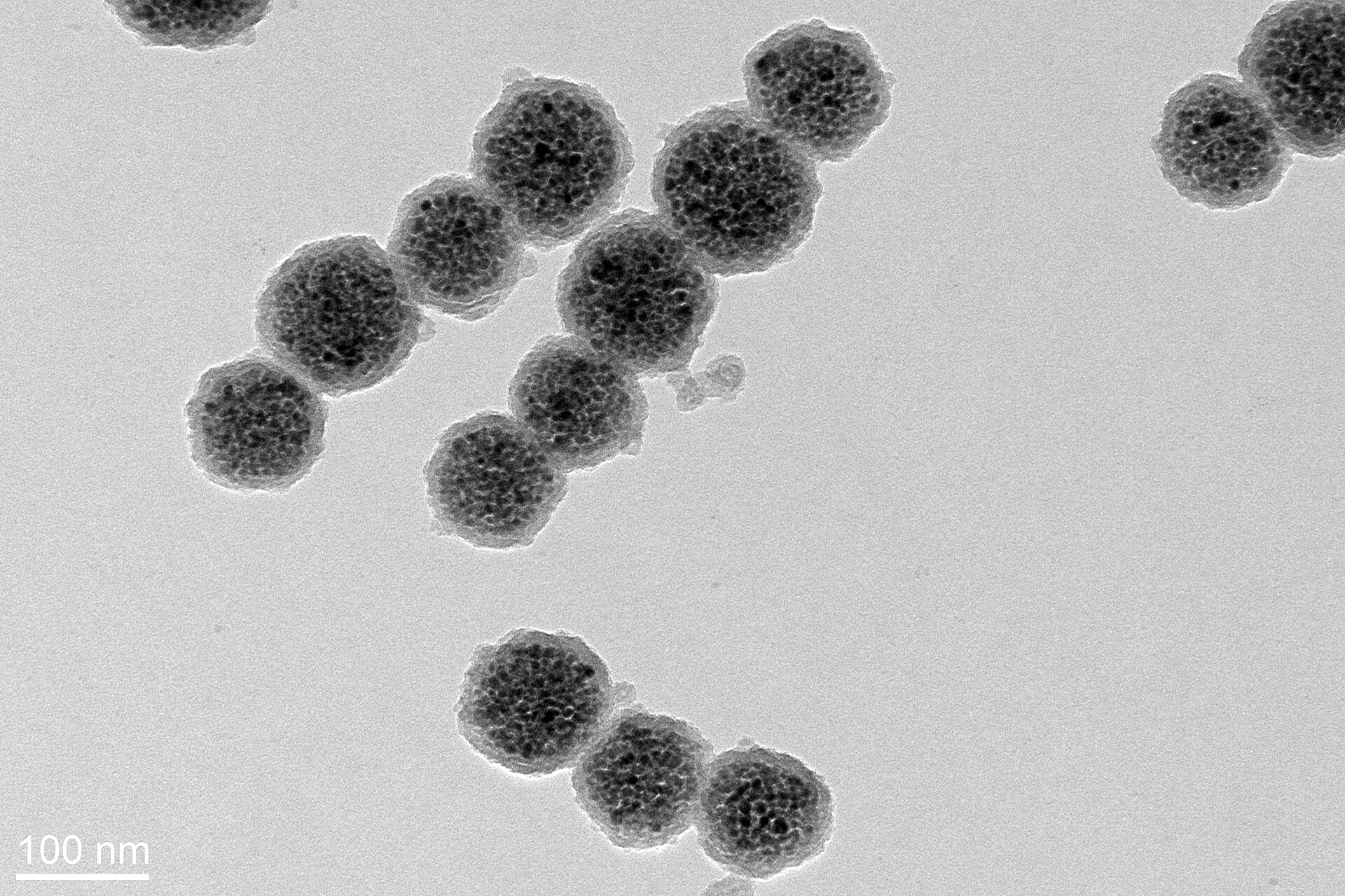
An international team of researchers has created a new method to treat Parkinson’s disease by using magnetic fields and tiny particles to stimulate deep brain regions. The technique, detailed in the journal Advanced Science, offers a potential alternative to traditional deep brain stimulation, which requires surgically implanted electrodes. In tests on mice with Parkinson’s-like symptoms, the approach significantly improved movement issues without the need for permanent hardware.
Magnetic Stimulation Replaces Electrodes
Traditional deep brain stimulation involves implanting a device under the collarbone, connected to electrodes placed deep inside the brain. These electrodes deliver electrical pulses to the subthalamic nucleus, a region critical for movement control. While effective for many, the procedure is complex and not suitable for all patients.
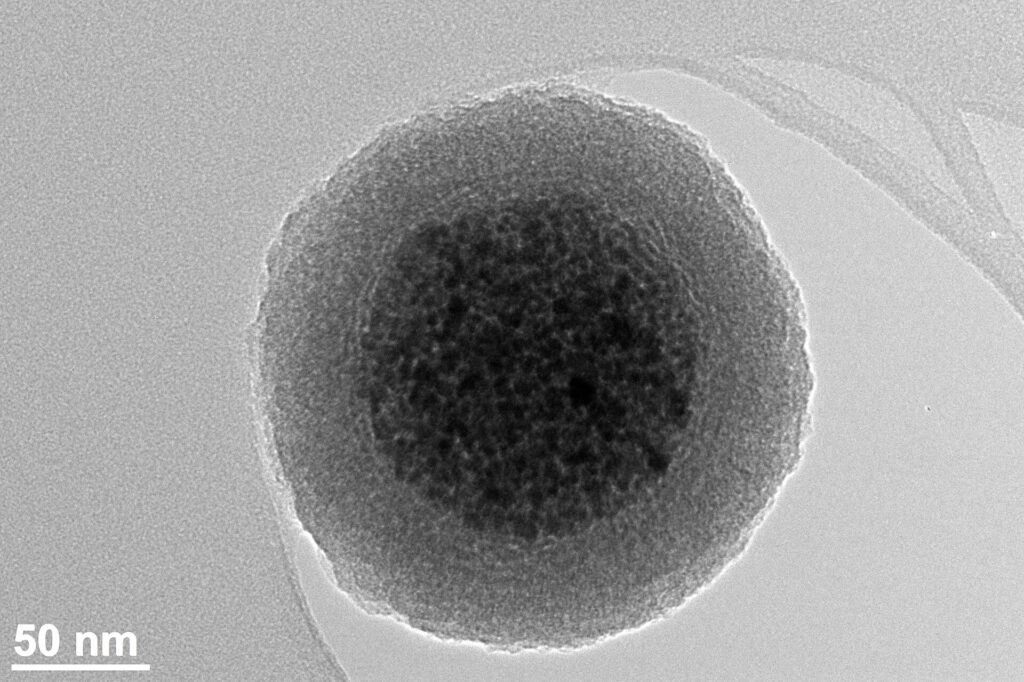
Prof. Dr. Danijela Gregurec from Friedrich-Alexander-Universität Erlangen-Nürnberg (FAU) noted that the complexity of the surgery deters some patients. The new approach avoids permanent implants by injecting magnetic nanoplatelets directly into the targeted brain area. When an external magnetic field is applied, these particles generate tiny mechanical forces. These forces gently deform nearby nerve cell membranes, opening specialized channels that allow ions to enter. This process alters the electrical activity of the neurons, effectively stimulating the brain circuits responsible for movement.
Results in Mice Match Traditional Methods
The research team, which included partners from RWTH Aachen, the University of Maastricht, and the University of Leuven, tested the technology on mice. The animals had damage to dopamine-producing nerve cells, mimicking the condition in humans. Using precise stereotactic injection techniques, the researchers delivered the nanoparticles to the subthalamic nucleus.
After applying the magnetic field, the mice showed significant improvements in their movement deficits. Gregurec stated that the effect was roughly equivalent to what would be expected after implanting a traditional brain pacemaker. The nanoparticles remained stable in the brain for several months without causing inflammation, suggesting they are well-tolerated by the tissue.
Despite the success, the current method still requires direct brain injection. The researchers are now exploring ways to make the procedure even less invasive. One possibility involves developing particles that can be injected into the bloodstream and cross the blood-brain barrier. This would eliminate the need for direct brain surgery.
Future Developments and Clinical Use
The team is also working on compact wearable devices, such as a headband, to generate the necessary magnetic fields. This would allow patients to adjust their treatment parameters more easily. Gregurec emphasized that the new method is likely to be simpler and cheaper than conventional brain pacemakers, while offering greater flexibility in controlling the nanoparticles.
While the technology shows promise, it remains in the early stages of development. Several more years of research are needed before it can be considered for clinical use in humans. Beyond medical applications, the technique could serve as a valuable tool for scientists studying how mechanical forces influence brain activity at the cellular level.
Source: ScienceDaily
