


The European Union and Canada have launched what they described as an Alliance for the Future, a move designed to deepen ties between the two partners as global economic conditions become more volatile. The announcement came during a summit in Montreal on Friday, where officials signed a digital trade deal and several other agreements.
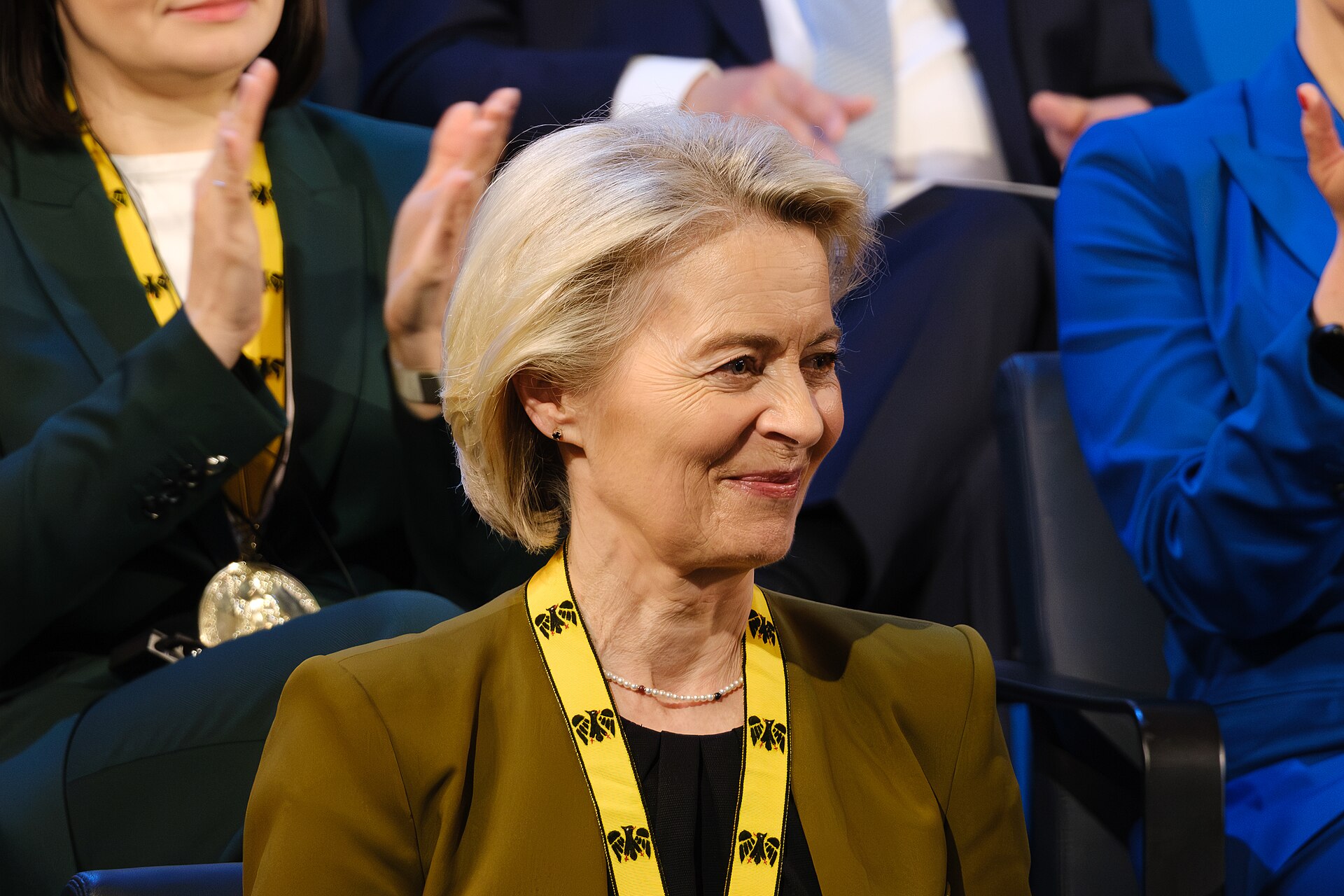
Prime Minister Mark Carney hosted the Canada-EU summit, which also included European Commission President Ursula von der Leyen and European Council President Antonio Costa. The gathering marked a significant diplomatic effort to strengthen relations between Ottawa and Brussels, particularly as United States President Donald Trump continues to threaten trade tariffs against Washington’s traditional allies.
Associate Member Status and Digital Trade
During the summit, Canada prepared to become the bloc’s first so-called associate member. The term associate member has no legal basis and is contested by some EU states, but its use underscores the desire of Canada and the EU to forge closer relations. Carney posted on X that the partnership would be far from full membership but would establish the closest possible ties.
Alongside the broader alliance announcement, the two sides signed a digital trade deal. This agreement is part of more than twenty measures aimed at increasing affordability and creating opportunities on both sides of the Atlantic. The deal represents a concrete step toward regulatory cooperation in the digital sector, though specific details on the scope of the trade agreement were not fully elaborated in the joint statement.
Carney stated that the summit had taken a major step forward by establishing measures that would ensure sovereignty for both nations. The focus on sovereignty reflects a broader shift in how both the EU and Canada view their economic and political independence in a fragmented global landscape.
Critical Minerals and Ukraine Support
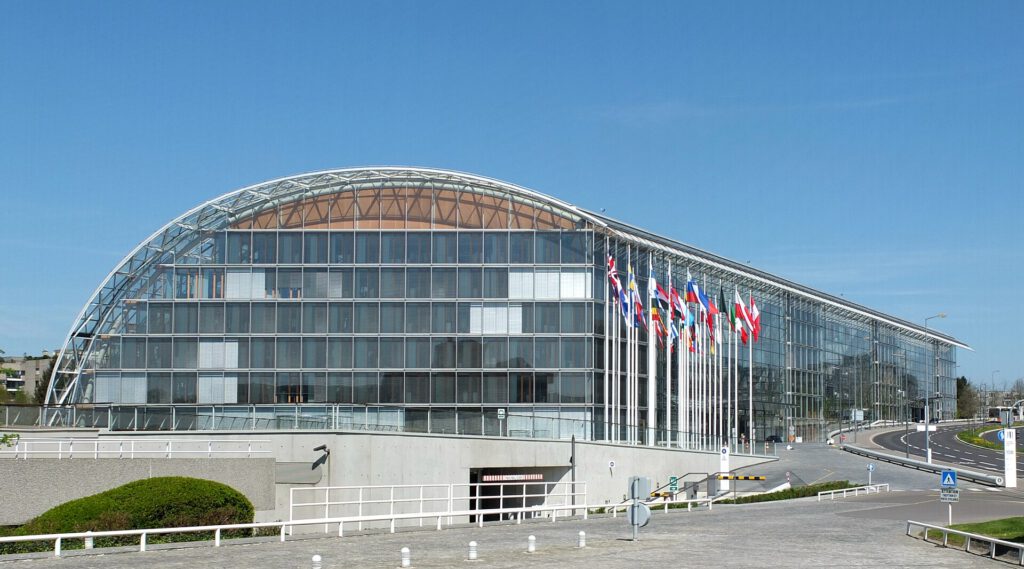
A key component of the new alliance involves economic security through resource management. In a joint statement, the two sides announced an agreement under which the European Investment Bank will invest in critical Canadian resources, particularly raw minerals. This move is intended to secure supply chains for materials essential to modern technology and defense industries.
The joint statement emphasized that true sovereignty now requires secure access to critical minerals, semiconductors, payment systems, energy, vaccines, space-based communications, and artificial intelligence. The statement noted that a more dangerous and divided world has fundamentally changed the requirements of sovereignty, making it no longer enough for nations to simply feed, fuel, and defend themselves.
Ukraine was also a central topic on the meeting agenda. Carney announced Canada’s participation in the EU’s 90 billion euro support loan for Kyiv. Canada will make an initial contribution of 500 million euros to this effort, signaling continued commitment to supporting Ukraine despite the focus on economic ties with Europe.
Education and youth exchange were also discussed, with both sides agreeing to launch negotiations aimed at deepening Ottawa’s participation in Erasmus+, the EU’s flagship student exchange programme. This initiative aims to provide more opportunities for students in Canada and the EU to study and work abroad.
The summit took place against the backdrop of an ongoing trade dispute between Carney and Trump. Talks are currently under way to reach a deal between the two countries, but the EU-Canada alliance suggests that Canada is actively seeking to diversify its economic partnerships and reduce reliance on the United States.
Source: Al Jazeera
