


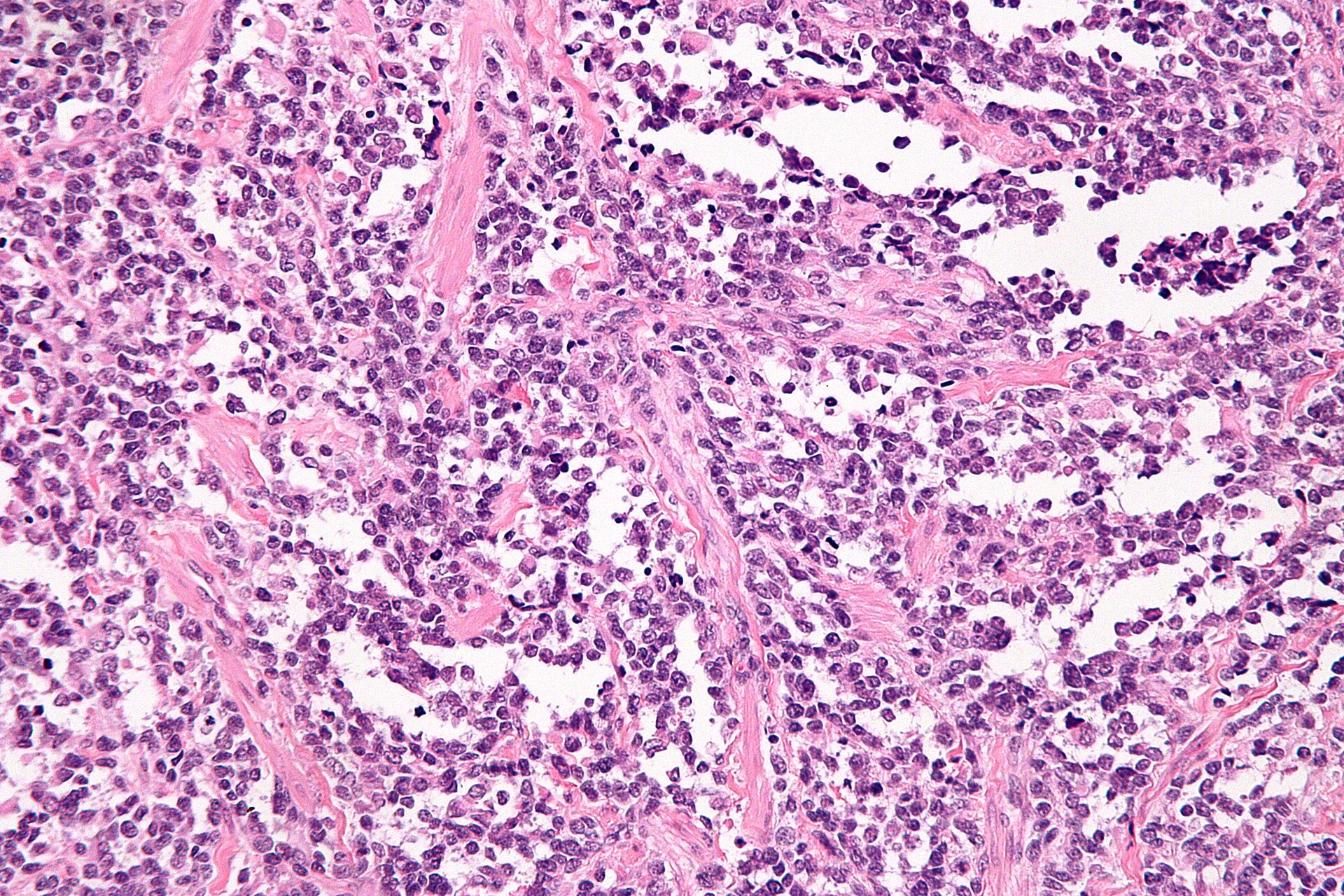
Some childhood cancers classified as low-risk may be far more dangerous than initial assessments suggest. Scientists have identified hidden populations of highly aggressive cancer cells within tumors that typically lack the genetic warning signs associated with severe disease. This discovery helps explain why some children experience fatal outcomes despite receiving standard care for what appeared to be less threatening conditions.
The findings, published in Cancer Research, come from a collaboration involving the Wellcome Sanger Institute, the University of Cambridge, Great Ormond Street Hospital, and University College London. The study focused on rhabdomyosarcoma, an aggressive soft tissue cancer that develops from muscle cells and affects approximately 55 children in the United Kingdom each year.
Genetic Markers and Hidden Risks
Doctors generally categorize rhabdomyosarcoma based on the presence of a specific genetic fusion. This marker occurs when two normally separate genes combine, creating an abnormal genetic structure linked to especially aggressive disease. Children with this fusion typically have lower survival rates, even with intensive treatment.
However, this classification system has a significant limitation. Some children whose tumors lack the high-risk genetic marker still develop aggressive cancers that prove fatal. Until now, scientists struggled to explain why these supposedly less dangerous tumors sometimes behave so aggressively.
To investigate this discrepancy, the research team examined tumor samples from 16 children. The group included four children with fatal cancers lacking the fusion marker, four with fusion-positive tumors, and eight children with fusion-negative disease who survived. The researchers used advanced genetic analysis to look beyond traditional markers.
Single-Cell Analysis Reveals Aggressive Pathways
The team employed single-cell RNA sequencing, a technology that measures gene activity in individual cells. This approach allowed scientists to investigate the behavior of different cell populations within a tumor, identifying dangerous cells that conventional methods often miss. They also used spatial transcriptomics to map gene activity to specific locations within the tumor tissue.
The results showed a striking similarity between tumors in different risk categories. Some cancers classified as non-high-risk contained cells with gene activity patterns closely resembling those found in high-risk tumors. These aggressive tumors did not require the same genetic mutations to produce similar behavior. Instead, researchers identified rare genetic changes that affected many of the same cellular pathways involved in the most dangerous forms of the disease.
Dr. Karin Straathof, co-senior author at the UCL Cancer Institute and Great Ormond Street Hospital, said: “By studying tumors one cell at a time, we uncovered hidden populations of aggressive cancer cells that conventional methods miss. Although these tumors carry different genetic changes, many converge on the same aggressive pathways. This helps explain why some children who appear to have lower-risk disease can still have a devastating outcome.”
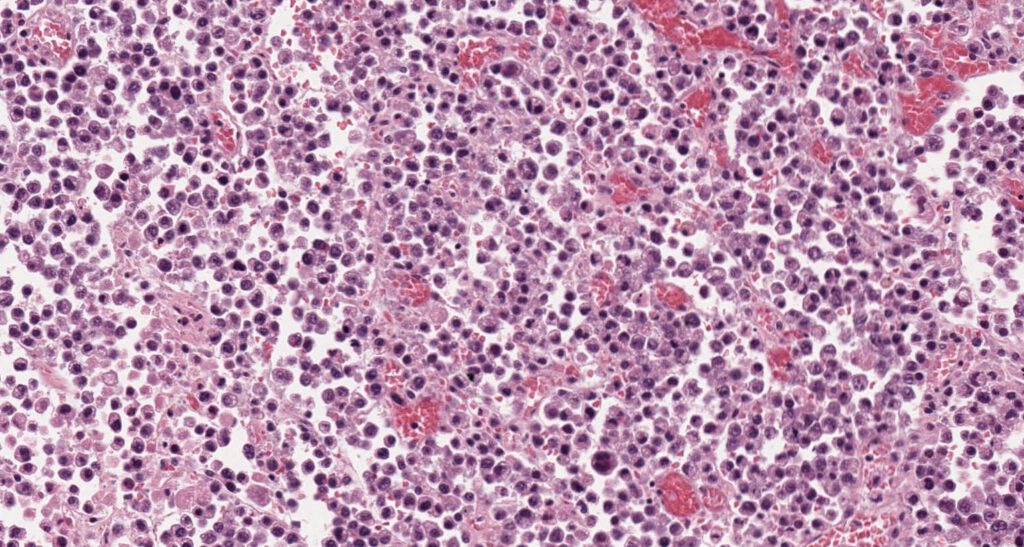
This suggests that different genetic abnormalities can push cancer cells toward a shared aggressive state. Tumors can reach a similarly dangerous biological condition through multiple genetic routes, even when they lack the warning sign typically used to identify high-risk disease.
Implications for Treatment and Survival
The findings could change how doctors identify children at risk of life-threatening cancer. If physicians can identify the distinctive biological signatures of aggressive cancer cells at diagnosis, they may recognize children who face a greater risk of relapse or death, even when standard genetic tests suggest otherwise.
Sara Wakeling, Chief Executive Officer and co-founder of Alice’s Arc, said: “Every child with cancer deserves the best possible chance of survival. We’re proud to support research into rhabdomyosarcoma, showing how cutting-edge technologies can uncover the biology driving aggressive childhood cancers. These discoveries bring us closer to more personalized treatments and better outcomes for children.”
Such an approach could also help prevent unnecessary treatment. Children with genuinely lower-risk tumors might avoid some of the harmful side effects associated with intensive chemotherapy, while those with hidden aggressive disease could receive stronger or more targeted treatment earlier.
Dr. Laura Danielson, Children’s and Young Person’s Lead at Cancer Research UK, said: “Discovery research like this is essential to understand the unique biology of these cancers. This important study demonstrates that aggressive tumors may share similar features, even if they carry different genetic changes. By helping researchers understand what these high-risk cancers have in common, this work adds a vital piece to the puzzle and could help guide future efforts to improve treatment for children and young people with rhabdomyosarcoma.”
Professor Sam Behjati, co-senior author formerly at the Wellcome Sanger Institute and Head of the Department of Paediatrics at the University of Cambridge, said: “This work changes how we think about rhabdomyosarcoma. Rather than a single, abnormal gene, we’ve shown that there is an overarching cell state of aggressive disease that defies conventional classification systems. Understanding this shared biology could help identify children who need more intense treatment to improve their survival.”
The researchers are now expanding their study to include hundreds of additional tumor samples. By analyzing a larger group of patients, they hope to uncover more rare genetic changes capable of producing aggressive cancer and accelerate the development of personalized treatments.
Source: ScienceDaily
