



Google and Blue Origin have announced a partnership to launch satellites equipped with artificial intelligence hardware into space. The companies confirmed on Thursday that Blue Origin’s New Glenn rocket will carry the payloads during the first quarter of 2029.
This mission marks the first dedicated heavy-lift launch for Google’s Project Suncatcher. The project aims to place AI data centers in orbit, a concept the tech giant has been exploring for several years. The upcoming launch will place satellites with computing capacity roughly equivalent to a data center rack into sun-synchronous orbit.
Project Suncatcher Expansion
Google previously launched its first AI server satellite in October. That mission utilized SpaceX’s Falcon 9 rocket as part of a rideshare arrangement that included multiple other payloads. The satellite successfully booted up its Tensor Processing Units (TPUs) and used the onboard Gemma 4 model to transmit an AI-generated haiku to Earth.
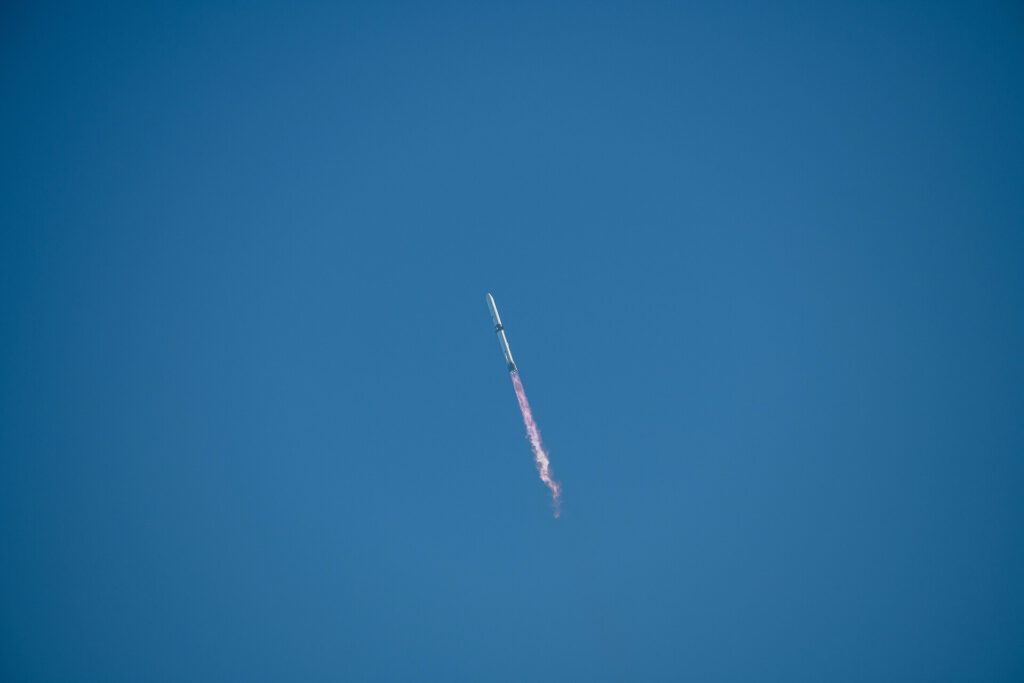
The new agreement with Blue Origin represents a shift in launch strategy. By securing a dedicated heavy-lift vehicle, Google can move larger and more complex hardware into space without sharing launch slots with unrelated cargo. The New Glenn rocket is designed to handle significant payloads, making it suitable for the scale of hardware Google intends to deploy.
Computing in Orbit
The satellites will carry Google’s Tensor Processing Units, specialized chips designed to accelerate machine learning tasks. Placing these units in space allows Google to process data closer to its source or distribute workloads across different geographic regions. The sun-synchronous orbit chosen for the mission ensures consistent lighting conditions, which is critical for satellite operations and power generation.
Project Suncatcher remains a long-term initiative. The 2029 launch is a key milestone in testing the viability of space-based computing infrastructure. Google has not disclosed the total number of satellites planned for the project or the full scope of future launches.
The partnership highlights the growing intersection of space exploration and artificial intelligence. As demand for computing power increases, companies are looking beyond traditional ground-based data centers to explore new environments for processing data.
Source: The Verge
