


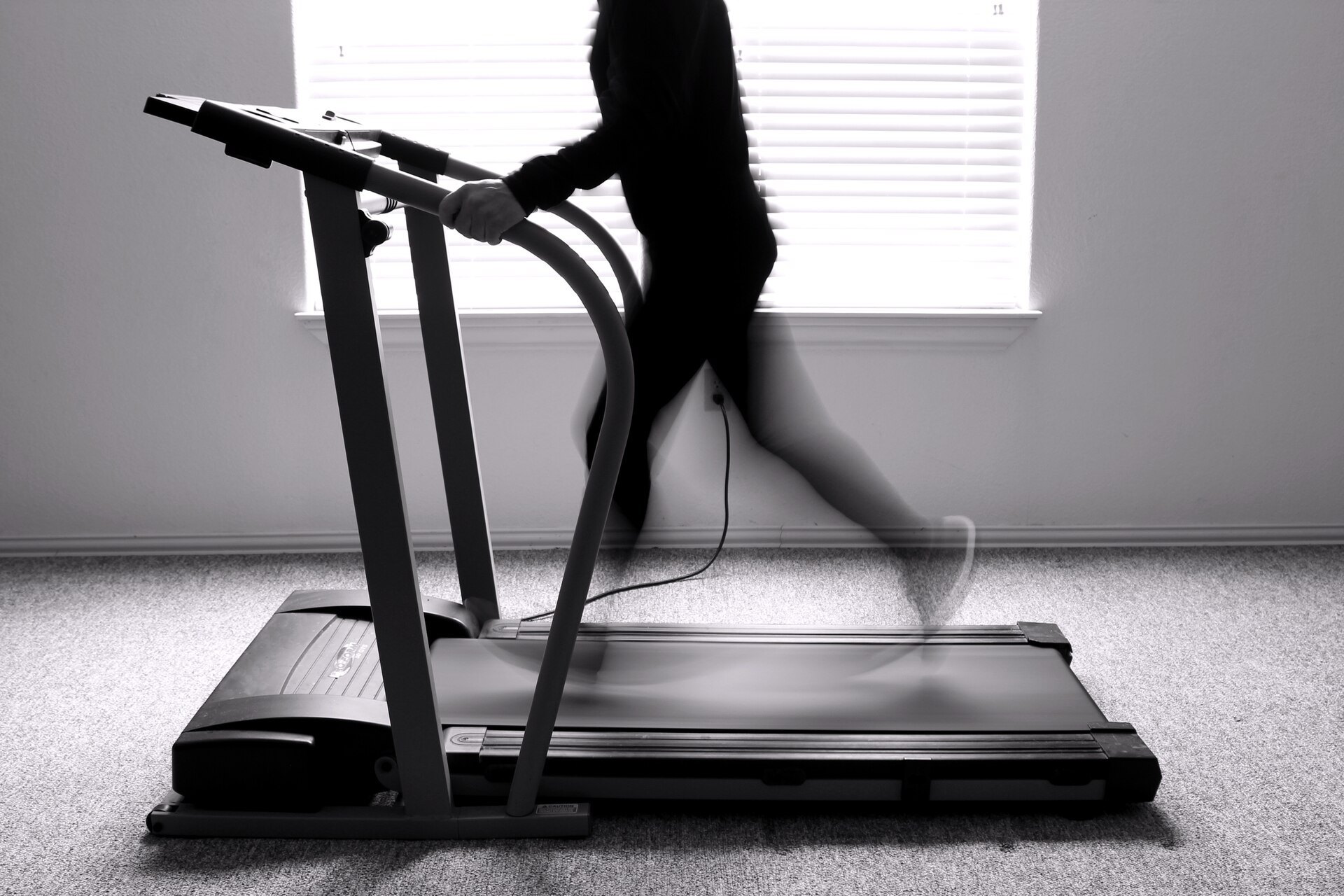
Engaging in intense physical activity without adequate rest may have consequences that extend far beyond muscle soreness. A new study published in the journal Neuroscience suggests that excessive exercise can disrupt brain chemistry, specifically interfering with the processes that allow the brain to return to a normal resting state.
Researchers in Brazil found that prolonged, exhausting exercise altered dopamine regulation in the hippocampus, a brain region critical for memory and emotional control. The findings indicate that the central nervous system is significantly impacted by training loads, with effects that persist long after the physical activity has ended.
Dopamine Levels Remain Elevated During Recovery
The study involved two groups of mice subjected to different exercise regimens. One group completed a single strenuous treadmill session until exhaustion. The other group underwent an eight-week training program designed to mimic the conditions of overtraining syndrome in elite athletes. By the final week, these mice completed two daily sessions with only four hours of recovery time between workouts.
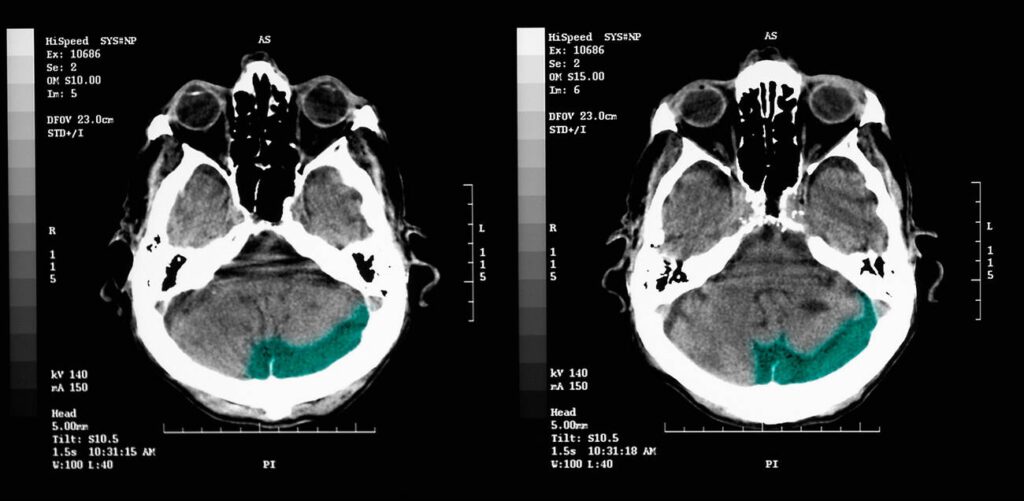
Scientists measured dopamine and serotonin levels, along with proteins involved in producing and managing these neurotransmitters. In mice that performed a single exhausting session, dopamine levels increased shortly after exercise. However, the results were more pronounced in the group that underwent weeks of demanding training.
In this second group, both dopamine and tyrosine hydroxylase (TyrH), an enzyme needed for dopamine production, remained elevated for 48 hours after the performance test. This prolonged response suggests that repeated strenuous exercise without sufficient rest may interfere with the brain’s normal regulation of dopamine. Rather than quickly returning to its usual chemical state, the brain continued to show signs of altered neurotransmitter activity during the recovery period.
Implications for Sleep and Mental Health
Dopamine plays a key role in motivation and alertness. The researchers believe that similar disruptions in humans could help explain why excessive training is sometimes associated with insomnia, anxiety, and persistent fatigue. If confirmed in human subjects, this connection would provide further evidence that sufficient rest is essential for both physical fitness and mental well-being.
“Our findings show that excessive physical exercise affects not only skeletal muscle but also has a pronounced impact on the brain,” said Alisson Luiz da Rocha, the study’s first author. Rocha conducted the research during his doctoral studies at the Ribeirao Preto School of Physical Education and Sports at the University of Sao Paulo (EEFERP-USP) in Brazil.

Adelino Sanchez Ramos da Silva, a professor at EEFERP-USP who coordinated the study, noted that finding comparable changes in humans could help researchers better understand the possible connections between overtraining, brain chemistry, and sleep disturbances. However, the team cautions that the study did not directly measure sleep, anxiety, or alertness. Those possible consequences remain to be investigated, and additional research is needed to determine whether the same dopamine changes occur in people.
Challenging Previous Assumptions on Fatigue
Another notable finding involved serotonin, a neurotransmitter that has long been investigated for its possible role in fatigue. Despite the substantial changes in dopamine, the researchers detected no significant differences in serotonin levels between the animals. This result challenges the long-standing idea that serotonin alone is primarily responsible for excessive fatigue. Instead, the findings suggest that changes in dopamine regulation may also deserve attention when scientists investigate the biological effects of overtraining.
Overtraining syndrome occurs when the physical demands of training exceed the body’s ability to recover. It can cause declining athletic performance, reduced appetite, ongoing fatigue, muscle pain, and a greater risk of injuries. Changes in immune function and metabolism are also common. The new results suggest that changes in brain chemistry may be another important part of this process.

Although the connection between these chemical changes and symptoms such as insomnia or anxiety has not yet been established in humans, the findings reinforce the importance of allowing sufficient time for recovery. For recreational exercisers and professional athletes alike, the researchers emphasize that training should be balanced with appropriate recovery and expert guidance. Increasing workout intensity does not necessarily produce better results if the body is not given enough time to adapt.
The team is now participating in a new international research project aimed at identifying which biological systems first begin to show signs of strain when exercise exceeds the level at which it normally produces beneficial adaptations. Understanding these early warning signals could help scientists determine when productive training begins to become harmful.
Source: ScienceDaily
