



Amazon is rolling out significant updates to its Alexa for Shopping service, a strategic move designed to keep consumers within its retail ecosystem and prevent third-party artificial intelligence agents from handling purchases. The expansion comes as the tech giant faces growing pressure from AI startups that are building tools to shop on behalf of users, potentially bypassing Amazon’s storefronts and advertising platforms.
Amazon Alexa Shopping Capabilities Expand
During an earnings call on Thursday, Oct. 29, Amazon CEO Andy Jassy announced that the AI assistant now supports more than 100 new shopping actions. These updates allow users to create, edit, and add items to grocery lists and baby registries directly through voice commands. The company also highlighted enhancements to its Shop Direct initiative, which lists products from brands that do not sell directly on Amazon, aiming to provide a comprehensive catalog that reduces the need for shoppers to look elsewhere.
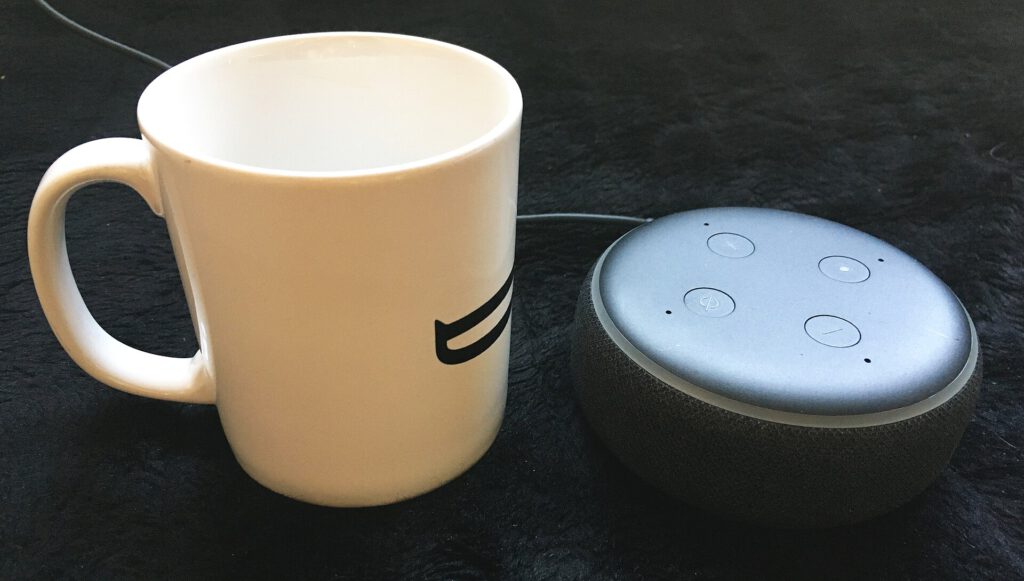
Jassy dismissed concerns that external AI agents pose a threat to Amazon’s market position. He stated that few consumers are currently using these third-party tools to shop and that the user experience remains subpar. Instead, he positioned Amazon’s own Alexa as the primary shopping agent for customers, arguing that its integrated ecosystem offers a superior alternative to standalone AI assistants.
Blocking Third-Party AI Agents
The push to strengthen Alexa for Shopping follows Amazon’s decision to block Meta’s Muse, an AI agent, from shopping on its site. While competitors like Walmart and Shopify have embraced third-party agents, Amazon’s restrictive approach has drawn criticism from some industry observers. They argue that blocking these tools could make the retailer vulnerable as more consumers prefer the convenience of automated shopping assistants.
Silicon Valley investor Paul Graham highlighted this tension in an Oct. 7 post on X. He wrote that Amazon’s ban on agents represents the first opportunity since the company’s founding for a startup to create a true Amazon competitor. Graham noted that people will increasingly want agents to buy items for them, suggesting that the current restrictions might drive users toward alternative platforms.

Market Share and Consumer Behavior
Despite the rise of AI agents, Amazon retains a dominant position in AI-assisted purchases. A PYMNTS Intelligence report titled “Will the 2026 Shopping Season Go Agentic?” found that Amazon accounts for 59% of AI-assisted purchases. The report attributed this dominance to the company’s competitive pricing, fast delivery options, and flexible return policies.
The research indicated that while consumers may start their product research on various platforms, they often complete their purchases on Amazon. The data showed that Amazon handles 29% of research starts, 49% of main purchase completions, and 59% of the most recent AI-assisted purchases. This concentration of completion suggests that Amazon’s infrastructure remains the preferred destination for final transactions, even when AI tools are involved in the discovery process.

As the shopping season progresses, Amazon’s focus on enhancing Alexa for Shopping reflects a broader industry battle for control over the consumer journey. By integrating advanced AI capabilities directly into its own assistant, the company aims to neutralize the threat posed by third-party agents and maintain its status as the primary destination for online retail.
Source: PYMNTS
