


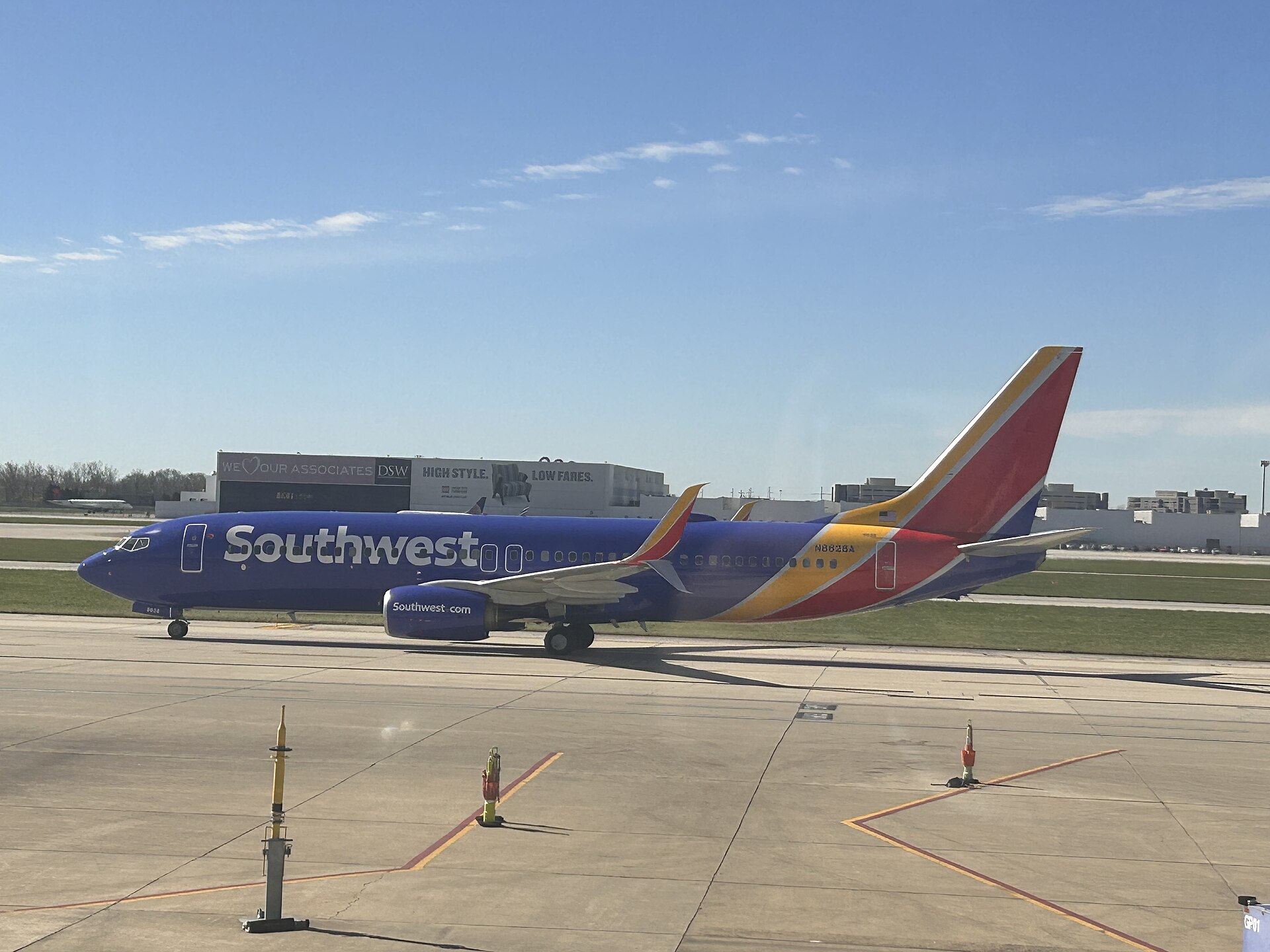
Southwest Airlines is preparing to introduce the Boeing 737 MAX 7 into passenger service in March 2027. This launch marks a key milestone in the carrier’s fleet modernization strategy. According to an internal rollout document obtained by View From The Wing, the first aircraft are expected to arrive later this year. These initial deliveries will feature new seats, WiFi, in-seat power, and larger overhead bins.
The new aircraft will offer 13 more seats than Southwest’s current 737-700s. This increase helps the airline modernize its fleet while increasing capacity on existing routes. The introduction follows years of certification delays for Boeing’s smallest MAX variant. Southwest has accumulated a substantial number of 737 MAX 7 orders. The aircraft are expected to replace older narrowbodies and support selected route expansions.
FAA Certification and Delivery Timeline
The planned introduction follows a major regulatory breakthrough for Boeing. The Federal Aviation Administration (FAA) granted the 737 MAX 7 type certification on August 3. The approval came after an extensive certification process involving flight testing, ground testing, safety assessments, and design reviews. It cleared the way for Boeing to begin delivering the aircraft. Southwest, the variant’s launch customer, is preparing to receive its first examples.
Southwest’s first 737 MAX 7s are expected to begin passenger operations in March 2027. Deliveries are scheduled to start in December 2026. The airline will initially operate 27 already-built aircraft. Newly manufactured examples are expected to arrive from February 2027. Before entering commercial service, each aircraft will undergo configuration work, maintenance, and validation flights.
Cabin Configuration and Capacity Strategy
The new aircraft will feature 150 Recaro seats. The layout includes designated extra-legroom seating. The cabin will also have three lavatories, up from two on Southwest’s existing 737-700s. Interestingly, the airline’s earlier 2024 investor presentation indicated a 148-seat configuration. The final layout accommodates two additional passengers. The March 2027 introduction remains subject to change as Southwest completes its operational preparations.
The additional 13 seats represent approximately 9.5% more passenger capacity per aircraft. However, Southwest has deliberately stopped at 150 seats. US regulations generally require an additional flight attendant for aircraft configured with 151 or more passenger seats. This allows the airline to increase capacity without adding another cabin crew member solely because of the seating arrangement.
Introducing the MAX 7 is an important step because Southwest operates a substantial fleet of older 737-700s. Many of these aircraft have been in service for about two decades. Replacing them with the newer generation will allow Southwest to modernize its narrowbody fleet while increasing passenger capacity without moving to a substantially larger aircraft.
The MAX 7 will also support Southwest’s Hawaiian operations. The first 27 examples can gradually take over extended overwater missions currently performed by older 737-800s. Routes such as Burbank to Honolulu, Phoenix to Hawaii, and Las Vegas to Hawaii are among the operations that could benefit from the aircraft’s capabilities. Southwest could then reassign the existing 737-800s to other routes, giving it more flexibility across its domestic network.
Southwest’s preparation schedule includes multiple flights for each prebuilt aircraft after its initial configuration work. This includes a simulated extended overwater operation lasting more than 3.5 hours. The airline also plans additional flights across the fleet to ensure the aircraft are ready before commercial operations begin. According to the reported document, Southwest intends to include the MAX 7 in its published schedules before the end of 2026.
Source: Simple Flying
