


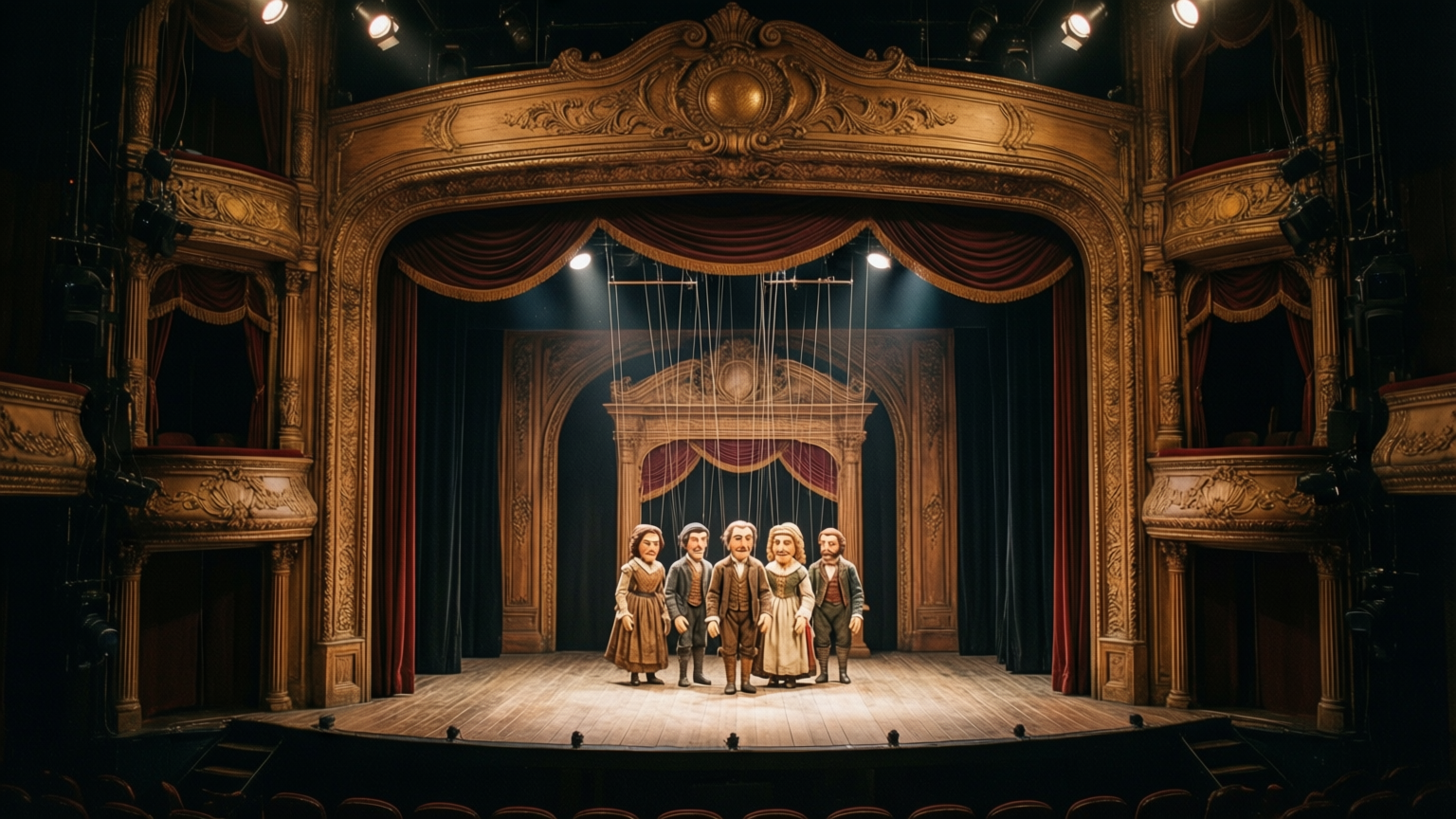
Nintendo has provided a detailed explanation for the distinct visual direction of The Legend of Zelda: Ocarina of Time remake. The upcoming title for the Nintendo Switch 2 features a graphical approach that diverges significantly from the photorealistic standards often seen in modern remakes. Instead, the game presents characters with a stylized, puppet-like appearance set against a dense, realistic environment.
Aya Shida, the art director for the project, stated that the team explored new visual expressions using the Switch 2’s capabilities. The goal was to create a world that felt tangible and lived-in. However, Shida noted that achieving strict realism for every element was not the objective. The development team wanted to preserve the mysterious, dreamlike charm of the original 1998 release while updating the setting.
Balancing Realism and Stylization
The original game was known for its contrast between dark, atmospheric locations and colorful, quirky characters. Shida explained that this juxtaposition was central to the franchise’s identity. The remake aims to rebuild Hyrule as a rich, dense world that feels authentic. At the same time, the team sought to make the colorful characters feel like natural inhabitants of that same world.
To achieve this balance, the art team relied on specific guiding concepts. Shida cited “a puppet-show feel” and “the analog feel of practical effects films” as key influences. These terms were used to describe the desire for characters to have a convincing presence within their fantasy setting. The approach was intended to evoke a sense of nostalgia that aligns with the original game’s impact on players.
The development process involved extensive sketching of Link, Zelda, and other key figures. Simultaneously, the team created a 3D model of the Great Deku Tree to demonstrate how the world would look. This model was designed to appear truly alive, with careful attention paid to lighting and textures. The concept was presented to series producer Eiji Aonuma to ensure the characters would blend seamlessly into the environment.
Nostalgia and Original Intent
Eiji Aonuma, who produced the original Nintendo 64 version, commented on the evolution of the game’s visual style. He noted that the original team did not set out to create a nostalgic product. They were focused on making something cutting-edge for the technology of the late 1990s. The current development team, however, approaches the project with a sense of nostalgia for the original experience.
Aonuma stated that this perspective led the team toward an analog, puppet-show-like aesthetic. He found this progression logical and consistent with the series’ history. The choice reflects a desire to honor the original’s unique atmosphere while utilizing modern hardware.
The Legend of Zelda: Ocarina of Time is scheduled for release later this week on the Nintendo Switch 2. Players will be able to experience the reimagined Hyrule firsthand when the game launches. The title promises to offer a streamlined experience that builds on the classic adventure with updated graphics and improved gameplay mechanics.
Source: Polygon
