


European airlines are facing a growing environmental and financial penalty because they cannot fly over Russian airspace. A new analysis by aviation data firm Skailark quantifies the impact of this geopolitical restriction, showing that carriers barred from or avoiding Russian airspace burn 13.8% more fuel per flight on routes between Europe and Northeast Asia. This inefficiency adds 1.53 million metric tons of carbon dioxide emissions each year, representing 12% of the total emissions for those specific flights.
Finnair Faces Steepest Climate Costs
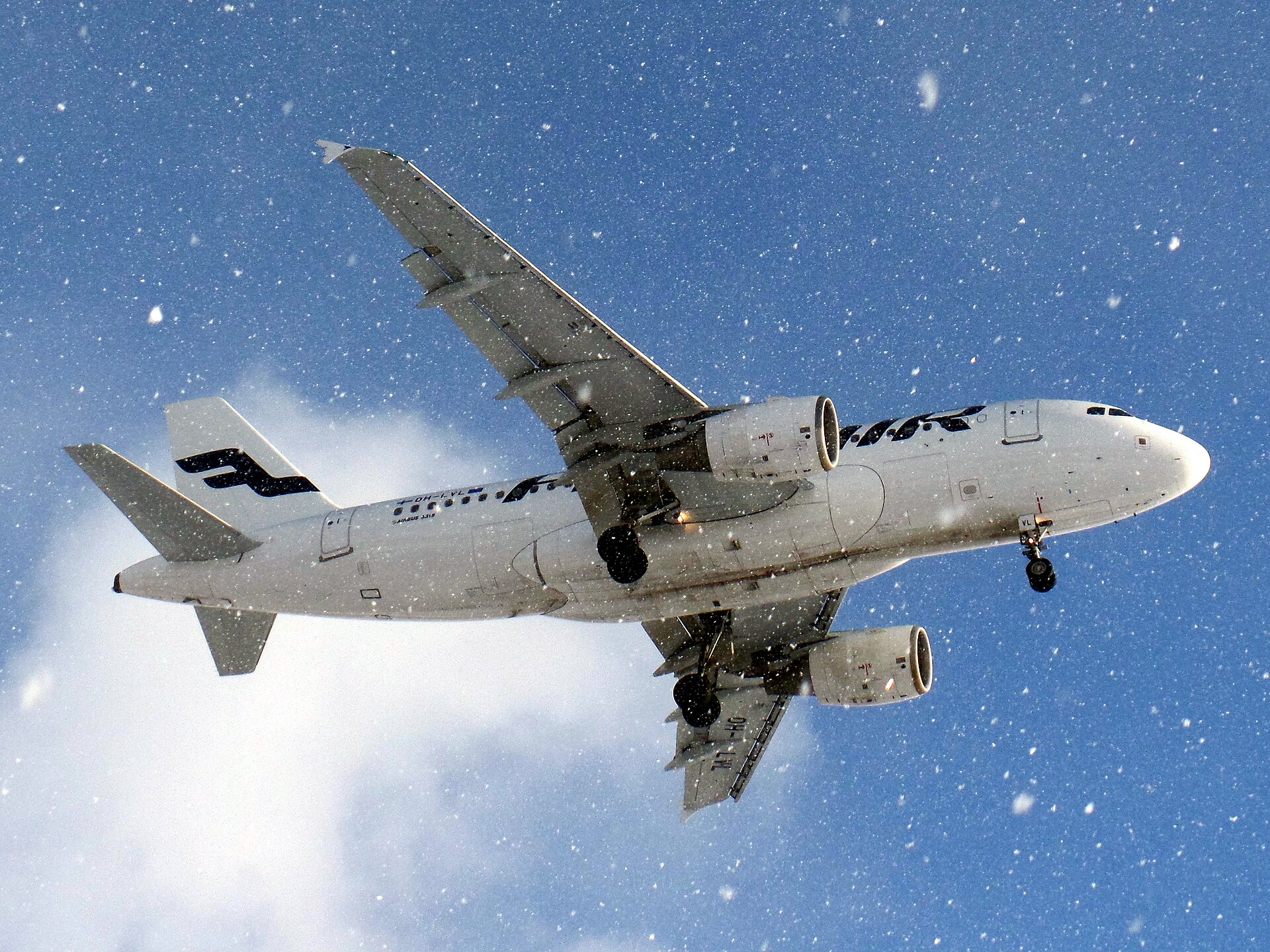
Finnair is the most exposed carrier to this issue. Since Russia closed its airspace to EU and UK carriers in 2022, Finnair flights to Northeast Asia have become approximately 33.2% longer. The detour requires 33.5% more fuel per flight. Riku Aho, Finnair’s vice president of sustainability, stated that the airline’s gross carbon dioxide emissions are up roughly 10% since 2019. He noted that these increased emissions create knock-on effects on fleet management, navigation, crew scheduling, and aircraft utilization costs.
The data compares fuel burn on identical routes and aircraft types in 2019 against data from March 2025 to June 2026. The study highlights that airlines from Japan, South Korea, and Taiwan have largely avoided Russian airspace over safety concerns, but European carriers are uniquely constrained by the retaliatory ban imposed after the invasion of Ukraine.
Competitive Disadvantage for European Carriers
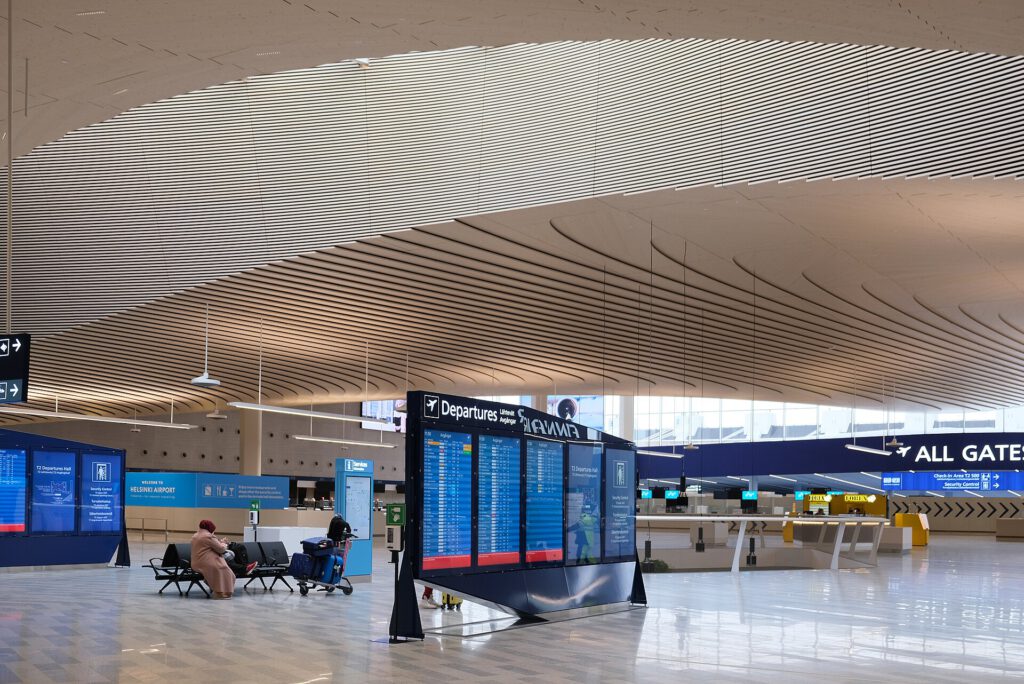
The situation has created a structural competitive disadvantage for European airlines compared to rivals that still use Russian airspace. Carriers from China, the Gulf region, and Turkey continue to fly over Russia, allowing them to offer more efficient connections. For example, Emirates recently launched a new route to Helsinki, capitalizing on the open airspace.
Conversely, European carriers have been forced to suspend or reduce services. British Airways suspended its London to Beijing route, and Virgin Atlantic dropped its Shanghai service in 2024. A spokesperson for Lufthansa described the current situation as a structural competitive disadvantage for European carriers. Other major airlines affected by the detours include ANA, Japan Airlines, Air France, KLM, and Lufthansa.
Jet fuel prices currently stand at $4.59 per gallon, exacerbating the financial strain caused by the extra fuel burn. The European Union’s Sustainable Aviation Fuel (SAF) blending mandate is also underway, adding further regulatory pressure on airlines that are already burning more fossil fuel due to the longer flight paths.
Finnair has indicated that it is not planning for Russian airspace to reopen in the near future. The airline remains committed to its climate goals despite the external factors driving up its carbon footprint. The 1.53 million metric tons of additional CO2 emissions represent a significant hurdle for the industry’s net-zero targets, as European carriers continue to navigate a fragmented global airspace system.
Source: Skift
