


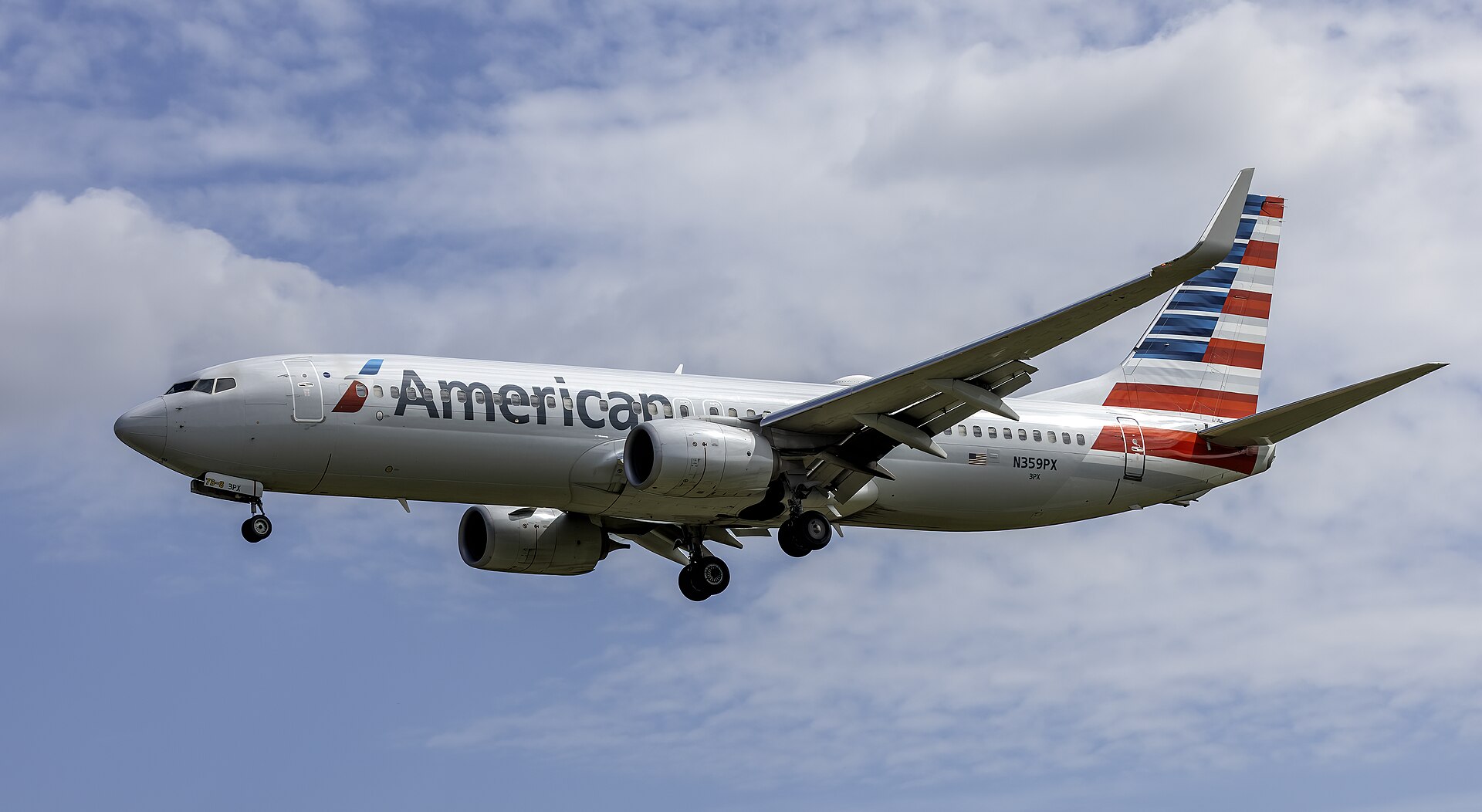
American Airlines has resumed operations to Haiti, launching daily nonstop flights between Miami International Airport and Cap-Haïtien International Airport on November 1. This move makes the carrier the first major US network airline to restore service to the country since US airlines suspended flights amid escalating security concerns in 2024.
The inaugural flight featured an all-Haitian, Creole-speaking crew led by Captain Oliver Jean. This staffing choice highlighted the cultural ties between the airline and the communities served by the route, offering a significant moment for the Haitian diaspora and residents on both sides of the Caribbean.
Cap-Haitien Route Avoids Port-au-Prince
The new service does not extend to Port-au-Prince. The Federal Aviation Administration (FAA) continues to restrict US commercial operators from flying into the Haitian capital due to ongoing security threats, including armed attacks on aircraft. Instead, American Airlines selected Cap-Haïtien in northern Haiti, restoring a connection through its Miami hub while bypassing the airport at the center of the country’s aviation security crisis.
Security concerns explain the geographic limitation. In November 2024, gunfire struck aircraft operated by American, JetBlue, and Spirit Airlines near Port-au-Prince. These incidents prompted US carriers to suspend service, leading the FAA to introduce restrictions on civil aviation operations in affected parts of Haiti. The agency subsequently narrowed its restrictions, allowing US aircraft to operate at airports outside the designated area around the capital. Cap-Haïtien, located in northern Haiti, falls beyond this restricted airspace.
Port-au-Prince’s Toussaint Louverture International Airport remains inaccessible to commercial carriers from the US under current rules. While international service has continued at Cap-Haïtien, reaching destinations in the south may require additional ground transportation and careful consideration of local security conditions. The airline’s return does not signify that conditions have normalized across the entire country.
Network Access for Haitian Communities
Daily flights between Miami and Cap-Haïtien provide travelers with a direct connection to northern Haiti, where American previously operated service between 2014 and 2020. Although the airline has served Haiti since 1971, it had not flown to Cap-Haïtien for more than six years before this latest launch.

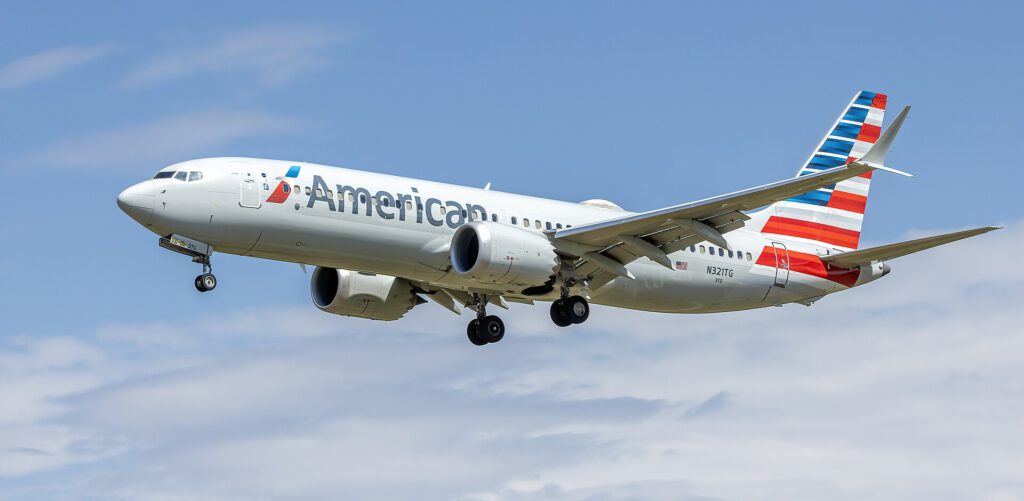
American is operating the route with Boeing 737 aircraft, providing more than 90 onward connections across the United States through Miami. This network access is particularly relevant for Haitian-American communities outside South Florida, including travelers in New York and Orlando. These passengers can connect through the airline’s hub rather than relying on less convenient itineraries.
Miami’s importance to the new route extends beyond its proximity to Haiti. American operates more than 410 peak daily flights from the airport to over 170 destinations in 46 countries, making it the carrier’s most internationally connected hub. The additional Haiti service gives passengers access to that network, including connections from cities that do not have nonstop flights to Cap-Haïtien. South Florida is home to the largest Haitian-American population in the United States, making the Miami connection especially significant for family visits and other regular travel.
American described Cap-Haïtien as its 100th destination in the Caribbean and Latin America network. The milestone adds to a regional footprint that the airline says is larger than that of any other US carrier, while giving northern Haiti a direct link to one of the country’s most important international gateways.
“The continued growth of our network in the region, including being the first airline to return to Venezuela earlier this year, is a reflection of the legacy we’ve built and one we’re proud to carry forward as we continue growing our network across the region,” the airline stated.
For now, American’s daily Miami-Cap-Haïtien flights represent a meaningful reopening of one part of the US-Haiti air market. Whether service can eventually extend to Port-au-Prince will depend on security improvements and the FAA’s willingness to lift its remaining restrictions.
Source: Simple Flying
