


Governments and businesses across the Asia-Pacific region are closely monitoring Tuesday’s US midterm elections. The region has suffered significant economic and energy disruptions due to the ongoing conflict between the United States and Iran, as well as aggressive US trade policies. Many officials hope the elections will lead to substantial changes in Washington’s approach to the region.
Analysts note that while there is a strong desire for “enormous changes” in US foreign policy, few expect immediate results. This skepticism persists even as Democrats appear poised to regain control of the House of Representatives and potentially the Senate from the Republican Party. The region has been particularly hard hit by the energy crisis triggered by the war on Iran.
Energy crisis and economic strain
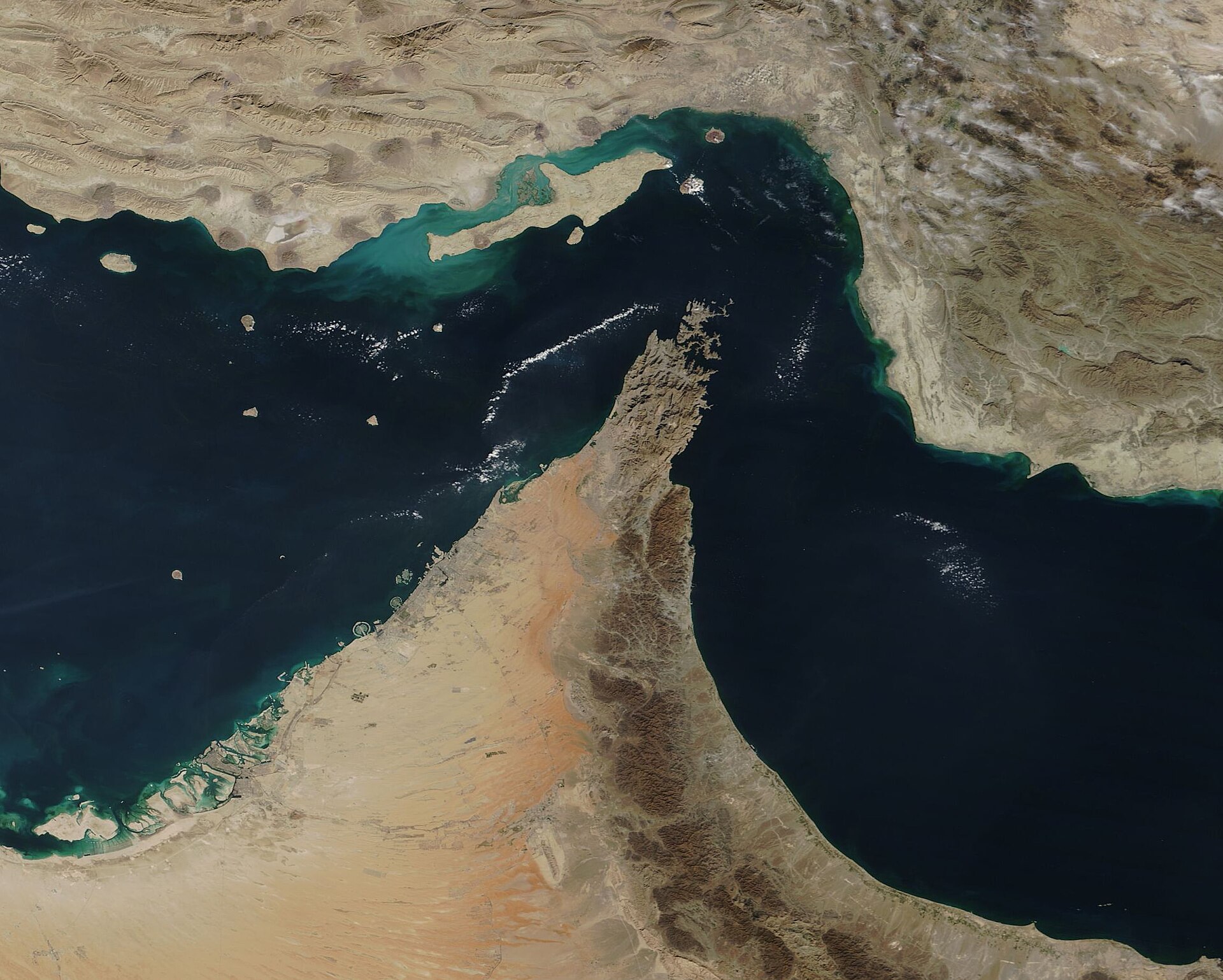
The Asia-Pacific region was the primary destination for Gulf oil and gas before the conflict began. When Iran closed the Strait of Hormuz in response to US and Israeli strikes, supply chains were severely disrupted. The Philippines, which imports over 90 percent of its crude oil from the Gulf, declared a national energy emergency in March. Soaring fuel costs have drained foreign exchange reserves in poorer economies like Cambodia, Laos, Myanmar, and East Timor.
Other major economies, including Indonesia, Malaysia, Thailand, and Vietnam, have spent heavily on fuel subsidies to protect consumers. Public opinion in the region remains firmly opposed to the war. However, Steven Okun, chief executive of APAC Advisors, stated that a Democratic-controlled Congress is unlikely to force President Donald Trump to end the eight-month conflict.
“With Iran, I don’t see [a Democrat-controlled Congress] having much change at all, other than the fact that the war will be investigated and there will be oversight hearings,” Okun said. He added that while impeachment proceedings against the secretary of defence might occur, the overall impact of the war would remain unchanged.
Tariffs and trade policy outlook
Trade policy remains another area where Congress has limited power to rein in the president. The Trump administration previously imposed reciprocal tariffs ranging from 10 percent to 50 percent on nearly 90 countries. Asian nations faced steep rates, with Cambodia at 49 percent, Laos at 48 percent, Vietnam at 46 percent, and Myanmar at 45 percent.
After the Supreme Court struck down those initial tariffs in February, the administration shifted to new measures. In July, it imposed tariffs of 10 percent and 12.5 percent on goods from 60 trading partners, citing forced labour concerns. This list includes China, Japan, South Korea, and seven Southeast Asian nations. Okun argued that the new Congress will not significantly alter trade policy, noting that tariffs and the war are unlikely to change regardless of election outcomes.
Stephen Olson, a visiting fellow at the ISEAS-Yusof Ishak Institute, suggested that a strong rejection of Trumpism could embolden pro-free-trade Republicans. He noted this might offer some relief for exporters, but deeper shifts will likely wait until the 2028 presidential election.
Security concerns and China technology restrictions
Security guarantees and stability in the South China Sea and Taiwan Strait are also top priorities for Asian nations. Joshua Kurlantzick of the Council on Foreign Relations said the region desires a clearer US presence in these areas. Businesses are also watching whether a Republican loss in Congress will lead to greater cooperation with Democrats on issues like arms sales and economic unpredictability.
One area where analysts expect bipartisan action is technology restrictions on China. Legislation such as the Remote Access Security Act and the Chip Security Act aims to prevent the diversion of advanced AI chips and software to foreign adversaries. Okun stated that both parties agree on these measures, making them likely to pass regardless of the midterm results.
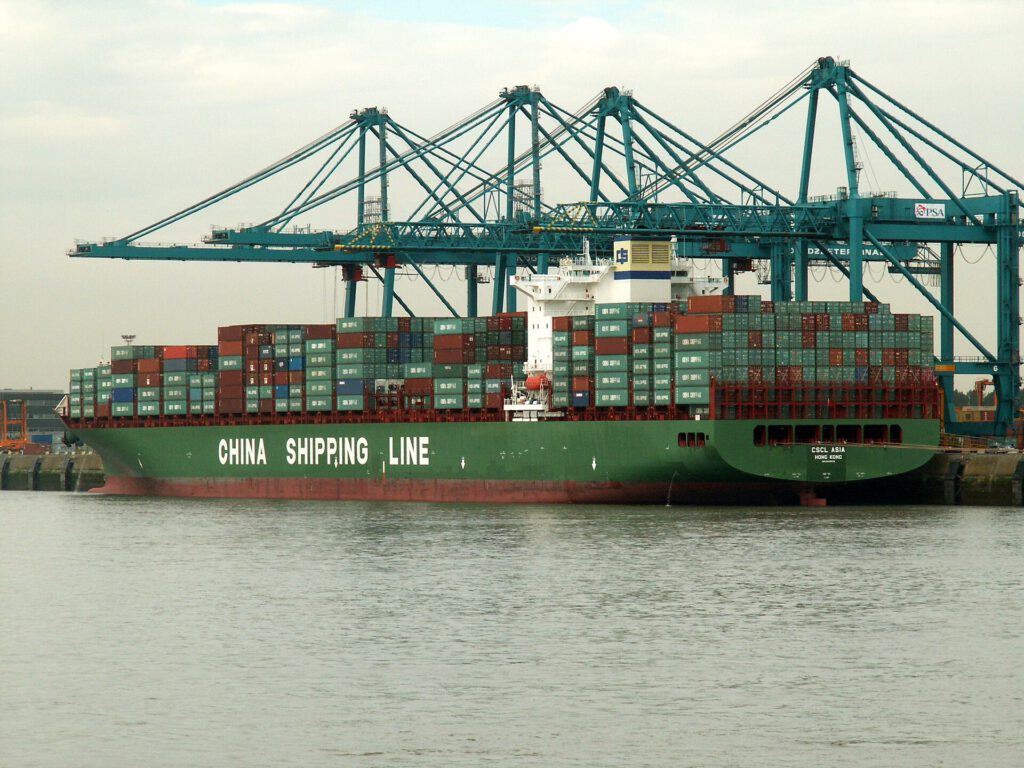
Meanwhile, Trump has maintained warm ties with Chinese President Xi Jinping, meeting twice this year. This relationship has led Trump to delay approving a $14 billion arms sales package to Taiwan. Some experts worry that a weakened Trump, constrained by a Democratic Congress, might adopt more erratic foreign policy moves.
James Guild, an assistant professor at the Indonesian International Islamic University, warned that Democrats have a poor record of holding Trump accountable. “We will have to wait and see if they rise to the moment this time,” he said.
Source: Al Jazeera
