


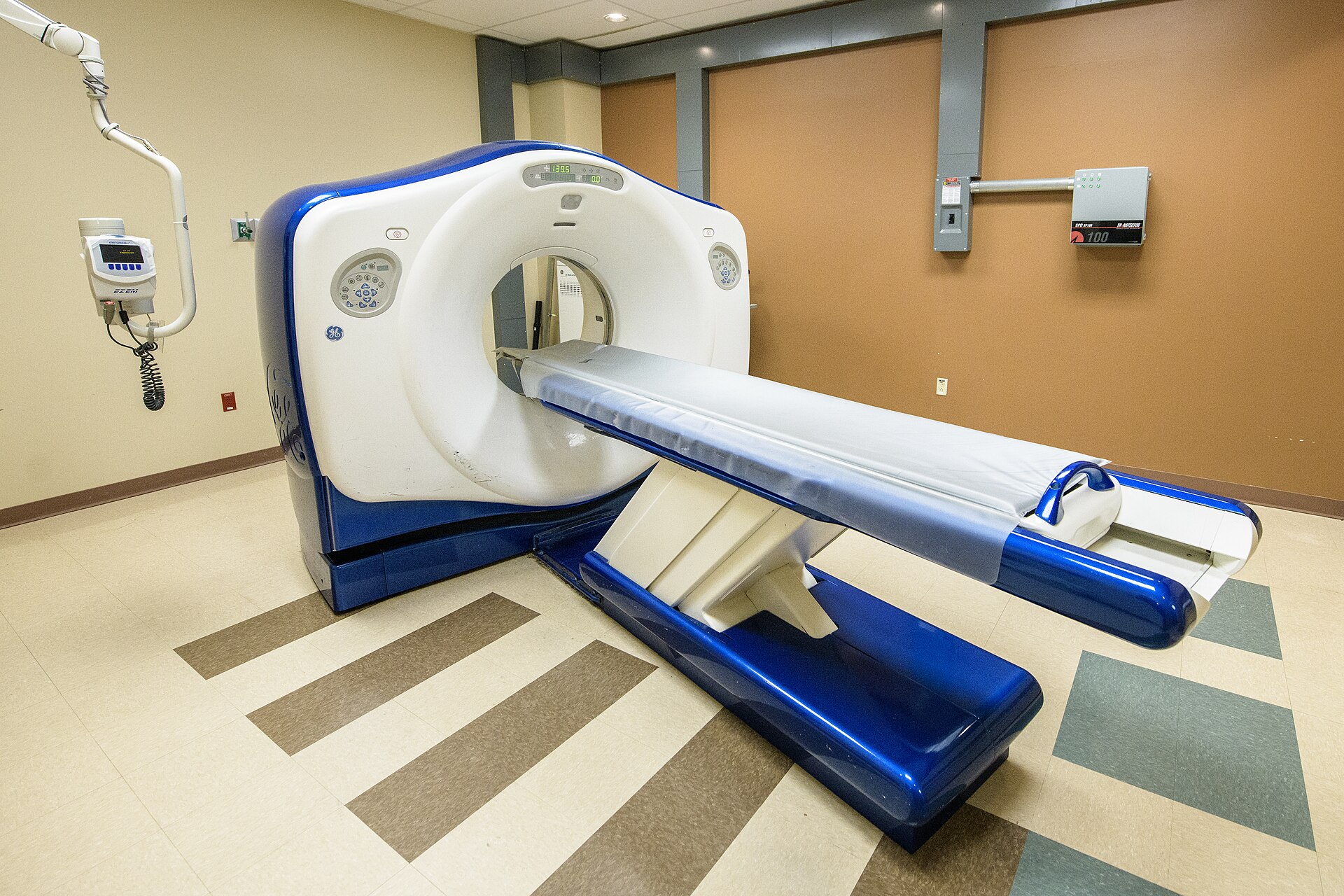
Scientists at The University of Texas MD Anderson Cancer Center have identified a specific gut bacterium that works in tandem with fasting to help the intestine recover from radiation damage. The findings, published in the Proceedings of the National Academy of Sciences, suggest that a 24-hour fast prepares intestinal cells for injury by altering their genetic activity through the presence of beneficial microbes.
The Role of Akkermansia muciniphila
The study focused on how the small intestine, which is highly sensitive to radiation, responds to injury. Radiation therapy is a standard treatment for abdominal cancers, but it often damages the delicate lining of the gut, leading to severe side effects like nausea, diarrhea, and infections. These complications can limit the amount of radiation doctors can safely administer.
Previous work from the Piwnica-Worms Laboratory showed that fasting before radiation exposure improved recovery rates. However, the biological mechanism behind this protection remained unclear. The new research pinpoints Akkermansia muciniphila, also known as AKK, as a key player in this process.
During a 24-hour fast, the abundance of AKK bacteria in the small intestine increases. This microbe produces propionate, a substance that triggers changes inside intestinal cells. Propionate works alongside other metabolic shifts caused by fasting to modify histones, which are proteins that package DNA. These modifications make certain genes more accessible, allowing cells to activate programs involved in tissue regeneration.
Essentially, fasting acts as a training period. It prepares a population of intestinal cells with the biological instructions needed to rebuild the damaged lining if an injury occurs. When radiation hits, these prepared cells can expand and repair the tissue more efficiently.
Testing the Mechanism
To confirm the importance of AKK, researchers selectively removed the bacterium from the subjects. Without it, the protective benefits of fasting disappeared. The regenerative response only returned when the bacterium was restored alongside the fasting protocol. This demonstrated that neither component alone was sufficient to reproduce the full protective effect observed in the study.
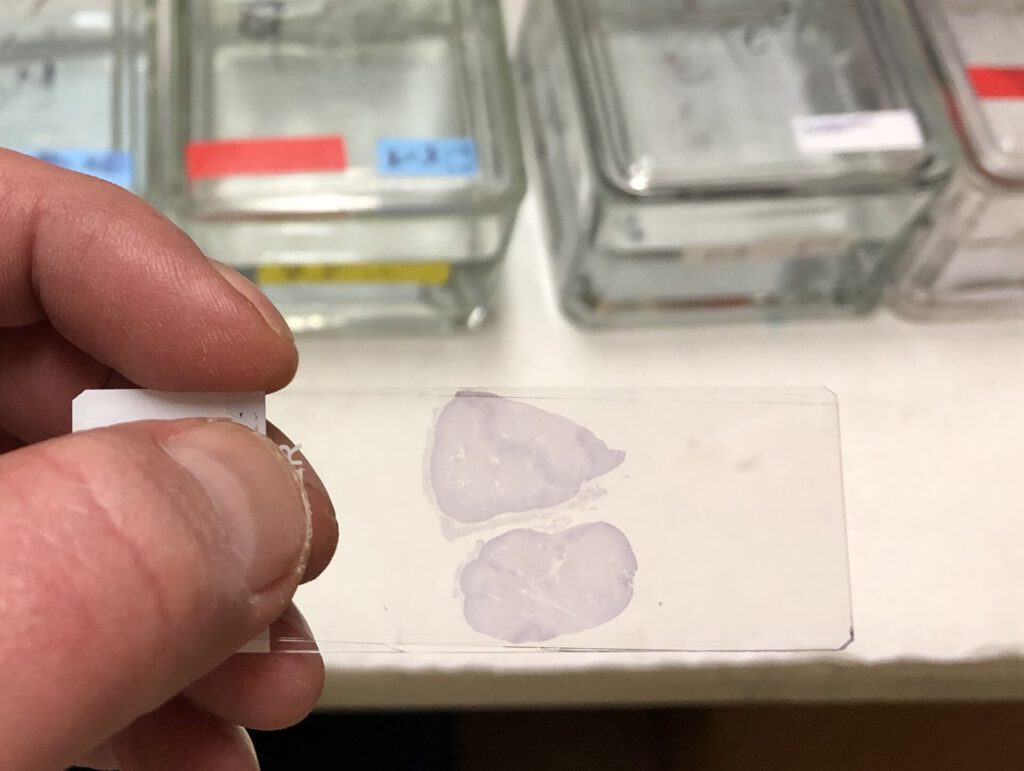
The results indicate that fasting does more than just change gut metabolism temporarily. Together with AKK, it places intestinal cells in a state that supports faster and more efficient recovery after damage.
Helen Piwnica-Worms, Ph.D., professor of Experimental Radiation Oncology, described the process as training cells with an emergency preparedness plan. She noted that the study helps explain how that plan is organized and identifies the specific bacterium involved in coordinating the response.
Future Applications for Cancer Care
While the findings are promising, the research remains preclinical. Additional studies are needed to determine if this mechanism works in humans and if it can safely improve outcomes for patients undergoing radiation therapy. The discovery could lead to new ways to protect healthy tissue during cancer treatment, potentially making radiation therapy safer and more effective.
Researchers are also exploring ways to achieve these benefits without requiring patients to fast, which can be difficult during cancer care. Treatments involving beneficial bacteria or their metabolites could potentially stimulate similar repair processes. Kunal Rai, Ph.D., professor of Genomic Medicine, emphasized that the goal is to help repair healthy tissue more effectively while patients receive the therapies they need.
The research was funded by the National Cancer Institute within the National Institutes of Health and the Cancer Prevention and Research Institute of Texas. If further investigations support these findings, clinical trials may eventually explore whether activating this repair mechanism benefits patients undergoing abdominal radiation therapy.
Source: ScienceDaily
