


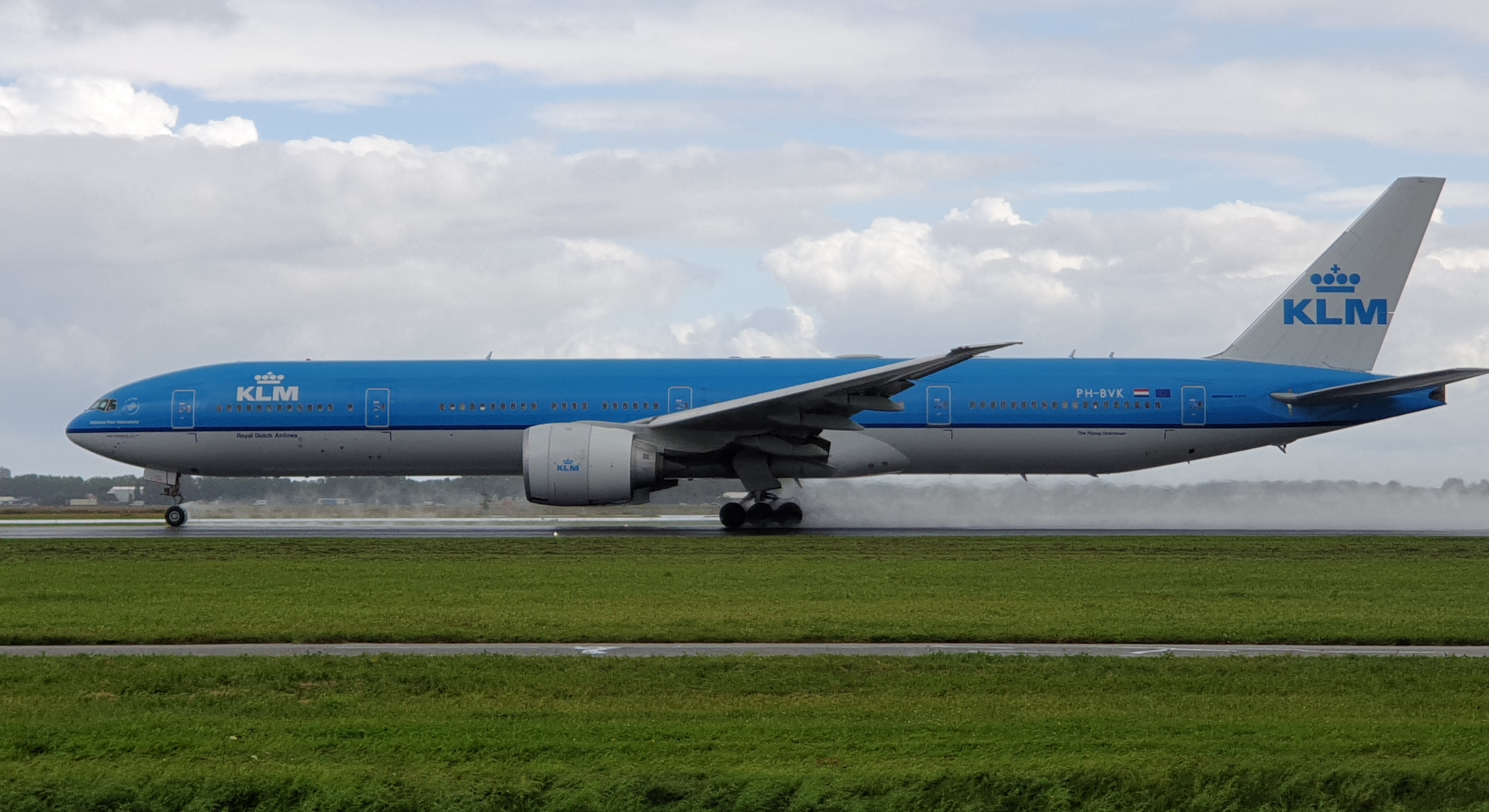
A portable charger caught fire aboard a KLM Boeing 777 on September 17, forcing the aircraft to divert back to Amsterdam Schiphol Airport. The incident injured one passenger and kept the plane out of service for three days, according to reports from Skift. The event underscores a growing safety challenge for the aviation industry as the number of lithium-powered devices in cabins increases.
KLM Flight 735 Incident Details
The flight was traveling from Amsterdam to Curaçao when the device malfunctioned. Crew members extinguished the flames, and the jet returned safely to the Dutch capital. The disruption caused cancellations and required overnight accommodation for hundreds of passengers. The aircraft remained grounded until September 20.
Dutch media reported that the device allegedly belonged to Camiel Eurlings, the former chief executive of KLM. The airline declined to identify the passenger, and Eurlings did not respond to requests for comment. On November 4, the Dutch Safety Board opened an independent investigation into the cause of the fire.
While the identity of the passenger attracted tabloid attention, the incident reflects a broader trend of cabin safety issues. The UK Civil Aviation Authority estimates that the average passenger now carries four lithium-powered devices. Reports of passenger devices overheating rose 98% between 2024 and 2025 in the UK.
Rising Incidents and Industry Response
The Federal Aviation Administration logged 97 lithium-battery incidents involving smoke, fire, or extreme heat in 2025. This is a sharp increase from the 47 incidents recorded in 2017. Paul Serafin, deputy director of the FAA, stated that the agency has recently seen roughly two incidents a week on passenger aircraft.
UL Standards & Engagement estimates the average cost of such an event at approximately $96,000. About 12% of incidents in their dataset resulted in a diversion or emergency landing. These figures suggest that the frequency and financial impact of battery failures are escalating.
New International Civil Aviation Organization provisions took effect at the end of March. The rules cap passengers at two power banks and prohibit recharging them in flight. However, implementation varies by jurisdiction, and airlines can set stricter limits. Paul Christensen, a battery safety expert, said the airline industry needs to wake up as a matter of extreme urgency.
Jonathan Jasper from the International Air Transport Association cautioned that most reports involve overheating rather than full thermal runaway. Despite this distinction, the cumulative risk remains a priority for regulators and carriers alike.
Source: Skift
