


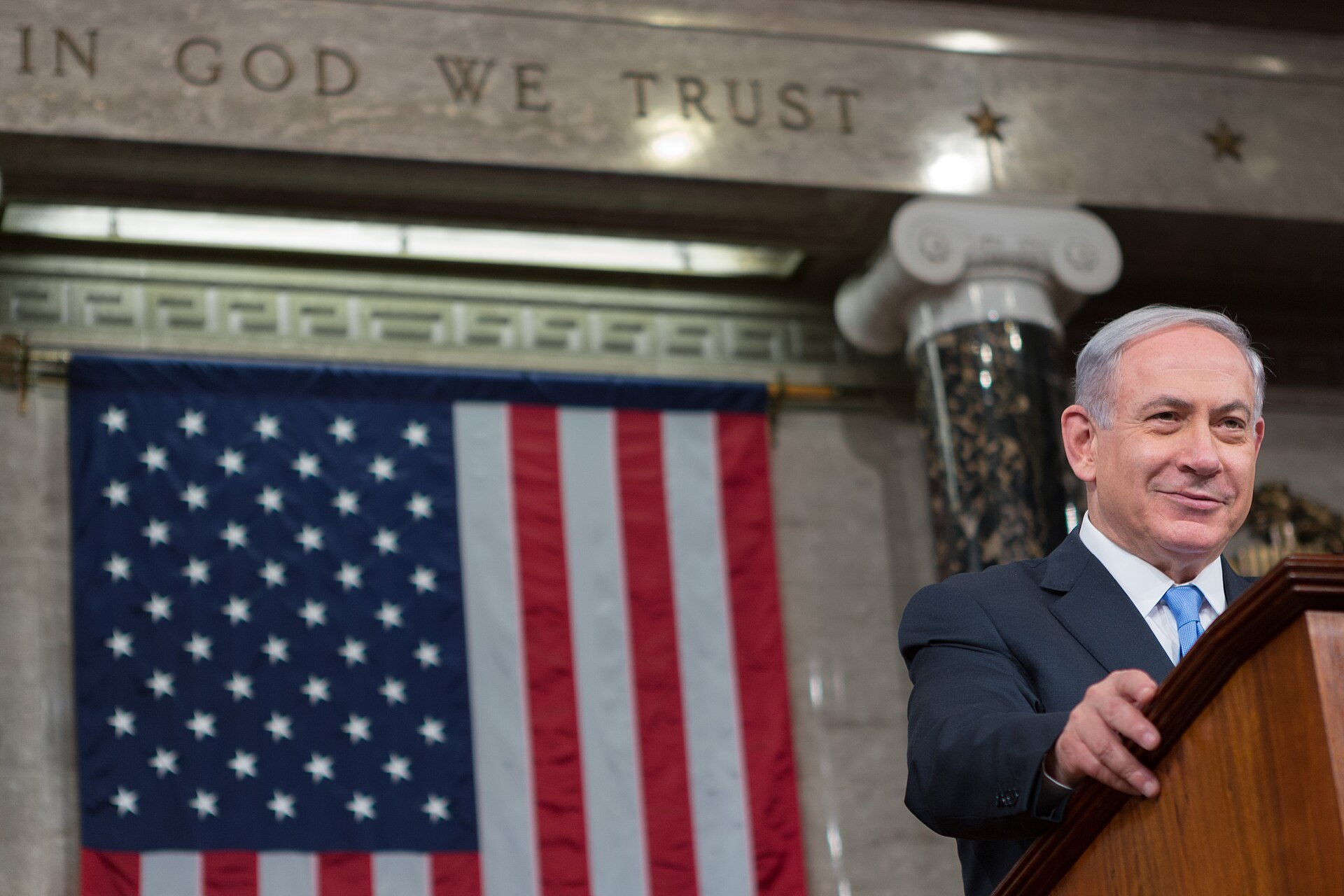
Israel’s caretaker Prime Minister Benjamin Netanyahu has proposed a rotating premiership with his main political rival, Gadi Eisenkot, as both leaders scramble to form a new government following a hung parliament. Eisenkot responded by inviting Netanyahu to immediate talks to determine if the Likud leader is genuinely committed to a unity agreement.
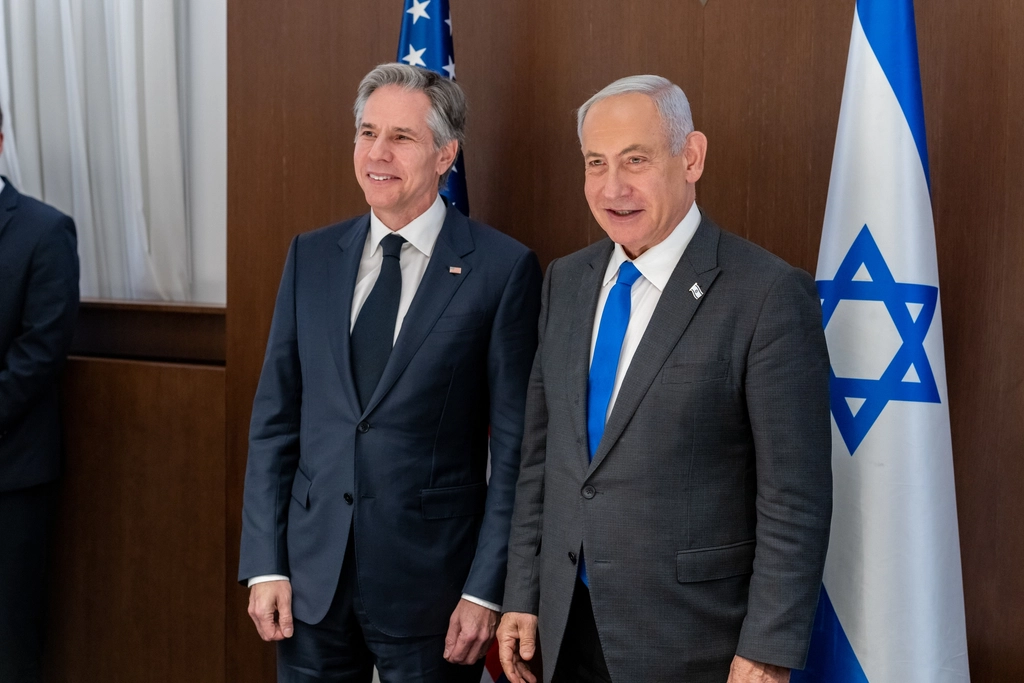
Eisenkot, the leader of the centrist Yashar party, issued a statement on Sunday declaring his readiness to engage in accelerated negotiations. He specified that he would meet with Netanyahu on Saturday night to discuss basic guidelines and policy issues. This invitation came after Eisenkot delivered a formal proposal to Netanyahu on Sunday, though the caretaker prime minister had not yet responded to that specific document at the time of the statement.
“If Likud is ready for genuine unity, I am prepared to see how serious it is over the next 24 hours,” Eisenkot said. His demand for a Saturday night meeting was widely interpreted as an attempt to judge Netanyahu’s sincerity. Al Jazeera’s Nour Odeh, reporting from Bethlehem in the occupied West Bank, noted that many observers view this as Eisenkot calling Netanyahu’s bluff to see if he is willing to discuss substance or merely buying time.
Netanyahu’s Rotating Premiership Proposal
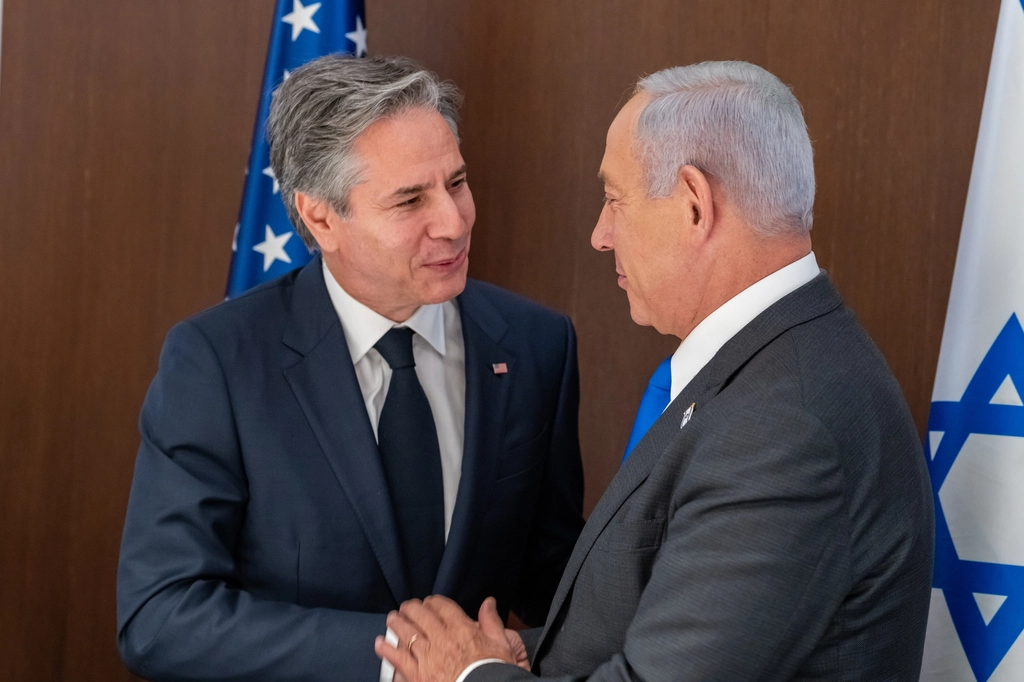
Netanyahu’s offer to share power came shortly after Eisenkot’s statement. The caretaker prime minister took to social media platform X to announce his willingness to let Eisenkot serve as the initial head of government in a rotating arrangement. Despite Likud being the largest party in the Knesset, Netanyahu stated he would set aside the principle of the largest party leading the government due to the “gravity of the existential danger” and the risk of forming a government unable to confront it.
“My responsibility as a leader requires me to set everything aside, including the principle of the largest party, and agree that Gadi Eisenkot will serve first as prime minister, while I will serve as alternate prime minister at the beginning of the term,” Netanyahu said. This specific detail regarding the alternate prime minister role was central to his proposal for a unity government.
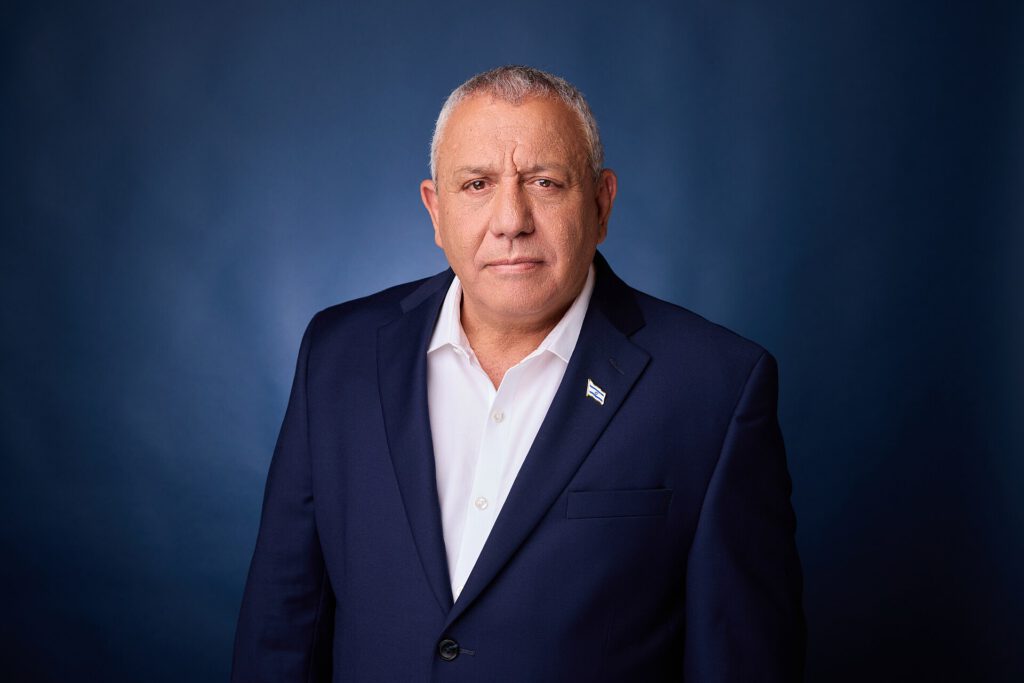
Eisenkot was recently tapped by Israel’s president to form a new government. He has pledged to announce the formation of the next government by the official deadline of December 6, explicitly ruling out the option of a 14-day extension. The centrist leader has accused Netanyahu of stalling coalition talks in an effort to force new elections, as he has struggled to assemble a ruling coalition.
Political Deadlock and Rejection
The October 27 elections failed to deliver a clear majority for either political bloc. Netanyahu and his traditional alliance of far-right and ultra-Orthodox parties secured 53 seats in the 120-seat parliament. Eisenkot and his presumed partners won 48 seats. The narrow margin has intensified pressure on both leaders to find a compromise or risk another electoral cycle.
Not all political figures welcomed the rotating premiership idea. Yair Golan, leader of the Democrats group, rejected the offer. Golan, who has previously opposed any unity formula with Netanyahu, posted on X that there were “enough tricks and deceitful tactics” and argued that the duty of politicians was to respect the will of the voter and form a government of change.
Yousef Jabareen, leader of the Joint List, an alliance of Arab-led parties, also criticized the move. He stated that the democratic majority had decided that the current government must go. “This blood-stained, neglectful government must go,” Jabareen wrote. “It is time to fulfil the shared will of the entire public, Jews and Arabs alike, and remove Netanyahu this very week.”
Eisenkot’s push for immediate talks highlights the fragile nature of the current political landscape. With the December 6 deadline approaching, the success of these negotiations will determine whether Israel forms a unity government or heads toward another round of elections.
Source: Al Jazeera
