


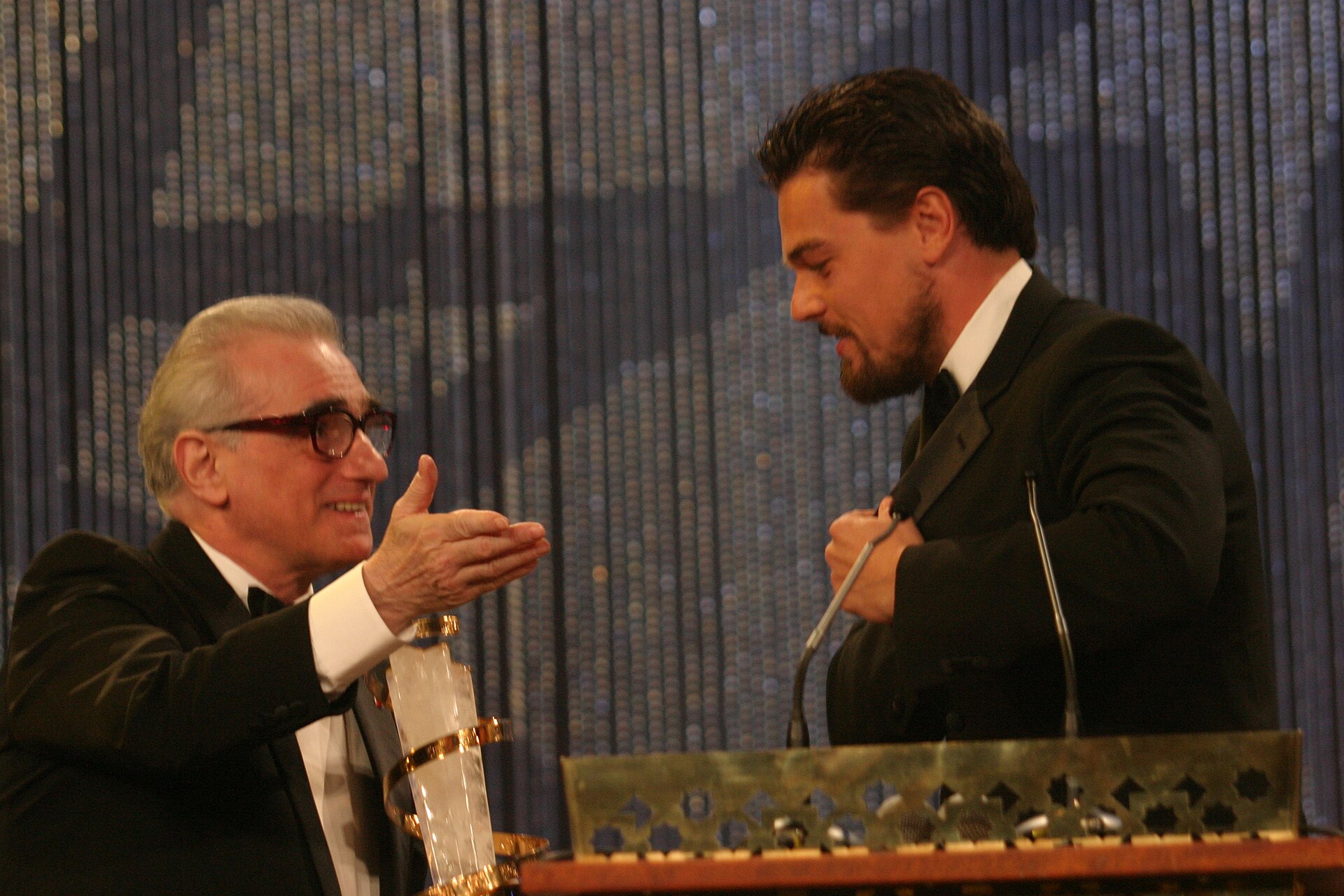
The Marrakech Film Festival concluded its 23rd edition with a strong showing of international prestige, drawing high-profile figures to Morocco despite a volatile geopolitical climate. Festival director Melita Toscan du Plantier highlighted the event’s resilience, noting that the gathering of global stars occurred even as other regional events faced cancellations or withdrawals.
The festival’s lineup featured a constellation of acclaimed actors and directors. Attendees included Luca Guadagnino, John Turturro, James Gray, Jeff Goldblum, Tilda Swinton, Monica Bellucci, and Arthur Harari. The roster also included Oscar hopefuls and emerging creators from across the Arab world and Africa, reinforcing the event’s status as a key stop on the international circuit.
Global Talent and Awards Season Buzz
Toscan du Plantier, who produced India’s Oscar entry Homebound last year, pointed to the festival’s growing influence on the awards season. The lineup included 11 films submitted for the international feature category. Notable titles included Cristian Mungiu’s Fjord, which won the Palme d’Or at Cannes, and Rwanda’s Ben Imana, a winner of the Cannes Camera d’Or.
Other high-profile screenings included Jesse Eisenberg’s The Debut, starring Julianne Moore, which opened the festival. Guadagnino’s film Artificial, featuring Sam Altman, and James Gray’s Paper Tiger were also showcased. Toscan du Plantier noted a significant presence of Academy voters and press, creating a strong atmosphere for industry networking.
“There are very often a lot of Academy voters here,” Toscan du Plantier said. She acknowledged that while the turnout might have been slightly lower than the previous year due to global uncertainties, the press presence remained robust.
Navigating Political Tensions and Local Growth
The festival operated against a backdrop of regional instability. Toscan du Plantier observed that bad news had made some international guests hesitant to travel long distances. She noted that some attendees mistakenly believed Morocco was close to conflict zones, whereas the country is geographically distant from Iran.
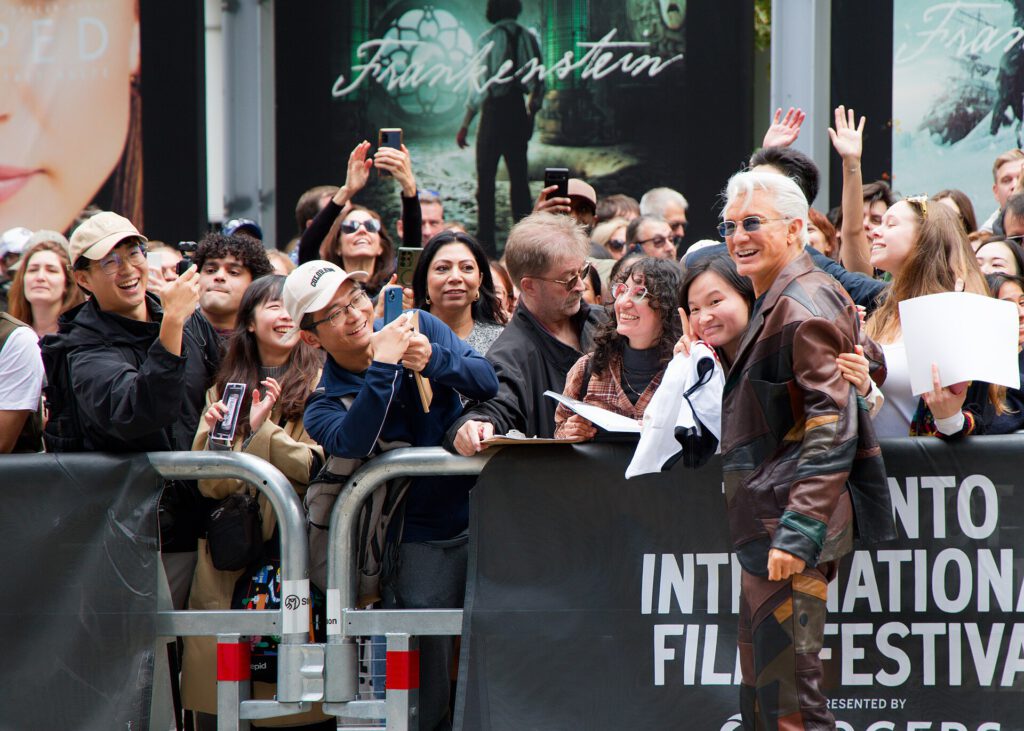
Despite these challenges, the festival remained a priority for King Mohammed VI, who established the event in 2001 to present a welcoming image of the Muslim world. However, the event did face a specific political hurdle. Days before the opening, the Algerian rights holder withdrew Palestinian filmmaker Abdallah Al-Khatib’s Chronicles From the Siege from competition, citing Morocco’s ties with Israel. The director opposed the decision, expressing disappointment that the creative team had no control over the withdrawal.
Toscan du Plantier expressed sadness over the incident, emphasizing the unfairness of silencing a Palestinian voice at such a critical moment. She highlighted the frustration of filmmakers who invest months into preparations only to have their projects pulled by distributors.
On the local front, the festival attracted a massive youth audience. Free access to screenings and masterclasses drew students from Morocco, the Maghreb, Africa, and Europe. Toscan du Plantier noted a significant increase in young women studying cinema, a trend she described as new and encouraging. The event showcased 76 films from 39 countries, with 10 world premieres and 12 Moroccan films.
The local industry has also expanded significantly. Morocco now produces around 30 films annually, up from just four in 2001. Many of these are low-budget comedies that perform well at the local box office. The festival’s Atlas Workshops, launched in 2018, continue to support emerging talent, with 42 films from the program having played at Cannes, Venice, and Berlin since 2019.
Toscan du Plantier cited Moroccan director Asmae El Moudir as a prime example of this success. El Moudir’s The Mother of All Lies won prizes at Cannes and Sydney after receiving support from the workshops. The festival director remains focused on supporting such ambitious creators, including French Senegalese director Ramata-Toulaye Sy, whose new project is currently in the financing stage.
Source: Variety
