


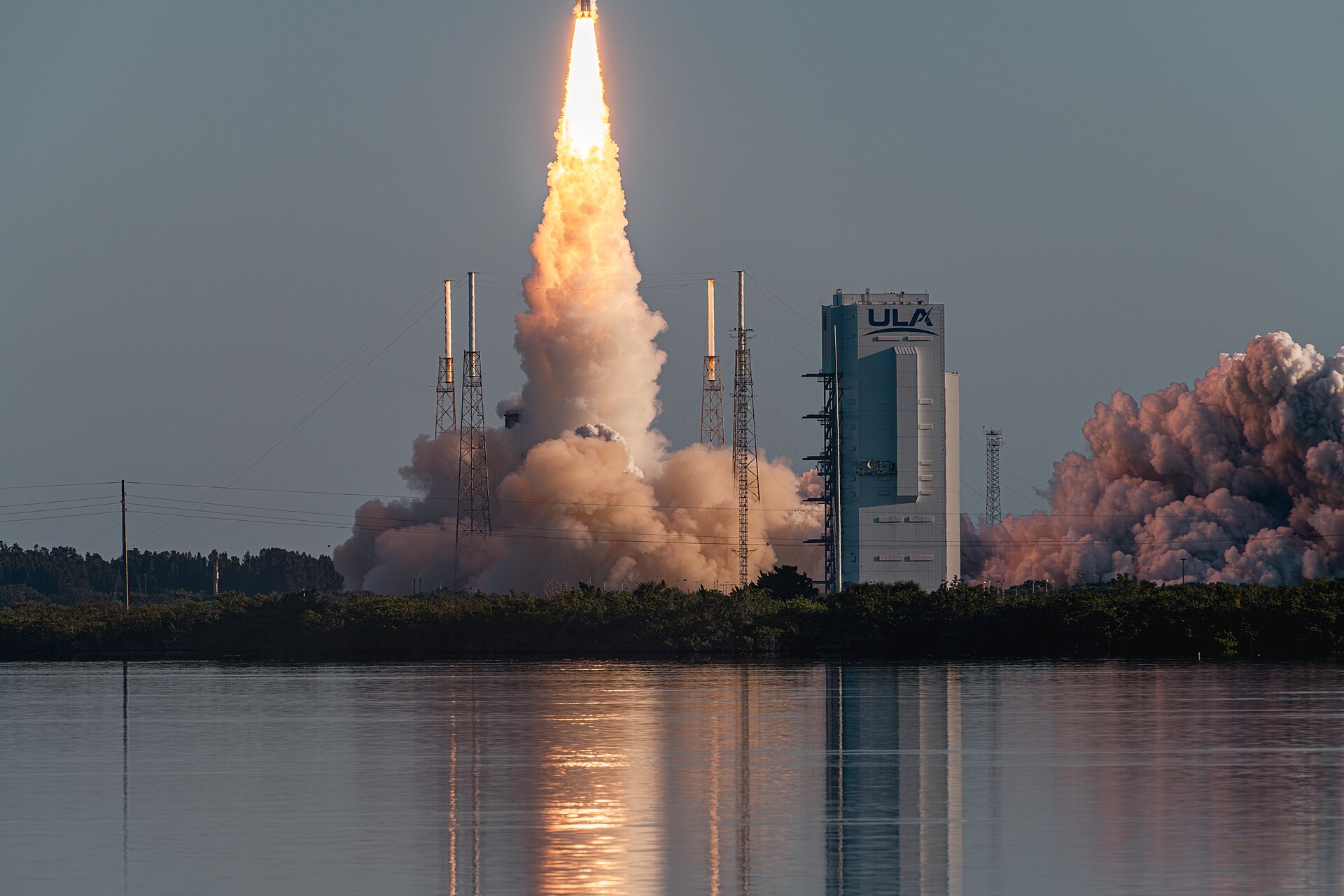
Delta Air Lines is facing a fresh obstacle in its plan to provide high-speed internet to passengers. The airline’s ambitious connectivity project relies heavily on Amazon’s Kuiper satellite network, which is currently struggling with a significant launch setback. A United Launch Alliance (ULA) rocket failed shortly after liftoff in mid-November, resulting in the total loss of its payload.
ULA Rocket Anomaly Destroys Payload
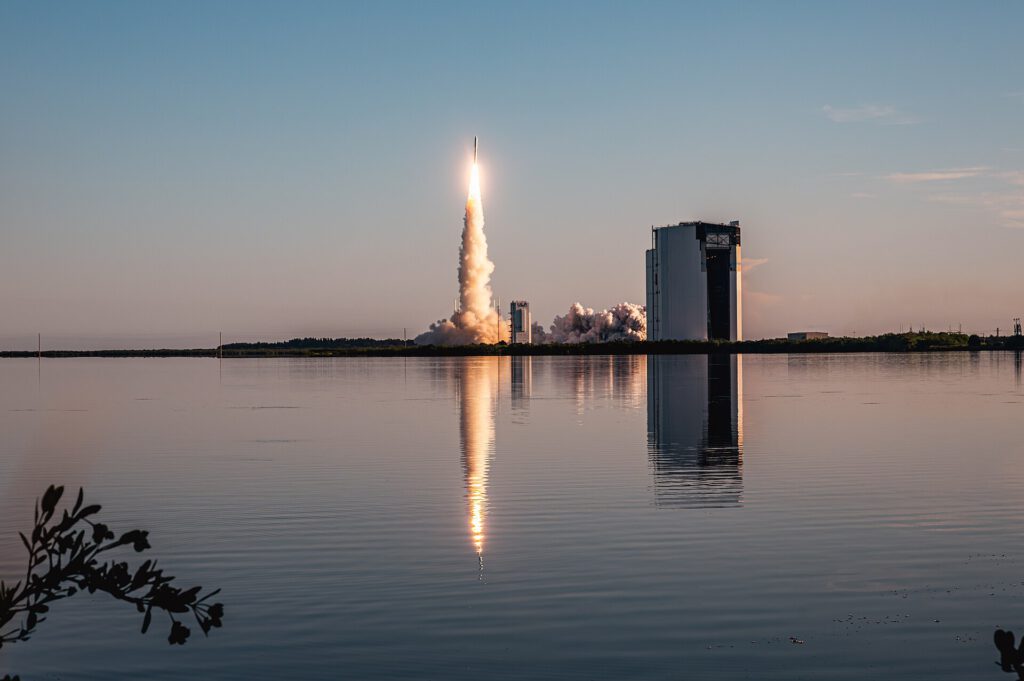
The incident occurred on November 15, when a Vulcan Centaur rocket experienced what ULA officials described as an anomaly during its ascent. The failure prevented the vehicle from reaching its intended orbit, causing the destruction of the 40 Amazon satellites it was carrying. These satellites were a critical component of Amazon’s strategy to build a low-earth orbit (LEO) internet constellation capable of providing global broadband coverage.
For Delta, which has partnered with Amazon to equip its fleet with Kuiper-based Wi-Fi, this loss represents a tangible delay in service availability. The airline has been preparing to install the necessary ground stations and onboard hardware to connect with the satellite network. The destruction of these 40 units reduces the immediate capacity of the network, forcing Amazon to accelerate future launch schedules to compensate for the gap.
Impact on In-Flight Connectivity
Delta has been working to upgrade its in-flight entertainment and connectivity systems to compete with other major carriers. The introduction of high-speed, low-latency internet via satellite is a key part of this strategy. Passengers have increasingly demanded reliable streaming and browsing capabilities during flights, a need that traditional air-to-ground systems often struggle to meet.
The loss of the satellites means that the timeline for full global coverage, particularly over oceans and remote regions, is likely to shift. While Delta has not issued a specific new launch date for its service, industry analysts suggest that the airline will need to adjust its rollout phases. The company must now wait for Amazon to replace the lost hardware before it can fully activate its connectivity promises in affected areas.
Amazon has stated that it is investigating the cause of the anomaly. The company has a robust launch cadence planned for the coming months, with multiple Vulcan missions already scheduled. These upcoming launches are essential to restoring the constellation’s density and ensuring that Delta and other partners can begin offering service as planned.
The failure highlights the risks associated with relying on new satellite constellations for critical infrastructure. While the technology offers significant advantages in speed and coverage, the dependency on a limited number of launch vehicles means that any single failure can have widespread consequences for downstream services. Delta and Amazon are now focused on mitigating these delays to keep their connectivity projects on track.
Source: Simple Flying
