



Researchers at the University of Pennsylvania have developed an experimental chewing gum that significantly reduced levels of human papillomavirus (HPV) in laboratory samples from head and neck cancer patients. The findings, published in Scientific Reports, indicate that the plant-based gum could serve as a new tool in the fight against oral cancers.
The study, led by Henry Daniell of the University of Pennsylvania School of Dental Medicine, tested extracts from a gum made from lablab beans. These extracts contained FRIL, a naturally occurring protein with antiviral properties. In saliva samples from patients, the gum extract lowered HPV levels by 93%. Oral rinse samples showed an 80% reduction.
Targeting Harmful Bacteria Without Disrupting Oral Health
Head and neck squamous cell carcinoma (HNSCC) develops in the thin, flat cells lining the mouth and throat. It is often difficult to treat once it spreads, and patients with advanced stages frequently face poor outcomes. Recent cancer medications have not significantly improved survival rates or quality of life for these patients.
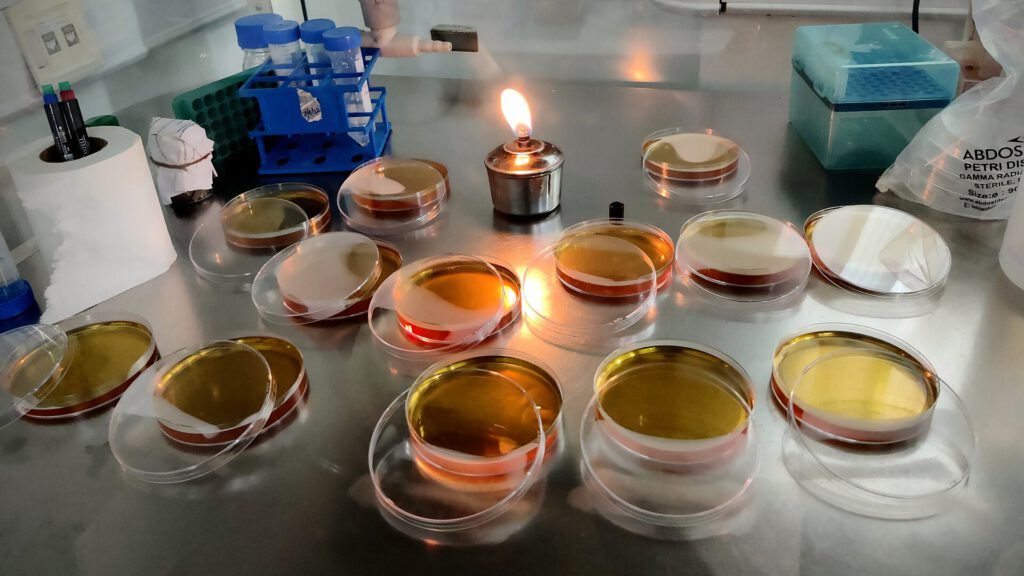
The research team focused on three specific microorganisms linked to the disease. Alongside HPV, they targeted Porphyromonas gingivalis (Pg) and Fusobacterium nucleatum (Fn). These bacterial species are associated with oral disease and poorer survival rates in patients with recurrent or metastatic oral cancer.
To address these bacteria, the researchers engineered a second version of the gum containing protegrin, an antimicrobial peptide. A single dose of this enhanced extract reduced both Pg and Fn to almost undetectable levels. Crucially, the treatment did not harm beneficial bacteria in the oral microbiome. This selectivity is important because many cancer treatments, such as radiation therapy, can disrupt the balance of oral microbes, leading to secondary infections like Candida albicans.
From Lab Bench to Clinical Trials
While the results are promising, the study relied on laboratory testing of patient samples rather than clinical trials where humans chewed the gum. Further research is required to confirm whether these effects translate to the human mouth and whether reducing these microbes improves cancer outcomes.
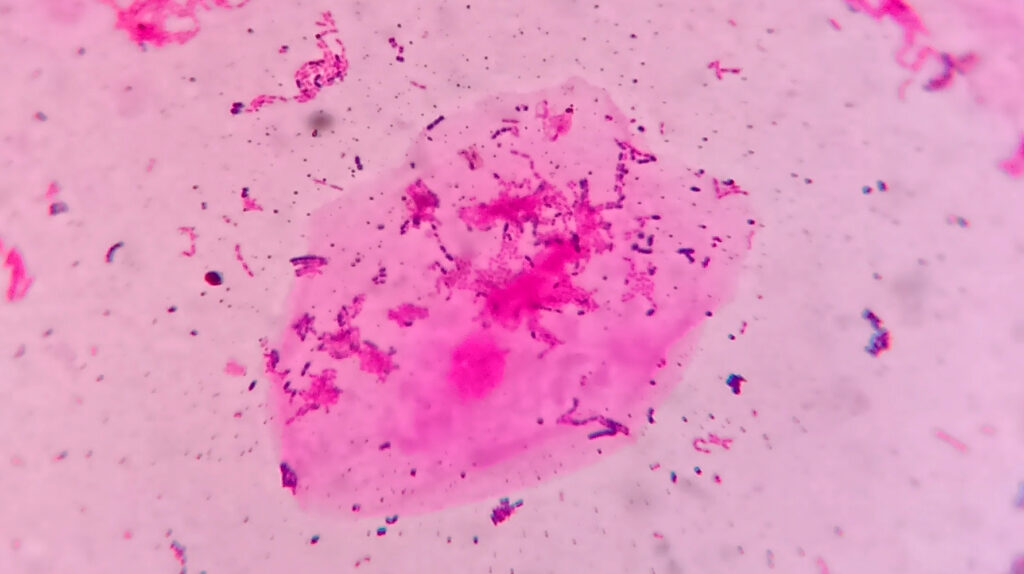
Daniell emphasized the urgency of advancing this technology. He noted that lip and oral cavity cancer was the seventh leading cancer type in incidence and mortality among adolescents, young adults, and middle-aged adults in 2022. The team believes the gum could eventually be used as an adjuvant therapy alongside current treatments or as a prophylactic measure to prevent infection.
The technology offers a potentially affordable and simple way to deliver protective proteins directly into the mouth. If future clinical trials confirm its safety and effectiveness, this everyday product could become a standard part of the medical toolkit against dangerous oral infections and cancers.
Source: ScienceDaily
