


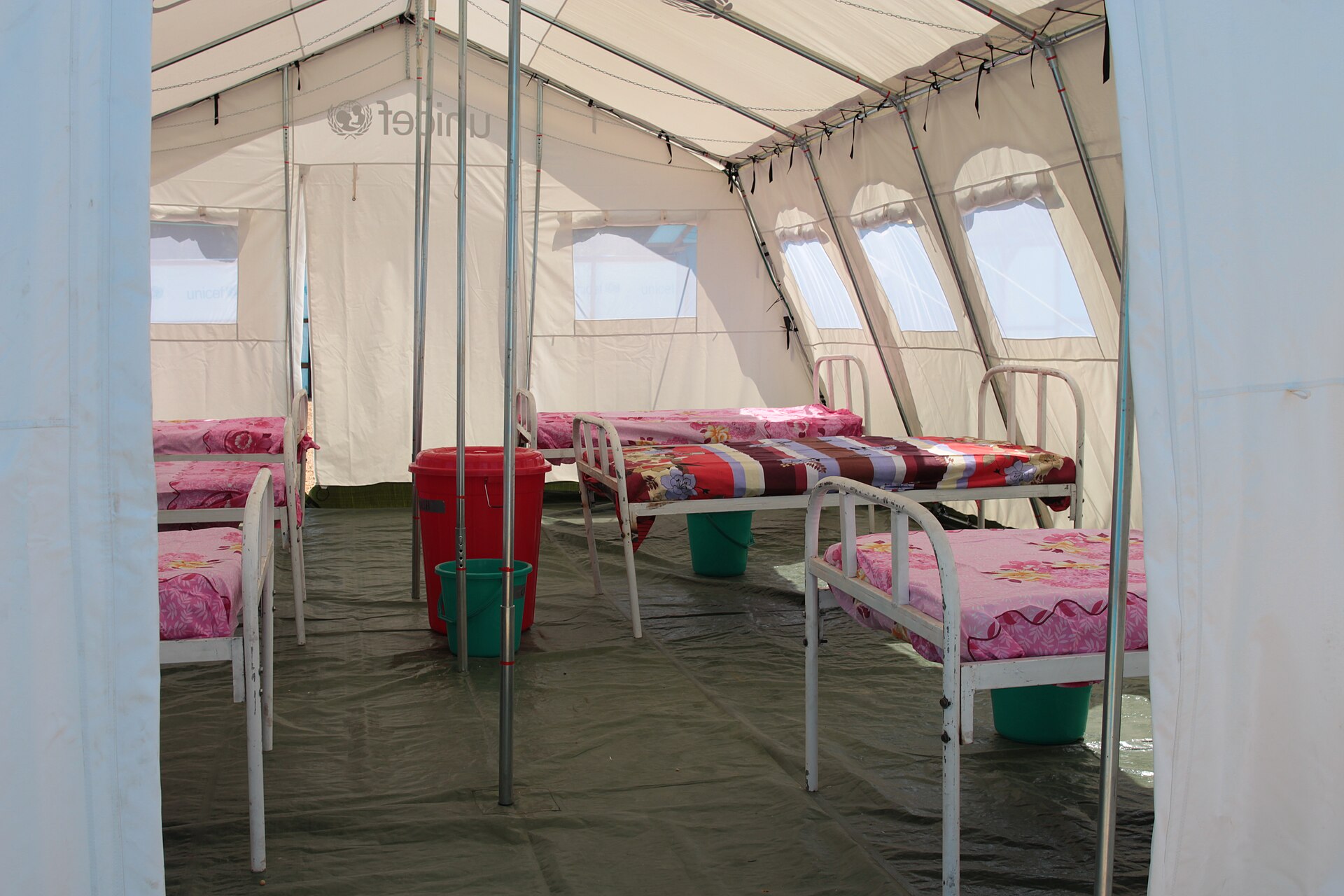
Congo’s Ebola outbreak has surpassed 11,000 cases, marking the deadliest episode of the disease in the nation’s history. The government announced Wednesday that health ministry data confirms 11,042 people have been infected with the virus since the outbreak was declared in mid-May.
The death toll stands at 5,387, accounting for nearly half of all confirmed infections. According to the source, this fatality rate and total case count place the current crisis as the most severe in Congo’s recorded history.
Spread of the Bundibugyo virus
The current outbreak is caused by the Bundibugyo virus, a strain for which there is no known vaccine or specific treatment. This lack of medical countermeasures has complicated containment efforts significantly.
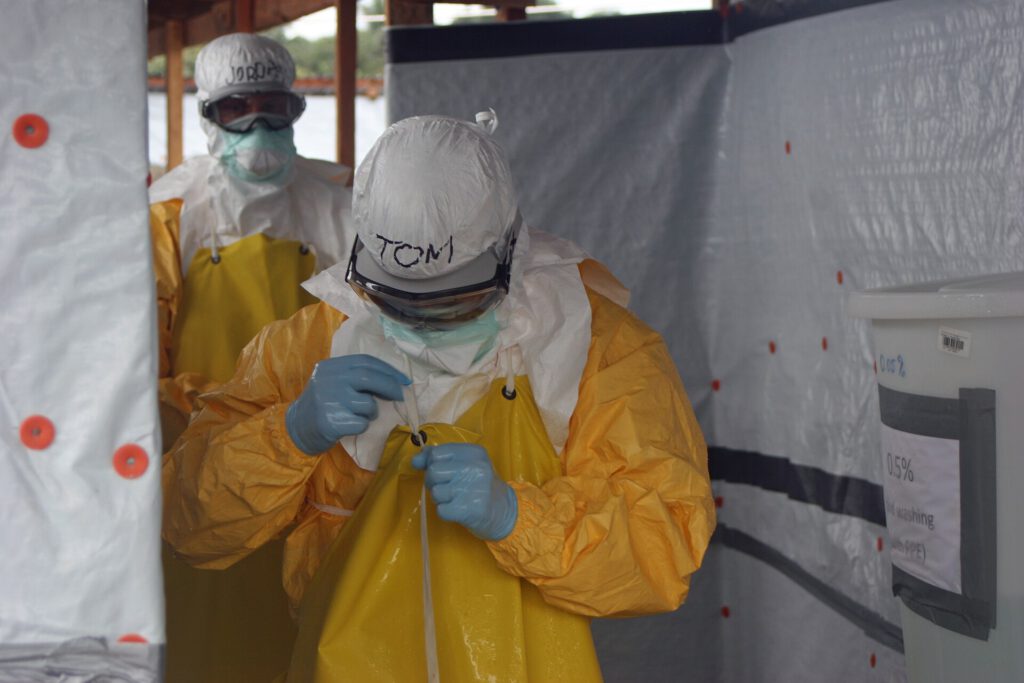
Since May, the virus has spread across eight of the country’s 26 provinces. Health authorities are particularly concerned about the resurgence of violence in Ituri and North Kivu provinces, which serve as major hotspots for the disease.
Experts have called for more efforts to slow and contain the disease in Congo. The spread has extended beyond national borders, with cases reported in neighboring African countries including Uganda, Kenya, and Nigeria.
Challenges in containment
Containment efforts have been hindered by a combination of armed conflict, a fragile health system, and poor infrastructure. Violence from residents fueled by mistrust and misinformation has further obstructed response teams.
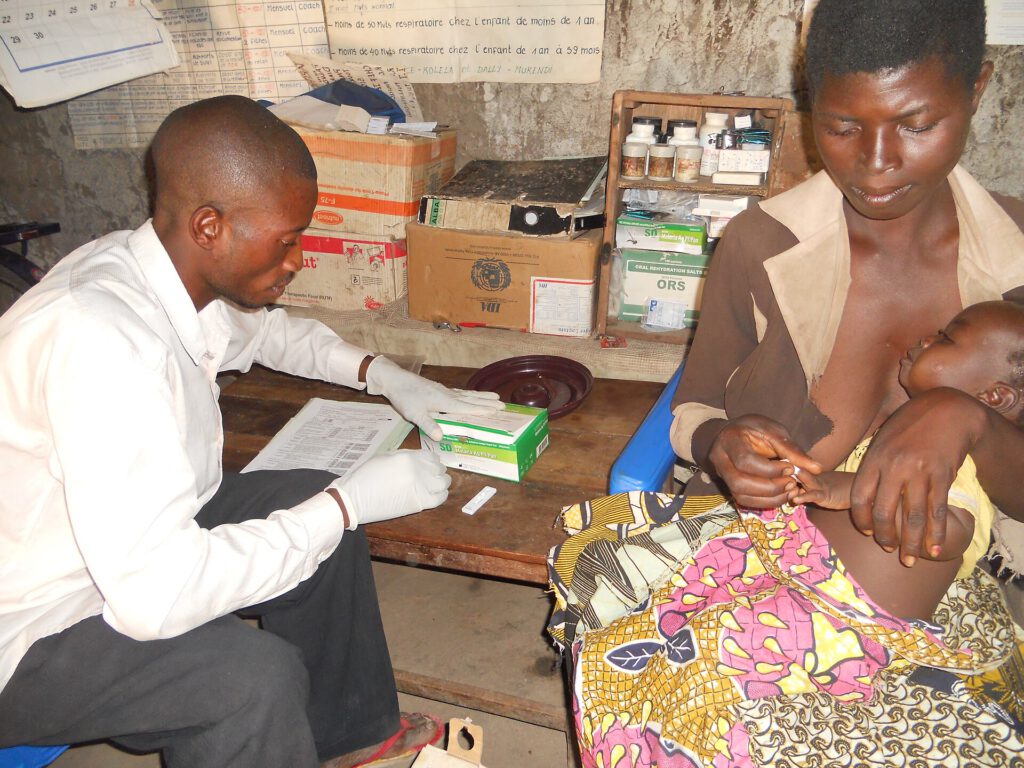
Health facilities and medical professionals have been targeted by communities skeptical of the virus. Several attacks on health workers have been reported, forcing response teams to operate in dangerous conditions.
Health authorities are calling for a halt to fighting in the affected regions to allow health workers unhindered access to the sick. The combination of security risks and logistical barriers has made it difficult to reach affected populations effectively.
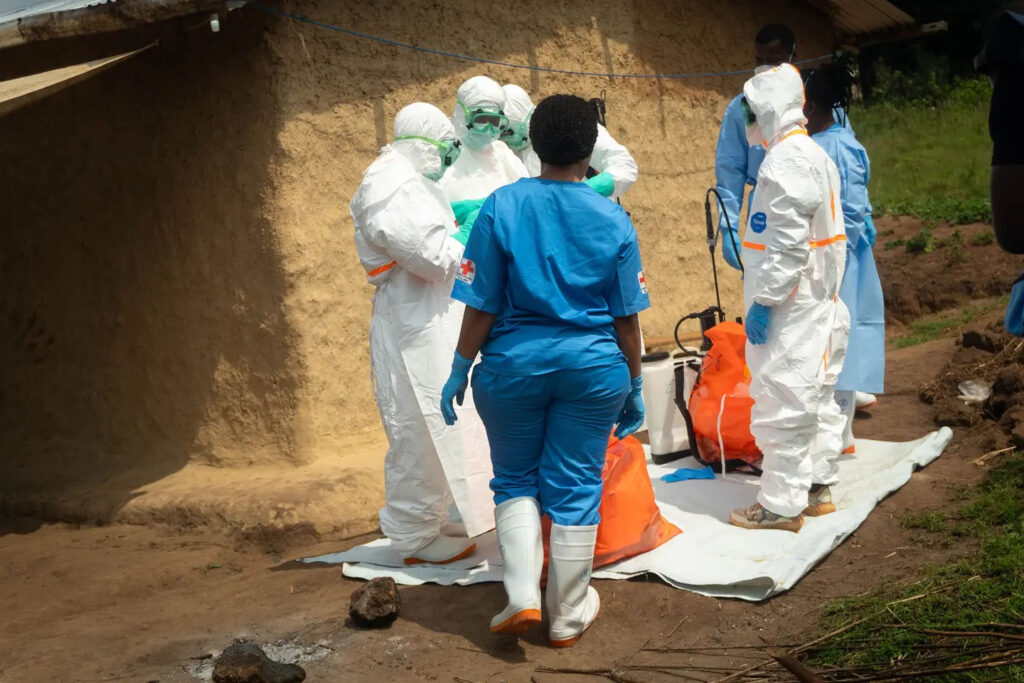
The current outbreak has already had at least three times the number of cases and deaths in the time since it was declared, compared with the West Africa outbreak of 2014 to 2016. That earlier epidemic resulted in 28,000 infections and more than 11,000 deaths.
Dozens of Ebola outbreaks have been reported since the disease was first discovered in 1976. The current situation in Congo represents a significant escalation in terms of speed and geographic spread compared to previous episodes.
Source: NPR
