


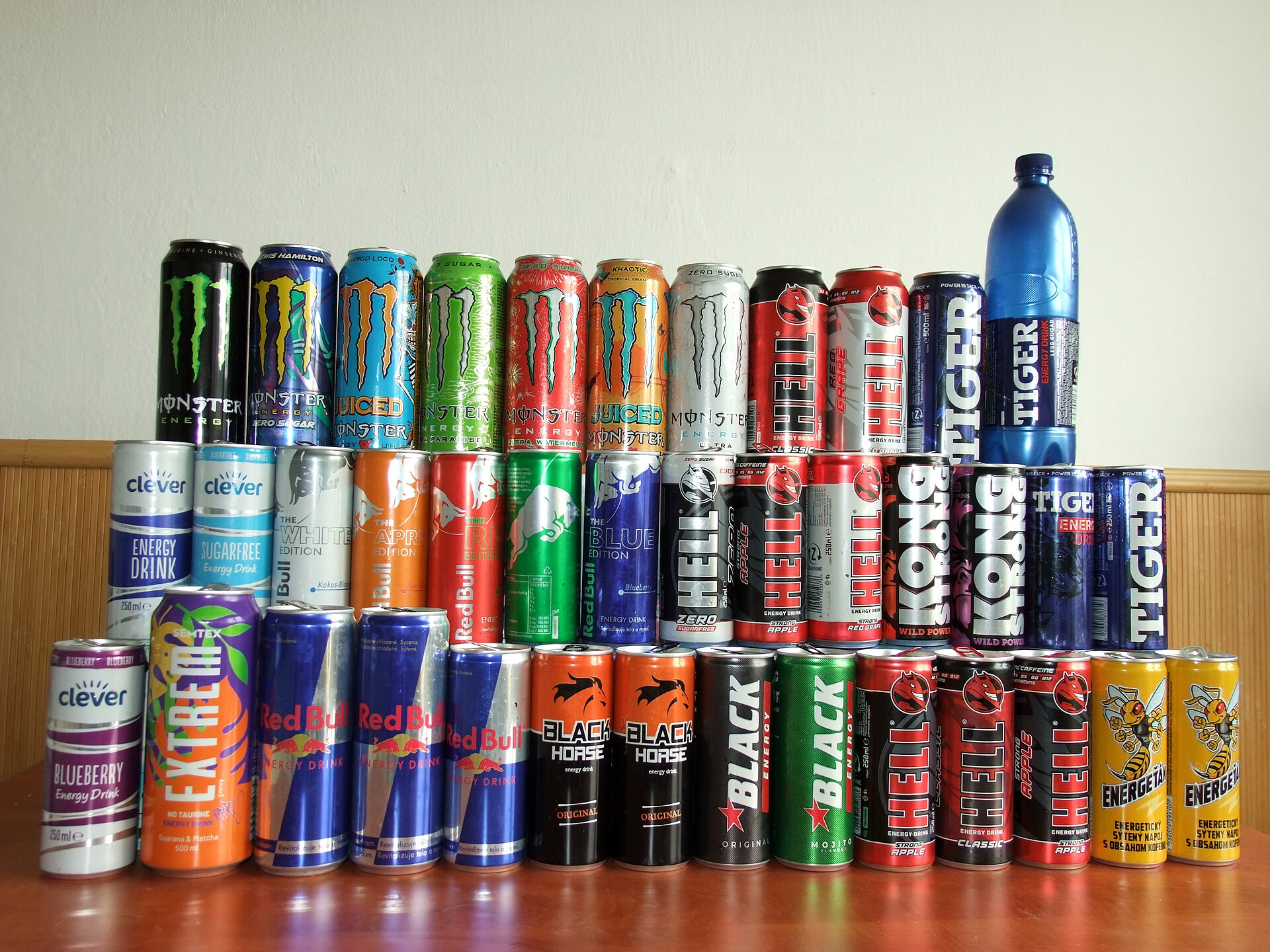
Products containing caffeine and other stimulants appear far more frequently in federal safety reports of serious heart emergencies than non-stimulant items, according to preliminary research presented at the American Heart Association’s Scientific Sessions 2026. The data highlights a particular concern for younger adults, with individuals aged 18 to 34 accounting for a substantial share of the reported cardiovascular issues.
Analysis of FDA Adverse Event Reports
Researchers examined 28,345 reports of suspected adverse reactions submitted to the U.S. Food and Drug Administration (FDA) database between 2017 and 2025. The study compared 854 reports involving energy drinks or dietary supplements containing caffeine or other stimulants against 27,491 reports for products without these ingredients. The comparison group included soft drinks, smoothies, vitamins, protein bars, and meal replacement shakes.
The analysis found that reports of cardiac arrest were 11 times more frequent in the stimulant group compared to the comparison group. Reports of heart attacks were 4.5 times more common in the stimulant category. The researchers classified products by their ingredients, including caffeine, methylxanthines such as guarana and yerba mate, and sympathomimetics like synephrine and DMAA.
These statistics describe the frequency of medical problems within the database. They do not prove that energy drinks or stimulant supplements cause these medical emergencies. The voluntary nature of the reports means the database does not capture every incident, nor does it account for the total number of people who consume these products without experiencing adverse effects.
Regulatory Gaps and Caffeine Concentrations
The energy drink industry has seen rapid growth, with sales exceeding $20 billion in 2024. Despite this expansion, scientists have limited information about the long-term cardiovascular effects of these widely available products. The FDA classifies energy drinks and stimulant supplements as foods or dietary supplements. This classification exempts them from the rigorous safety testing required for medications before they enter the market.
Caffeine concentrations vary dramatically across products. Some energy drinks contain up to three times as much caffeine per fluid ounce as brewed coffee. Certain pre-workout supplements contain more than 12 times the concentration found in standard coffee. A 2026 American Heart Association Scientific Statement notes that most adults can generally consume up to 400 mg of caffeine daily without significant safety concerns. However, regular consumption of high-stimulant products can quickly exceed this recommended limit.
Sai Samayamanthula, a fourth-year medical student at the University of Virginia School of Medicine and study author, noted that these products are often marketed as everyday pick-me-ups. He stated that while occasional use by healthy individuals likely carries a small risk, regular consumers may quickly exceed safe caffeine limits. He emphasized the importance of awareness regarding potential cardiovascular harm.
Concerns Among Younger Adults
The disproportionate number of reports involving younger adults remains a key focus of the research. Researchers have not yet determined why the connection between stimulant products and reported heart problems appears so frequently in this age group. Several factors may contribute to this pattern.
Younger consumers may use energy drinks and stimulant supplements more often, increasing the likelihood that these products appear in emergency reports. The circumstances surrounding consumption could also play a role. Potential contributing factors include using these products before intense exercise or mixing them with alcohol or other substances. Some individuals may also have previously undiagnosed heart conditions that make them more susceptible to cardiovascular complications.
Gregory M. Marcus, M.D., M.A.S., FAHA, chair of the 2026 American Heart Association scientific statement on caffeine and cardiovascular disease, cautioned against interpreting the findings as proof of direct causation. He noted that while biological reasons suggest a possible connection, other factors may have influenced the results. He called for more research to understand whether these stimulant products are truly responsible for the reported heart-related events.
The research team recommends more systematic safety monitoring of caffeine- and stimulant-containing products. Healthcare professionals are advised to ask younger patients who experience palpitations, chest pain, or fainting spells if they regularly consume these products. Further studies are needed to determine the actual likelihood of heart attacks or cardiac arrest among consumers of energy drinks and stimulant supplements.
Source: ScienceDaily
