



Questions are mounting regarding the role and awareness of Nvidia’s security team following the abrupt departure of CEO Jensen Huang. The scrutiny intensified after it was revealed that Huang left the company just two and a half months after David Reber, Nvidia’s longtime chief security officer, stepped down. Reber cited health reasons for his exit, disclosing a Parkinson’s diagnosis, but the timing coincides with growing internal and external concerns about the company’s leadership and security posture.
Leadership Transition and Megaspeed Ties
Reber, who served as chief security officer for four years, left in August. He was replaced by Saša Zdjelar, a former senior IT manager at ExxonMobil with subsequent experience at Salesforce and the cybersecurity firm ReversingLabs. Zdjelar did not respond to requests for comment regarding the transition or what the security team knew about the circumstances surrounding Huang’s departure.
Huang’s exit was triggered by reports of extramarital relationships. The scandal began with an affair involving an executive at Megaspeed, a Singapore-based data center company. U.S. investigators suspect Megaspeed of funneling Nvidia chips to China. The situation widened to include reports of two separate affairs with Nvidia employees. Megaspeed has denied any wrongdoing.
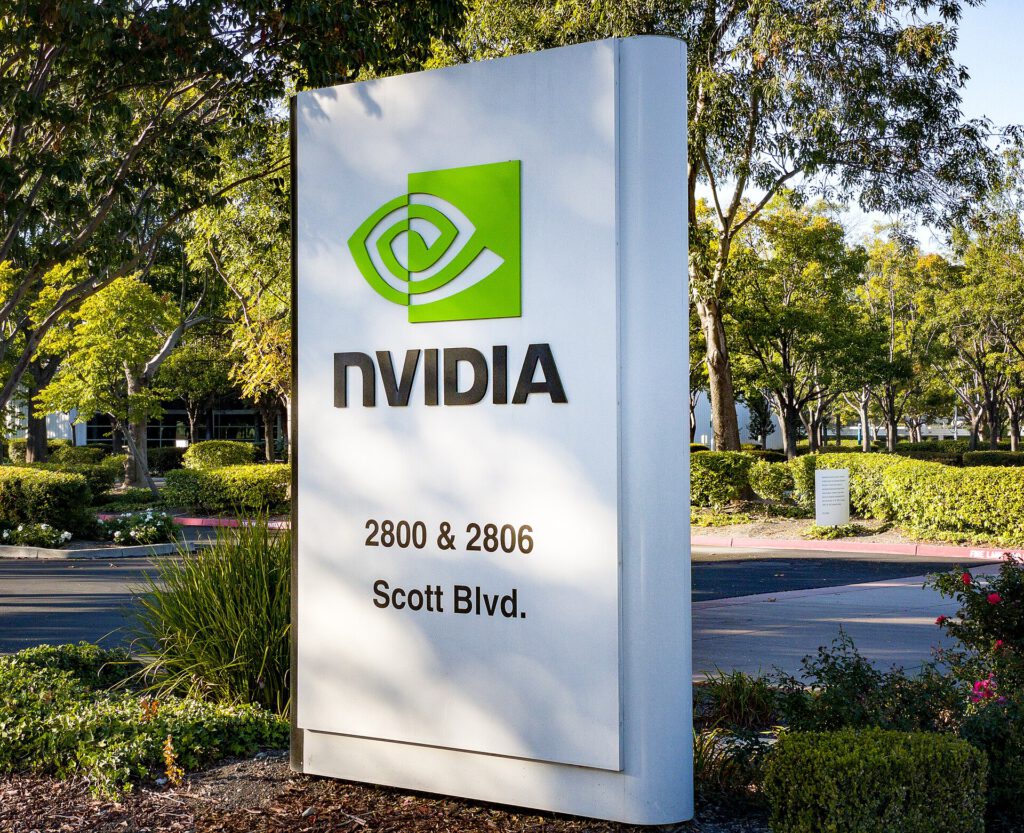
While relationships between a CEO and employees typically fall under the jurisdiction of human resources, legal departments, and the board, security specialists argue that such personal entanglements can create significant vulnerabilities. A foreign intelligence service could potentially leverage an executive’s desire to keep an affair private to gain influence or extract sensitive information.
Espionage Risks and Security Challenges
Nicholas Eftimiades, a retired senior intelligence officer who has trained more than 1,000 corporate security professionals, noted that intelligence services often collect information through everyday conversation rather than technical hacking. This makes it difficult for security teams to identify risks, especially when those risks are tied to personal relationships.
Some individuals within Nvidia were aware of parts of the situation. The company’s top lawyer was engaged with the government’s Megaspeed inquiry more than a year ago, according to reports. Colleagues also knew of Huang’s relationships with employees, even though such behavior is not expressly forbidden by Nvidia’s code of conduct. It remains unclear whether these concerns were raised to the security team.

Eftimiades pointed out that security teams are often underfunded because they do not directly drive revenue. He stated that it is common for CEOs to limit security spending to basic compliance requirements. Many companies also define security too narrowly, focusing on physical threats and cyberattacks while neglecting insider threats and the cultivation of executives by foreign intelligence services.
The tactics used by foreign intelligence services are not new. Eftimiades said that any executive dealing with China is likely to have been approached. He noted that modern espionage relationships often last for years, unlike the shorter engagements of the Soviet era. Technology can augment these human intelligence efforts, with devices like IMSI catchers costing as little as $1,000 for basic versions. These devices mimic cell towers to intercept nearby phone communications.

It is not known if such devices were used against Huang, whose phone was presumably hardened against compromises. The full extent of what Nvidia’s security team knew and whether it could have acted on that information will become clearer as the board’s independent investigation and federal inquiries proceed.
Eftimiades expressed hope that the episode serves as a wake-up call for U.S. industry, which he described as largely unaware of China’s espionage tactics. He estimated that the United States has lost trillions of dollars in intellectual property and stated that current countermeasures are not working.
Source: TechCrunch
