


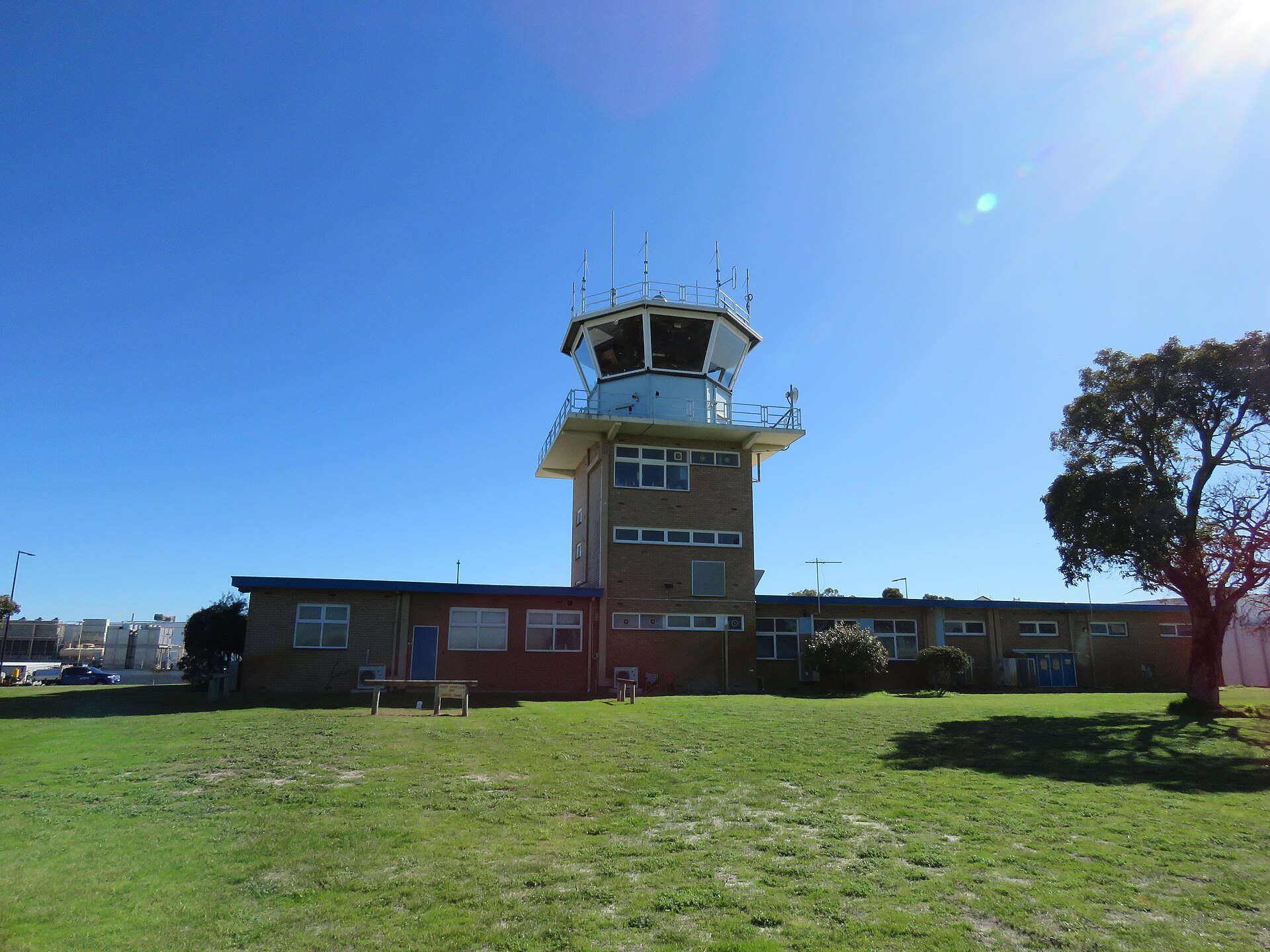
A leaked air traffic controller schedule has exposed the intense working conditions driving the current ATC staffing crisis in the United States. The roster, obtained by The Washington Examiner, shows controllers scheduled to report to their facilities every single day for two consecutive weeks. This pattern of relentless duty highlights the severe operational strain caused by a national deficit of more than 3,000 air traffic controllers.
Leaked Roster Details 14-Day Work Periods
The document, which covers the period from September 20 to October 3, outlines a grueling rotation. Controllers began their schedule with a midnight shift and worked through to a Saturday night shift, with only one nominal day off on a Friday. This resulted in controllers reporting for duty on every calendar day for a 14-day stretch.
Within a single week, the schedule included a “Rattler Shift,” where controllers started at 1:00 PM and worked mandatory overtime throughout the week. Other rosters indicate that mandatory overtime frequently extends a standard five-day rotation into a six-day workweek. Backwards rotating start times also shift from afternoon shifts to early mornings within a matter of days, disrupting sleep cycles and recovery time.
These schedules surfaced following a standoff between air traffic controllers and the Federal Aviation Administration (FAA). The agency approved a 2.8% pay raise, but Administrator Bryan Bedford has stalled its implementation. Controllers have been instructed to spend at least five hours of an eight-hour shift actively working traffic positions. Union leaders argue this requirement reduces time spent on radar or tower scopes, which are critical for managing air traffic safely.
Staffing Levels Fall Below Safety Thresholds
The Federal Aviation Administration currently faces a shortfall of more than 3,000 controllers nationwide. Staffing levels have fallen below the 85% minimum threshold at 20 of the 26 busiest airports and facilities. Less than 10% of US airport control towers remain fully staffed, according to the source data.
Chronic understaffing has led to long shifts across consecutive days, pushing controllers to their physical limits. Fatigue rules mandate a minimum of ten hours off between standard shifts and 12 hours off before midnight shifts. However, controllers and union leaders warn that the relentless overtime leaves too little time for individuals to rest adequately. The National Air Traffic Controllers Association (NATCA) has pushed back against the FAA’s efficiency metrics, noting that non-scope time is required for mandatory weather briefings, training, and federally mandated recuperative breaks following high-stress radar sessions.
The withholding of the pay raise after years of mandatory six-day workweeks has accelerated retirements and attrition within the agency. This attrition makes it even harder to rebuild the workforce and address the existing deficit. The compounding strain is evident in the system’s vulnerability to disruptions. A recent nationwide router outage left airlines grounded across the country, displacing millions of passengers, canceling more than 10,000 flights, and leaving airline crew timed out and aircraft stranded.
At understaffed facilities, the absence of just one or two workers can force the FAA to limit arrival or departure rates at major hubs like New York, Newark, Los Angeles, or Atlanta. These limitations can trigger ground stops or ground delay programs even on clear-weather days. The intense work schedules raise serious questions about how these professionals can maintain high standards in high-pressure environments while the agency operates at the limit of its staffing capacity.
Legacy systems and aging telecommunications infrastructure further exacerbate the situation. The massive communications and radar failure on Friday highlighted these vulnerabilities, leading to a historic nationwide ground stop. With the 3,000-controller shortfall and the stalled 2.8% raise, airports continue to operate at the limit of required staffing thresholds, leaving the system fragile and dependent on the endurance of an overworked workforce.
Source: Simple Flying
