


Wi-Fi 8 is shifting its primary design goal from raw speed to connection stability. While the current generation, Wi-Fi 7, offers theoretical speeds up to 23 Gbps, real-world performance often falls short due to poor wall penetration and short range. The next standard, formally known as 802.11bn, is being developed to address these reliability gaps, with final approval expected in 2028.
Addressing Congestion and Weak Signals
Most home internet plans currently operate at a few hundred megabits per second, a pace that Wi-Fi 6 handles easily. Even 2 Gbps fiber connections are manageable with Wi-Fi 7, provided the device is close to the router. However, issues arise in dense living situations, such as apartment buildings with multiple competing networks, or when moving between rooms in a large house.

The 802.11bn standard, nicknamed “Ultra High Reliability,” targets specific pain points. It aims to deliver 25 percent better throughput for weak signals and 25 percent fewer dropped packets, particularly during handoffs between access points. Latency is also expected to drop by 25 percent during moments of high interference.
These improvements rely on better coordination between access points. Current routers share channels by taking turns, a method that can be inefficient. Wi-Fi 8 refines this process, allowing compatible devices to coordinate transmissions more effectively. This feature is designed to work best with mesh network systems, which are increasingly common in larger homes.
Early Hardware and Draft Specifications
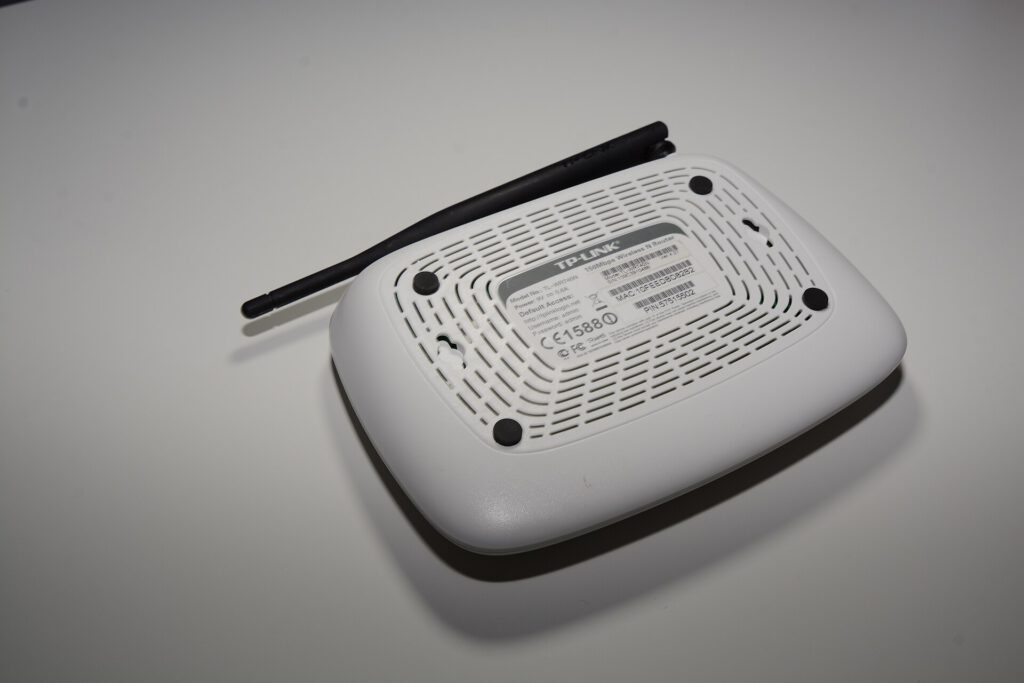
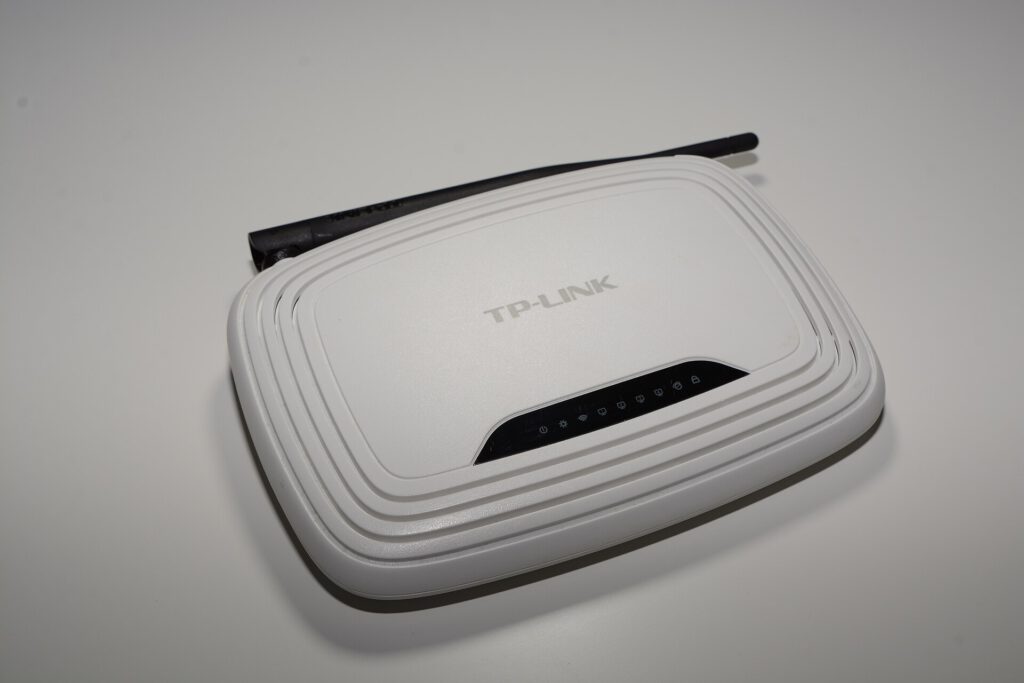
Companies like ASUS and TP-Link have already announced routers based on the draft specification for Wi-Fi 8. However, these devices offer little immediate benefit. For the new standard to function, both the router and the connecting device, such as a smartphone or laptop, must support it. Since the final standard is not expected until 2028, early adopters are investing in future-proofing rather than gaining immediate performance gains.
There is also uncertainty regarding the final features. Devices built on the draft spec may not support every aspect of the finalized 802.11bn standard. Experts suggest that for most users, Wi-Fi 7 remains a reasonable choice for new purchases. In many cases, simply repositioning an existing router to a more central location will yield better results than upgrading to a draft-spec device.
The industry is preparing for a shift where consistency matters more than peak speed. As more devices connect to home networks, the ability to maintain a stable connection in congested areas will become a key differentiator for networking hardware.
Source: Engadget
