


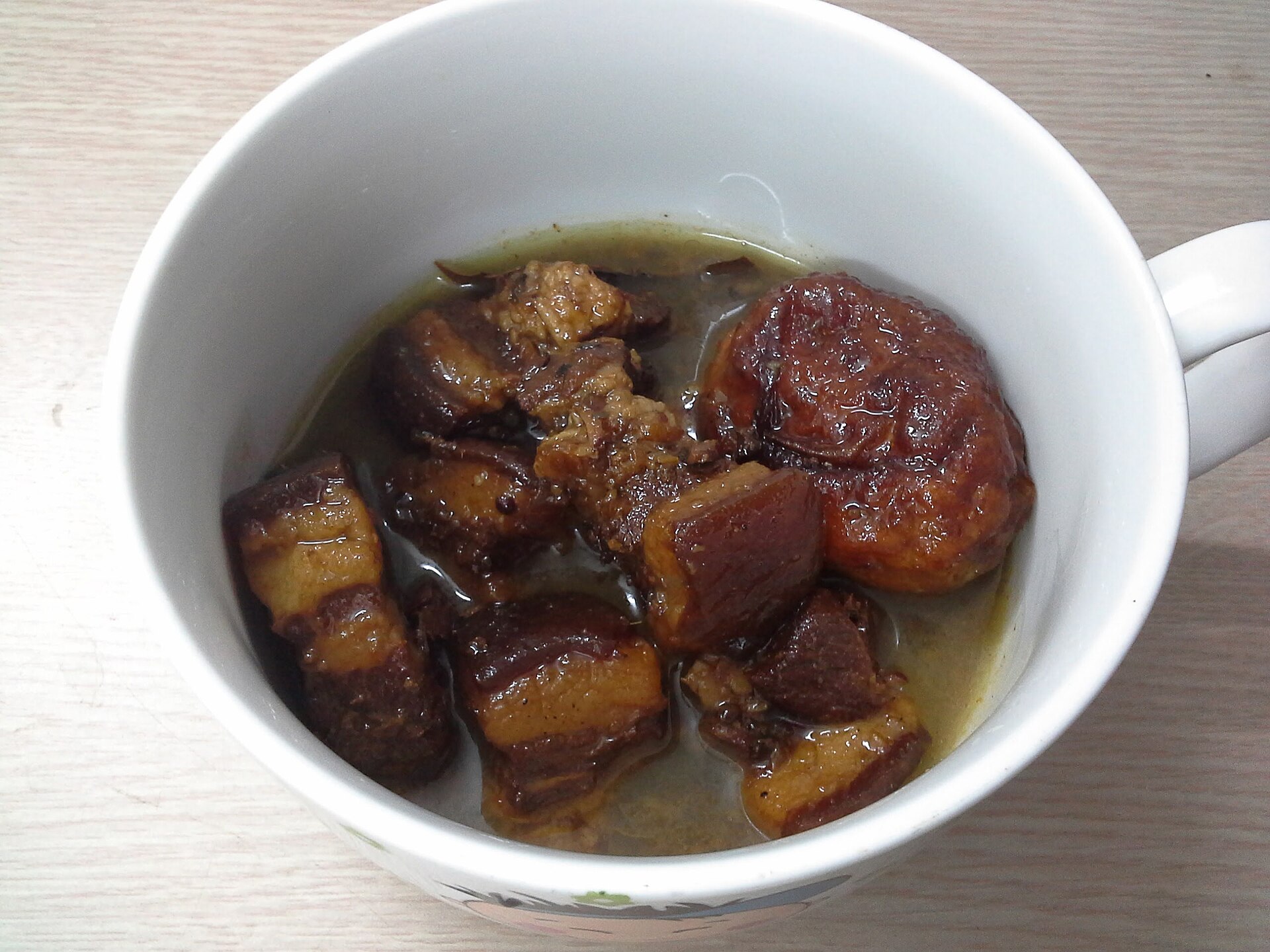
Vietnamese caramel pork, known as thit kho, is a staple of home cooking in Vietnam. The dish features slow-cooked pork in a sweet and salty glaze. It is often served during the Lunar New Year, or Tet, to celebrate abundance. The rich flavor comes from a combination of caramelized sugar, coconut water, and fish sauce.
Choosing the Right Pork Cut
The most traditional cut for this dish is pork belly. The fat is evenly distributed, which prevents dry spots during the long cooking process. Some cooks prefer a mix of pork belly and shoulder. This ratio helps balance the richness of the fat with leaner meat. Avoid using pork leg, as it tends to become dry and stringy after braising.
Keep the skin on if possible. The rind adds texture and flavor to the sauce. Bones can also be left in to enhance the depth of the braise. If you use bone-in meat, adjust the weight of the meat accordingly. For those who do not eat pork, chicken thighs or beef shoulder are acceptable substitutes.
Building the Caramel Base
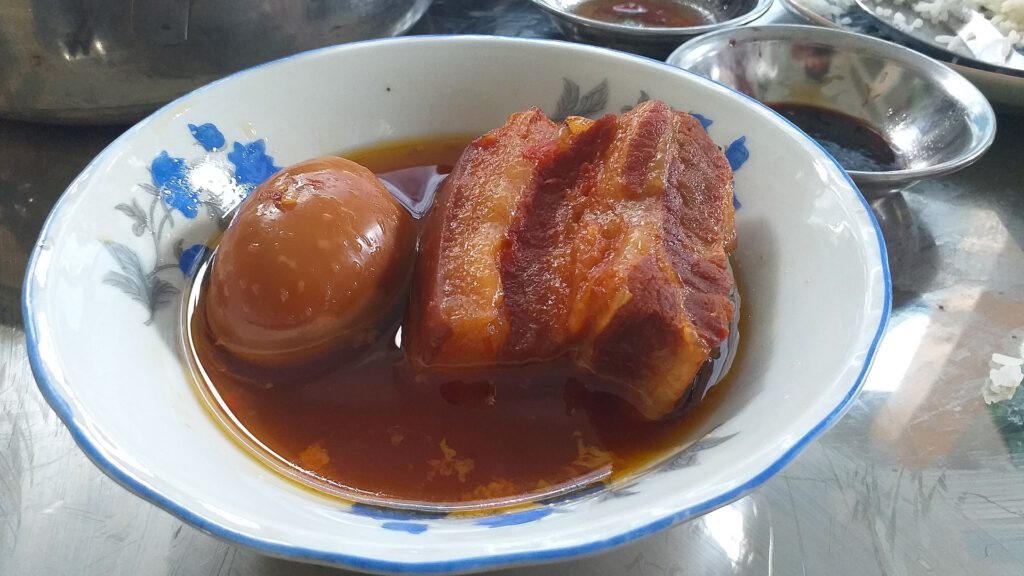
The foundation of thit kho is the caramel sauce. White sugar is melted in a pan until it turns a deep golden brown. Hot water is then added carefully to stop the cooking process. This creates a liquid caramel that coats the meat.
Aromatics are added to the pan to build flavor. Fresh ginger and crushed garlic cloves are common choices. Coarsely ground black pepper is essential for the earthy heat that defines the dish. Some recipes call for marinating the meat overnight with these ingredients. However, adding them directly to the pan is simpler and allows the natural flavor of the pork to shine.
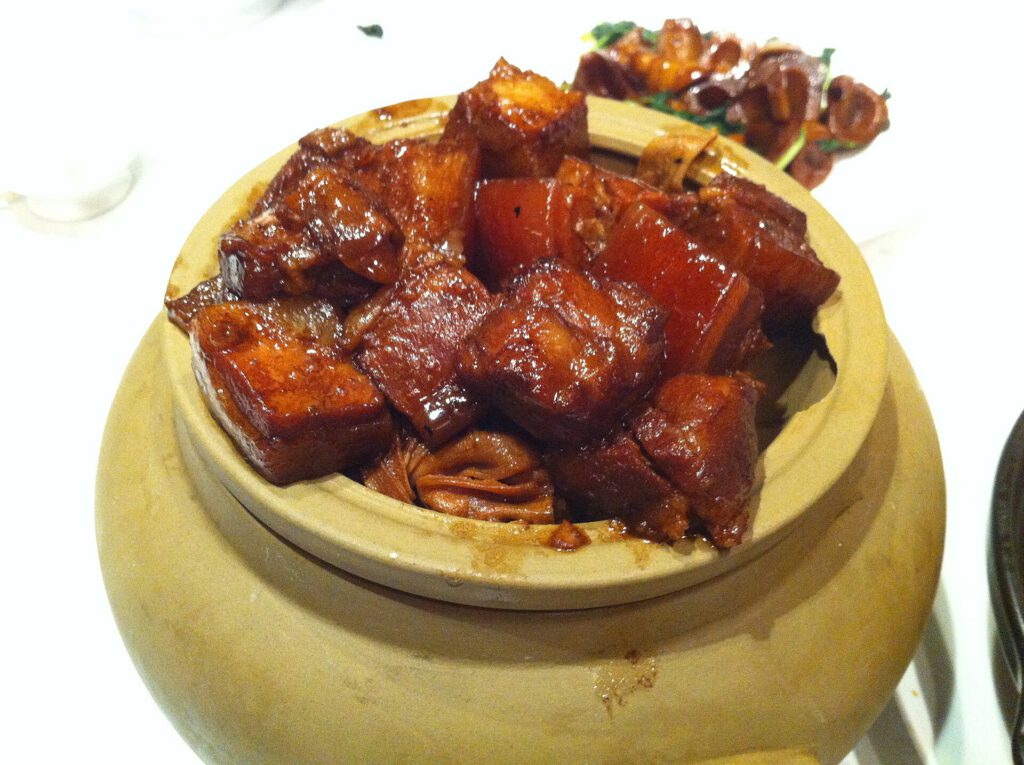
Coconut water is the primary liquid for the braise. It provides a subtle sweetness that balances the savory fish sauce. Fresh green coconut juice is ideal, but bottled coconut water works well. Avoid using soda like Coke as a substitute, as it alters the flavor profile significantly.
Slow Cooking and Serving
After combining the pork, caramel, coconut water, and fish sauce, the mixture is brought to a simmer. The heat is then reduced, and the pot is covered. The dish cooks gently for about one hour and forty-five minutes. This slow process breaks down the connective tissue in the meat, resulting in a tender texture.
Hard-boiled eggs are added to the pot during the final five minutes of cooking. They absorb the savory sauce and provide a protein-rich complement to the pork. Quail eggs can be used for a more delicate presentation.
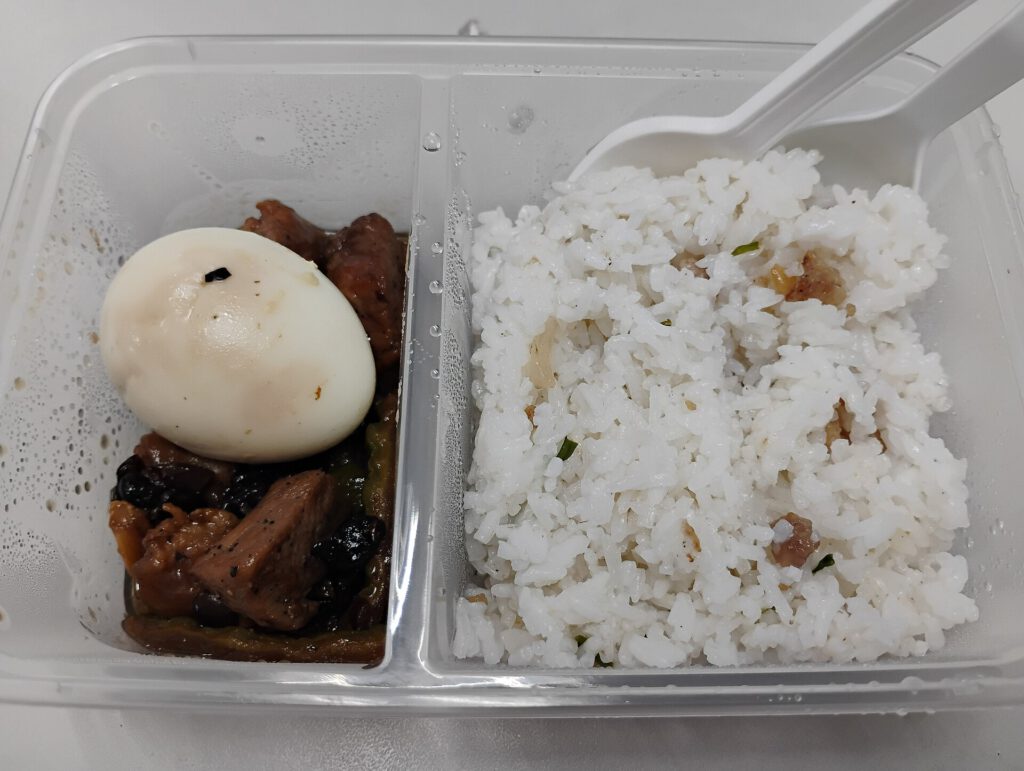
The finished dish is served with steamed jasmine rice. The rice soaks up the rich sauce. Pickled mustard greens are often served on the side to add a crisp, acidic contrast. The flavors of thit kho improve after a day in the refrigerator, making it an excellent choice for meal prep.
Source: The Guardian
