


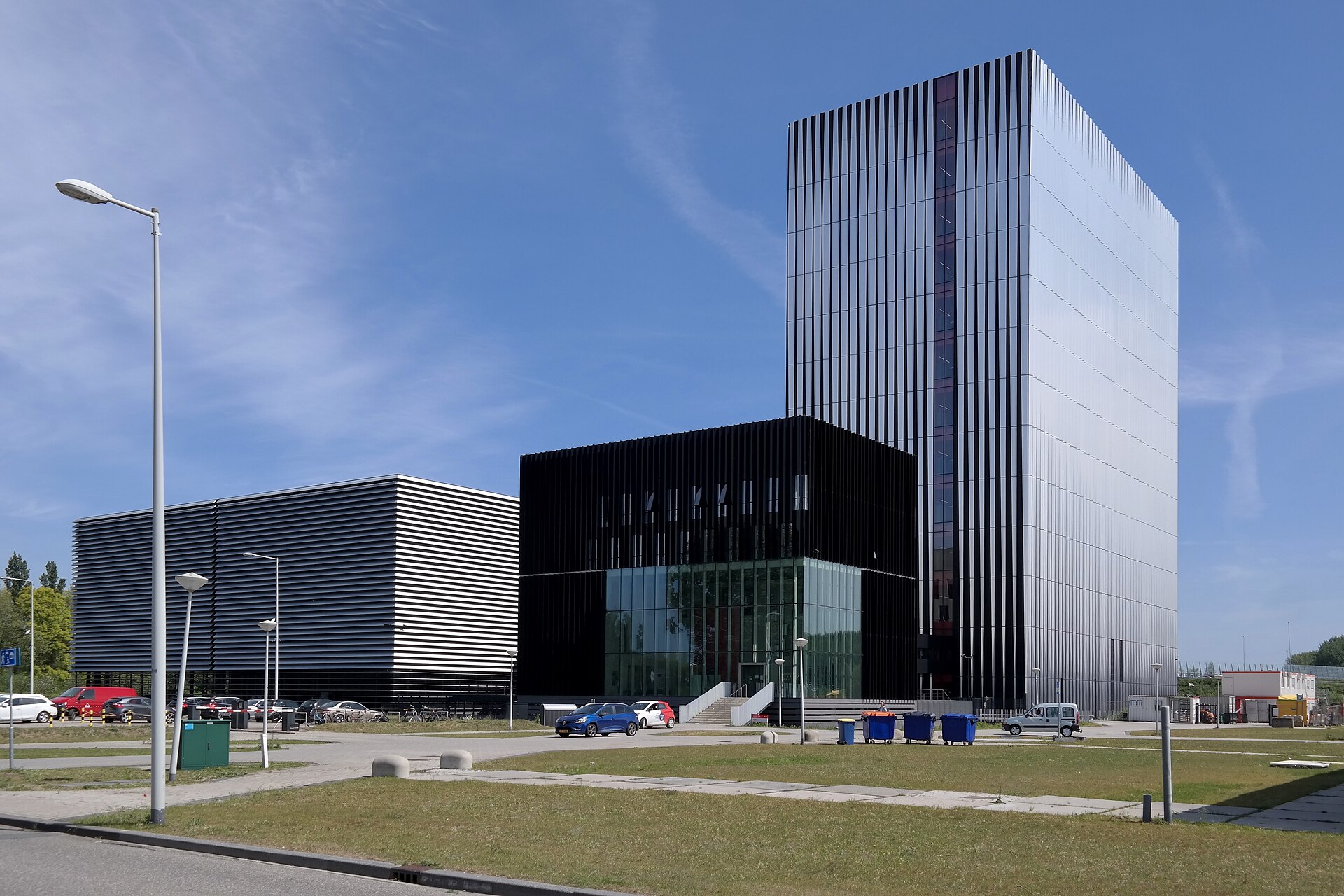
A rapid expansion of hyperscale datacenters across the United States has generated carbon dioxide emissions equivalent to the entire annual output of Denmark, according to new research published in Nature Sustainability. The study, which analyzed federal government data through April 2025, found that 403 facilities responsible for handling artificial intelligence workloads released approximately 25.7 million metric tons of CO2.
This figure represents roughly 1.8% of total US electricity consumption and is two to three times higher than previous estimates of hyperscale emissions from 2018. Researchers noted that the actual impact is likely even greater, as the construction of new facilities has accelerated significantly since the data collection period ended.
Hyperscale Growth Driven by AI Demand
The study identified Virginia, Oregon, Ohio, and Iowa as key hubs for these massive computing centers. Francesca Dominici, a biostatistics professor at Harvard University and co-author of the research, described the situation as an explosion in datacenter construction with substantial carbon consequences.
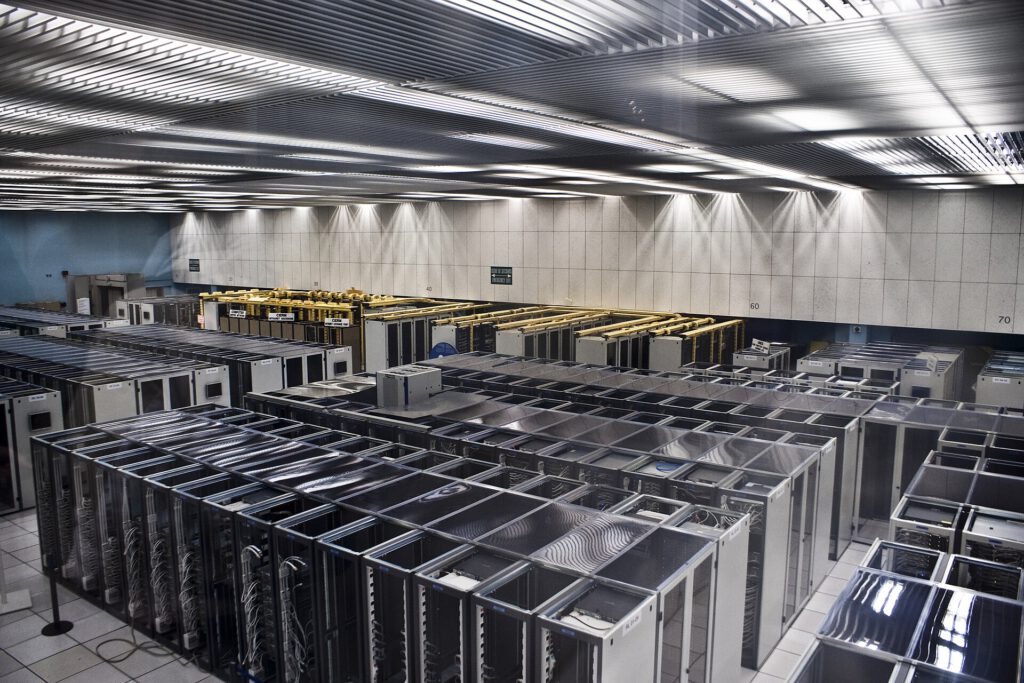
“Since 2025 there have been many, many more datacenters so we need to think of this level of emissions as a lower bound,” Dominici said. She emphasized that policymakers must consider how to manage this growth responsibly as the industry continues to expand.
Hyperscalers consumed between 68 and 99 terawatt-hours of electricity over the year. To meet this vast demand, more than half of the energy generated came from fossil fuels. The industry has increasingly favored new gas-fired power plants, sometimes built directly at datacenter sites, over renewable sources like solar and wind.
Health and Environmental Concerns
The reliance on dirty energy sources has sparked alarm among climate advocates and local communities. Gina McCarthy, a former climate adviser to the Biden administration, called the study an important step in assessing the environmental impact of these facilities, noting that the majority reliance on fossil fuels causes profound and lasting health impacts.
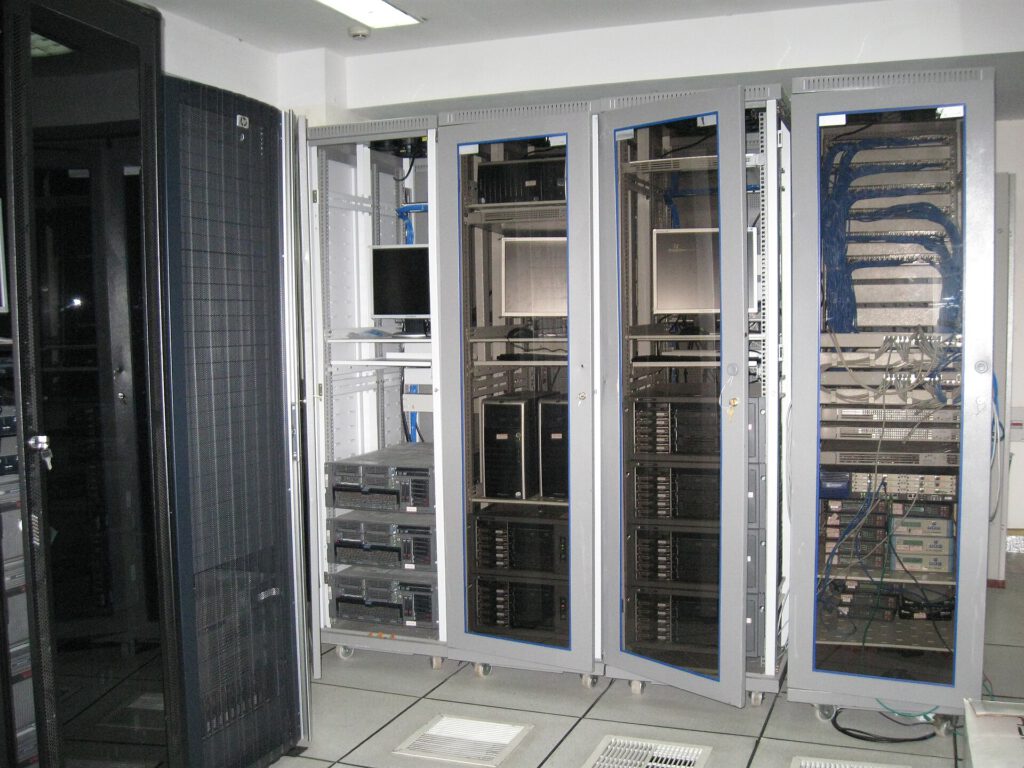
Public opposition to datacenter expansion is growing in several regions. In the greater Memphis, Tennessee, area, residents have protested and filed lawsuits against a cluster of facilities linked to Elon Musk’s AI ambitions, citing noise and air pollution. Musk’s company has responded by purchasing nearby homes.
Similar tensions are emerging in Utah over the Stratos datacenter project. A separate analysis commissioned by the Natural Resources Defense Council found that if Stratos uses the dirtiest fossil fuel options, it could cause up to $690 million in annual health-related economic costs. The facility would release up to 3,140 tons of particulate matter, linked to cardiovascular and respiratory issues, affecting communities in Utah, Idaho, Wyoming, Colorado, and Illinois.
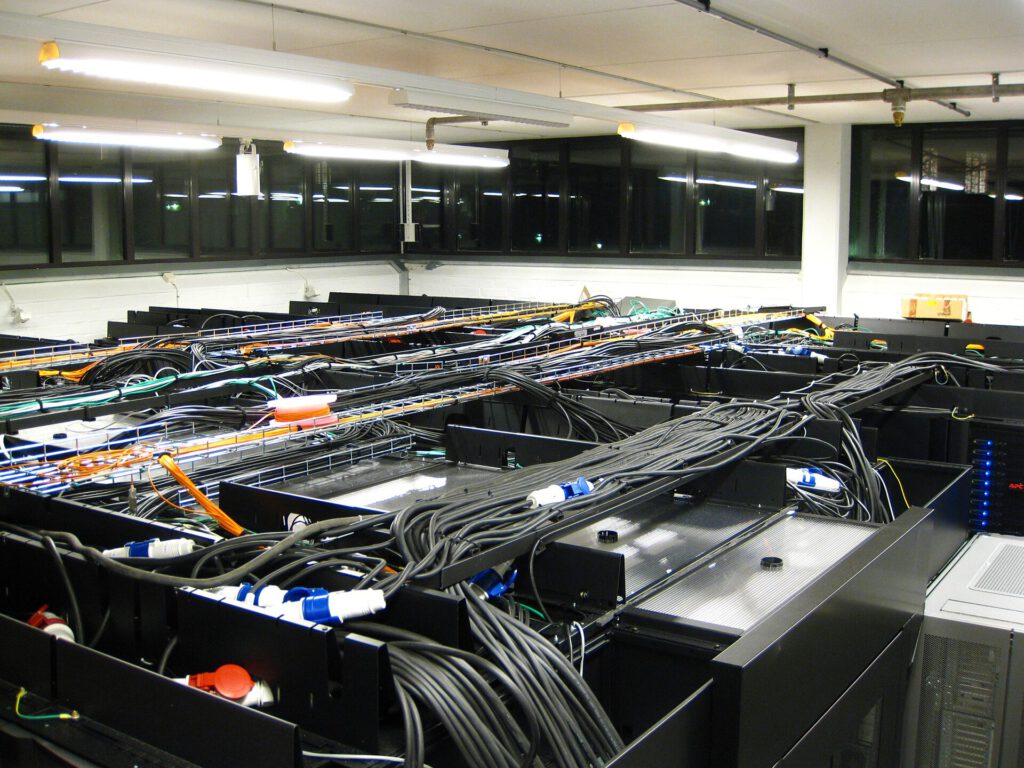
John Walke, director of federal clean air at the NRDC, described Stratos as a “modern-day Trojan horse” that would unleash deadly air pollution on downwind populations. While developers initially planned to use combined-cycle natural gas, they are reportedly considering renewable options amid political pressure to reduce the project’s scale. The developers recently filed a new water application claiming lower demands than historical agricultural uses, a claim critics have questioned.
Industry developers have defended their energy and water usage as marginal compared to sectors like agriculture, highlighting job creation and tax revenue as community benefits. However, the bipartisan backlash suggests that local concerns over environmental and health impacts are unlikely to diminish as the AI boom continues.
Source: The Guardian
