


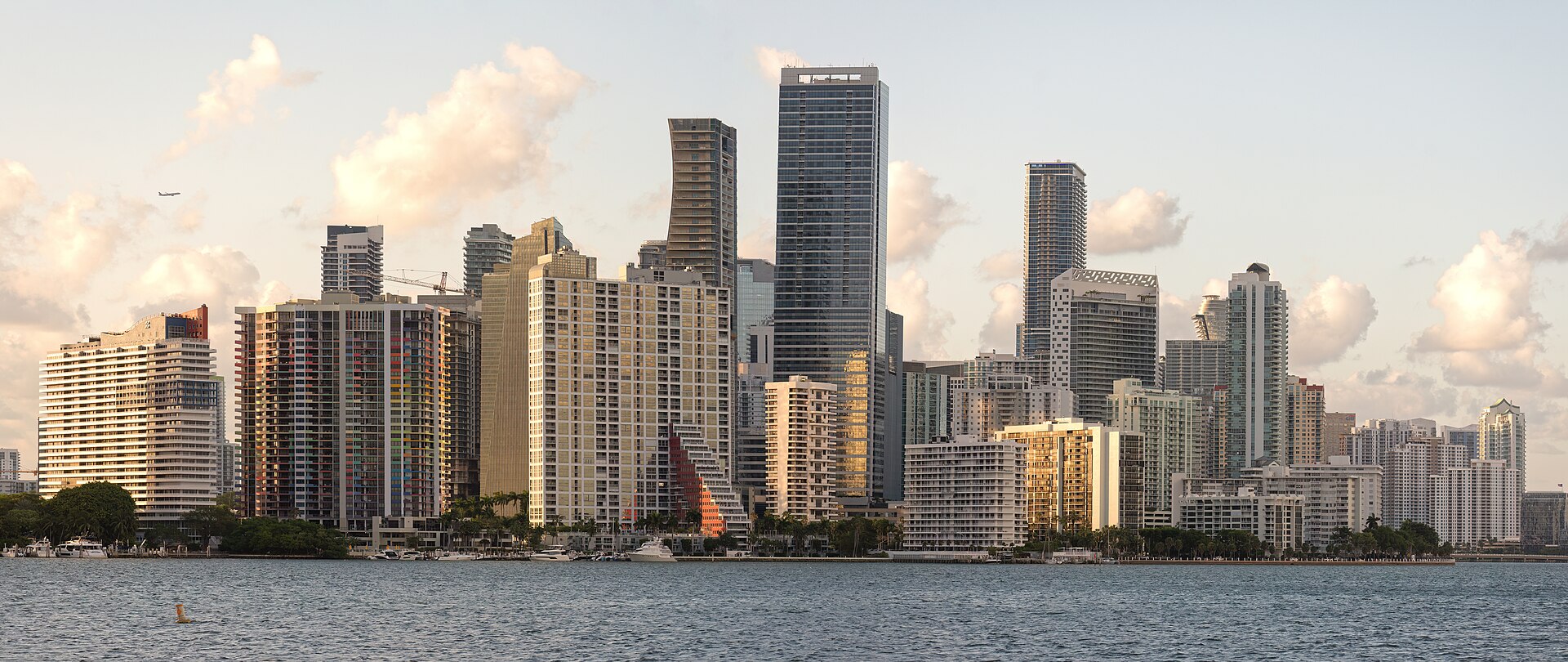
Recent industry reports have highlighted significant improvements in US mobile networks, citing faster download speeds and expanded 5G reach. However, a new analysis by Ookla suggests these gains do not translate well to indoor environments. The data indicates that major American cities struggle to provide reliable mobile coverage inside buildings, ranking alongside Oceania at the bottom for indoor 4G signal strength globally.
US Cities Rank Low in Indoor Coverage
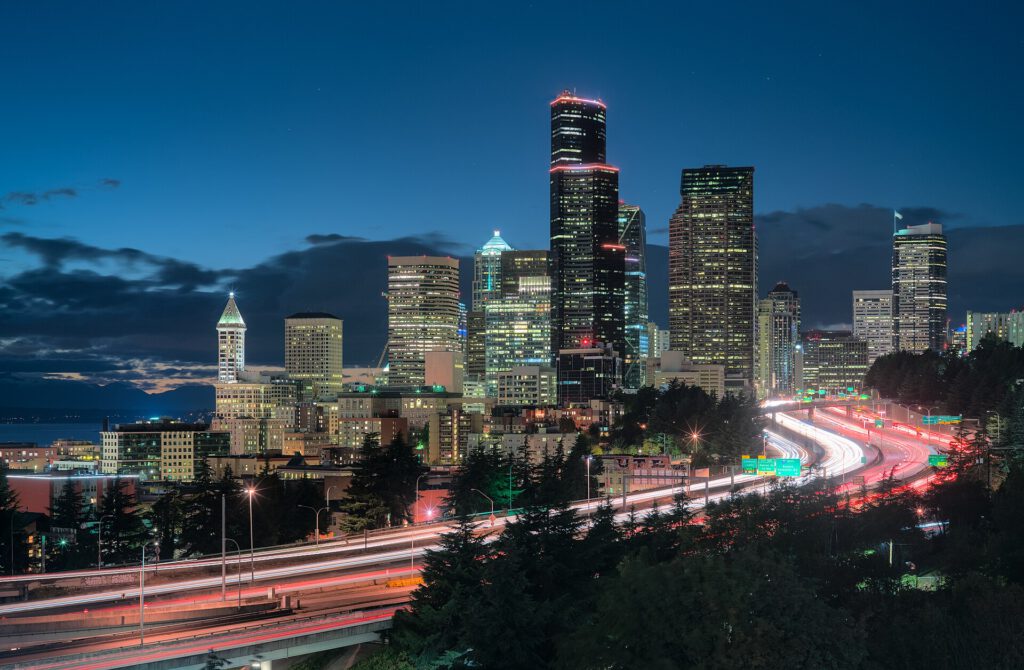
Ookla analyzed a year of mobile signal measurements across more than 100 cities in 60 countries. The results show that North America trails East Asia, the Middle East, Africa, and Latin America in delivering strong indoor signals. Miami recorded weak indoor coverage in 41% of measured buildings, followed closely by Seattle at 39%, Los Angeles at 38%, and San Jose at 37%.
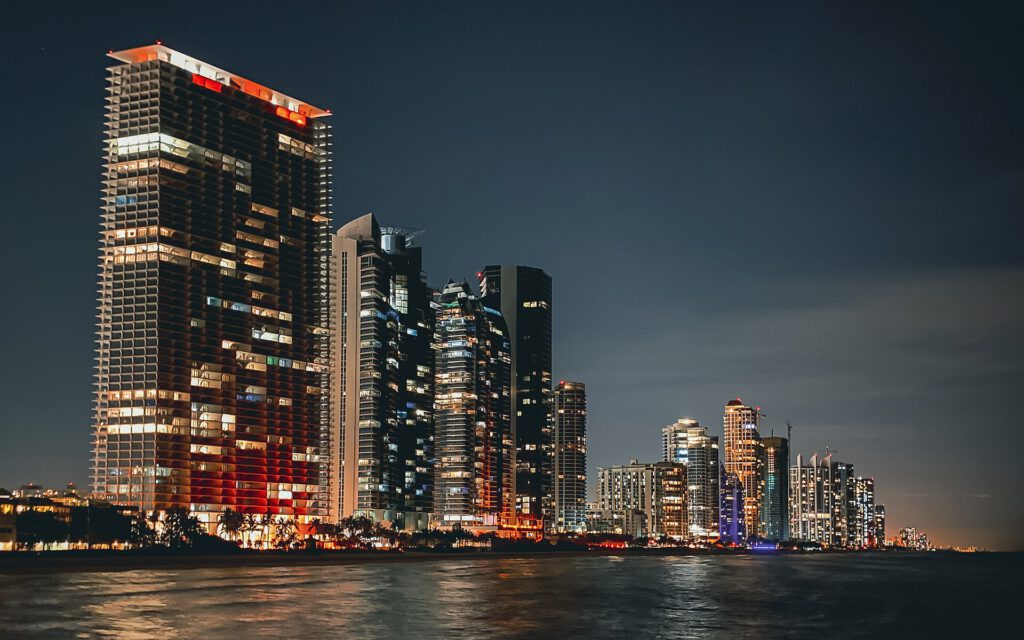
Even New York, which performed best among North American cities, still had unreliable indoor signal levels in 25% of measured buildings. For comparison, only 2% of buildings in Seoul, South Korea, fell into the same category of poor reception.
The issue is not necessarily the physical structure of American buildings. The report notes that North American cities experience some of the smallest drops in signal strength when moving indoors. Phoenix, for example, loses considerably less signal than Seoul when users enter a building. However, Seoul enjoys much better indoor reception because its outdoor coverage is significantly stronger to begin with.
Ookla found that approximately 85% of the gap in indoor signal strength between cities is determined by their outdoor coverage. This suggests that improving indoor reception often starts with strengthening the network outside.
Impact on Speeds and Potential Solutions
Weak signals have tangible consequences beyond missing bars on a phone screen. Ookla’s global 4G speed tests show that substantially weaker signals can cut download speeds by 65% and upload speeds by 87%. This helps explain the frustration users feel when trying to send large files or video from inside a building.
There is a clear path to improvement. Ookla found that large North American buildings with their own cellular equipment enjoy significantly better reception than those without. This improvement is considerably greater than in East Asia, where outdoor networks are already strong. This suggests that US carriers could make a noticeable difference by investing in dedicated equipment inside buildings such as hospitals, hotels, and shopping malls.
Other countries have already taken steps to address this issue. South Korea and Singapore require space in buildings for mobile network equipment and actively measure indoor coverage. The US model fire codes require new buildings to provide radio coverage for first responders, but there is no equivalent requirement for ordinary cell phone users. Given how much time people spend indoors, indoor mobile signal strength deserves as much attention as the coverage advertised on carrier maps.
Source: Android Authority
