


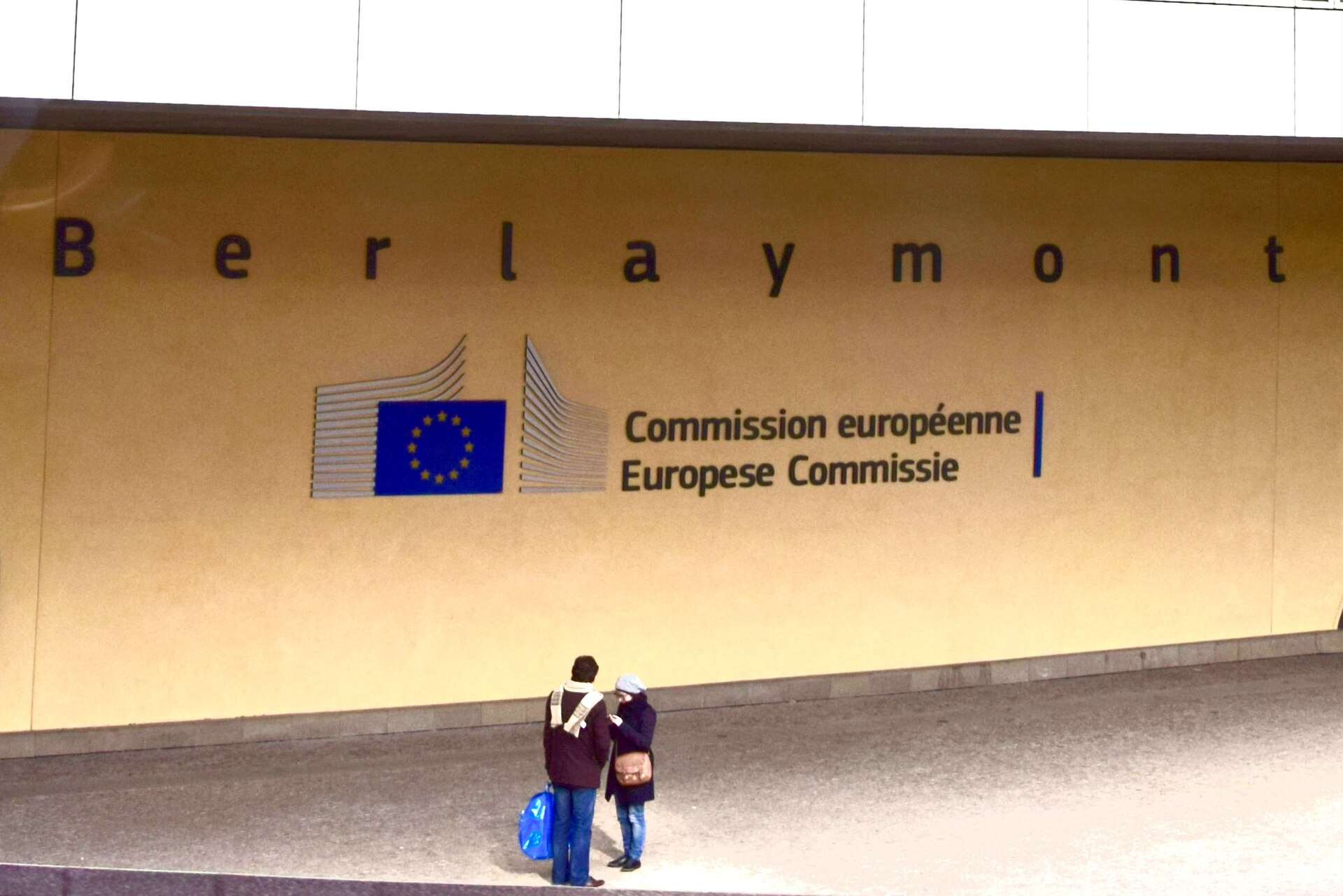
A leaked 72-paragraph second draft of the UK-EU relationship reset agreement indicates that negotiators have largely resolved their differences ahead of the expected formal signoff in Brussels on Friday. The document, which outlines the framework for the new partnership initiated under Prime Minister Keir Starmer, details specific terms on youth mobility, trade standards, and data sharing, while leaving several contentious issues for future negotiation.
Youth Mobility and Tuition Fee Disputes
The draft agreement proposes a scheme allowing citizens from the UK and the EU to reside in the other party’s territory for up to three years. Eligible activities include work, study, au pairing, volunteering, and travel. However, the implementation timeline remains a point of friction. The text states a goal to apply the agreement no later than 2028, with opportunities available to young people by January 2030. This delay acknowledges that work permits are controlled by national governments rather than the European Commission.
Negotiators have not yet settled on the number of places available under the scheme. The British government seeks to cap the program between 50,000 and 80,000 participants to manage overall migration figures. In contrast, the EU is advocating for at least 100,000 spots. Some EU member states, including Germany, have expressed openness to unlimited numbers for British citizens regardless of UK reciprocation.
Tuition fees for students also remain unresolved. The draft presents two options: significantly reduced undergraduate fees for EU students in the UK, or equal treatment with UK nationals. The latter would require a concession from the UK government, as Irish students already benefit from home fee status under a separate long-standing agreement.
Trade, Pets, and Artist Visas
Sanitary and phyto-sanitary (SPS) measures, which affect food imports and pet travel, are scheduled for implementation on 1 March 2028. This date allows time for the UK to pass primary legislation required to dynamically align with EU standards. Consequently, British travelers will continue to pay up to £200 for pet passports until that date. Yann Leriche, chief executive of Getlink, which owns the Eurotunnel, noted that approximately 15% of their customers travel with pets, making the delay significant for those passengers.

Trade tensions regarding electric vehicles persist. The EU has urged the UK to adopt similar trade defense measures, including quotas on Chinese hybrid-electric cars and tariffs on fully electric vehicles. The UK has refused to be coerced into these decisions but demands that British manufacturers are not excluded from upcoming Made in Europe legislation. Both sides agree on the need for protectionist measures in specific supply chains but have not agreed on the legal mechanisms to enforce them.
Artists touring between the UK and EU will also face continued bureaucratic hurdles. While Elton John and other musicians have long campaigned for a fix to the post-Brexit touring rules, the EU has resisted negotiation as work permits are a national matter. The draft text confirms that both sides will explore further mutually beneficial solutions for touring artists, marking a slight concession from previous vague language.
Data Sharing and Partnership Language
The agreement replaces the previous vague reference to a “trusted partnership” with a commitment to a “partnership for economic resilience.” This shift in language reflects a concession to the UK’s desire for a more concrete economic framework. However, access to EU databases for police cooperation remains a sticking point. The UK’s request for pre-Brexit levels of access was not granted on Friday.

Instead, the EU will explore granting the UK access to the Prüm International scheme for data exchange on police cooperation with third-country partners. The draft does not mention Eurodac, the database storing biometric data of asylum seekers. Diplomats indicate that sharing this data could be legally complex as it was not originally collected for law enforcement purposes. The EU will continue to explore ways to reinforce reciprocal exchanges of criminal record data for third-country nationals.
Source: The Guardian
