


US Secretary of State Marco Rubio has moved to calm public anxiety regarding a series of widespread technical failures, stating there is “zero” evidence that the disruptions are connected to malicious actors. The comments come after a cascade of outages affected Microsoft, major US banks, air traffic control systems, and the National Security Agency in recent days.
Rubio made the assurance while traveling with President Donald Trump for meetings in the Philippines. He emphasized that the incidents appear to be isolated technical issues rather than a coordinated attack.
“We have zero evidence or any reason to believe that any of these isolated or individual instances have anything to do with nefarious actors, with cyber hackers, with criminals, with another nation state, with a malign actor of any kind,” Rubio said.
Timeline of System Failures
The disruptions began on Thursday when Microsoft experienced a failure in its email and other productivity tools. The company traced the issue to an earlier network capacity upgrade, which paralyzed millions of workers relying on the software.
The following day, the US Federal Aviation Administration implemented a ground stop that grounded flights across the country. This was the longest such stoppage since the September 11 attacks. The FAA attributed the delay to a router upgrade.
By Monday, the financial sector faced significant hurdles. Customers reported difficulties accessing online accounts at several major banks and the Zelle money transfer service. JP Morgan Chase identified a software bug as the root cause, noting the issue was not cyber-related. The technical fault at Chase created ripple effects throughout the broader financial system.
United Airlines also reported an internal system outage on Monday that delayed departing flights. The airline stated it had resolved the issue by the end of the day.
Government and Industry Response
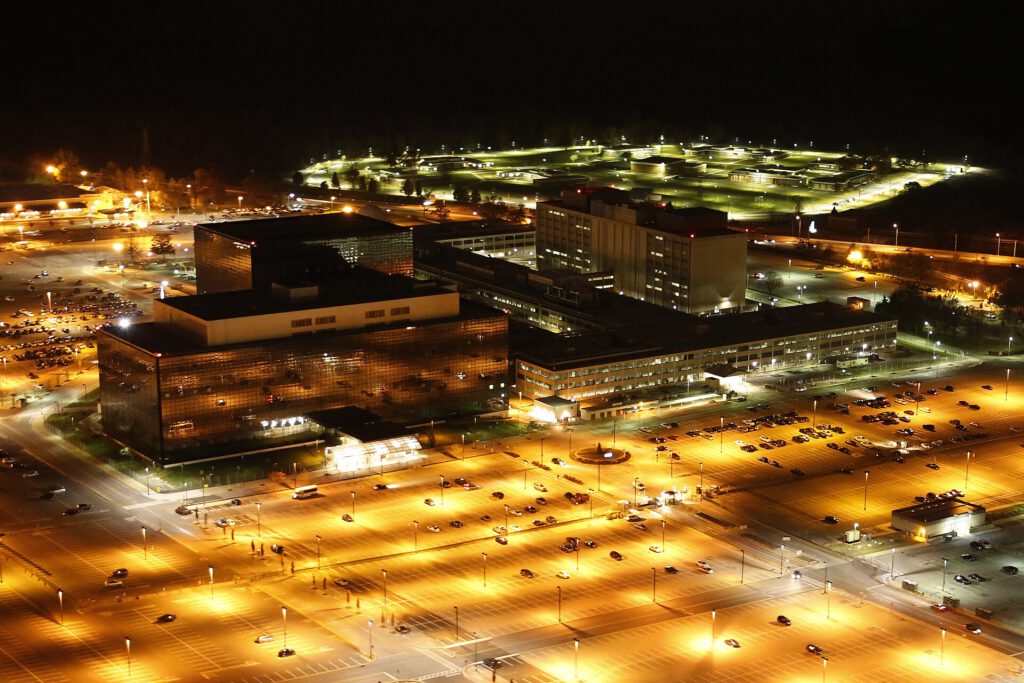
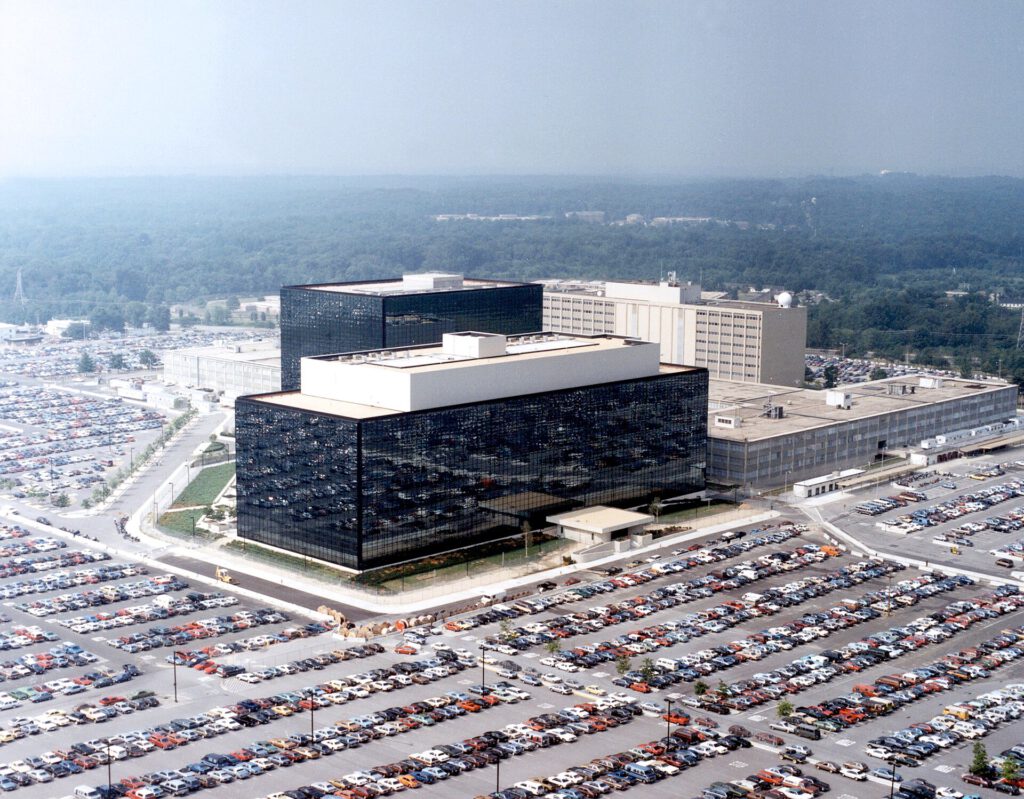
On Tuesday, the National Security Agency confirmed that an internal network used for classified communications was offline. The agency described the disruption as the result of routine maintenance.
Director of National Intelligence Jay Clayton addressed the situation in an interview, stating that the government is not viewing the events as a cyberattack. Clayton explained that the incidents likely resulted from security upgrades that took longer than planned or encountered unexpected hiccups.
Senate Intelligence Committee Chair Mark Warner, a Democrat, echoed this assessment. He noted there is no indication of foreign interference or a coordinated effort behind the outages.
Warner pointed to the role of artificial intelligence in identifying vulnerabilities across systems at unprecedented speeds. This rapid identification creates pressure on companies and government agencies to patch flaws immediately, often simultaneously. Warner argued this puts tremendous strain on infrastructure not built to handle such a pace of change, suggesting the evidence points to legitimate security efforts rather than malicious activity.
President Trump remained dismissive of the concerns when asked about the outages in Manila. “It’s life. When you’re big and powerful and have all the money, things like that happen. It’s fine,” Trump said.
Former White House Press Secretary Karoline Leavitt called for greater transparency from the administration. She praised Clayton for addressing the outages on Fox Business Network but insisted the White House needed to do more to explain the situation to the public.
Rubio is now traveling to Shenzhen, China, for the Asia-Pacific Economic Cooperation summit following his remarks in the Philippines.
Source: The Guardian
